Gold price today: Gold rate declined sharply on the MCX in intraday trade on Friday, January 30, on profit booking at higher levels, following a strong rise in the dollar index.
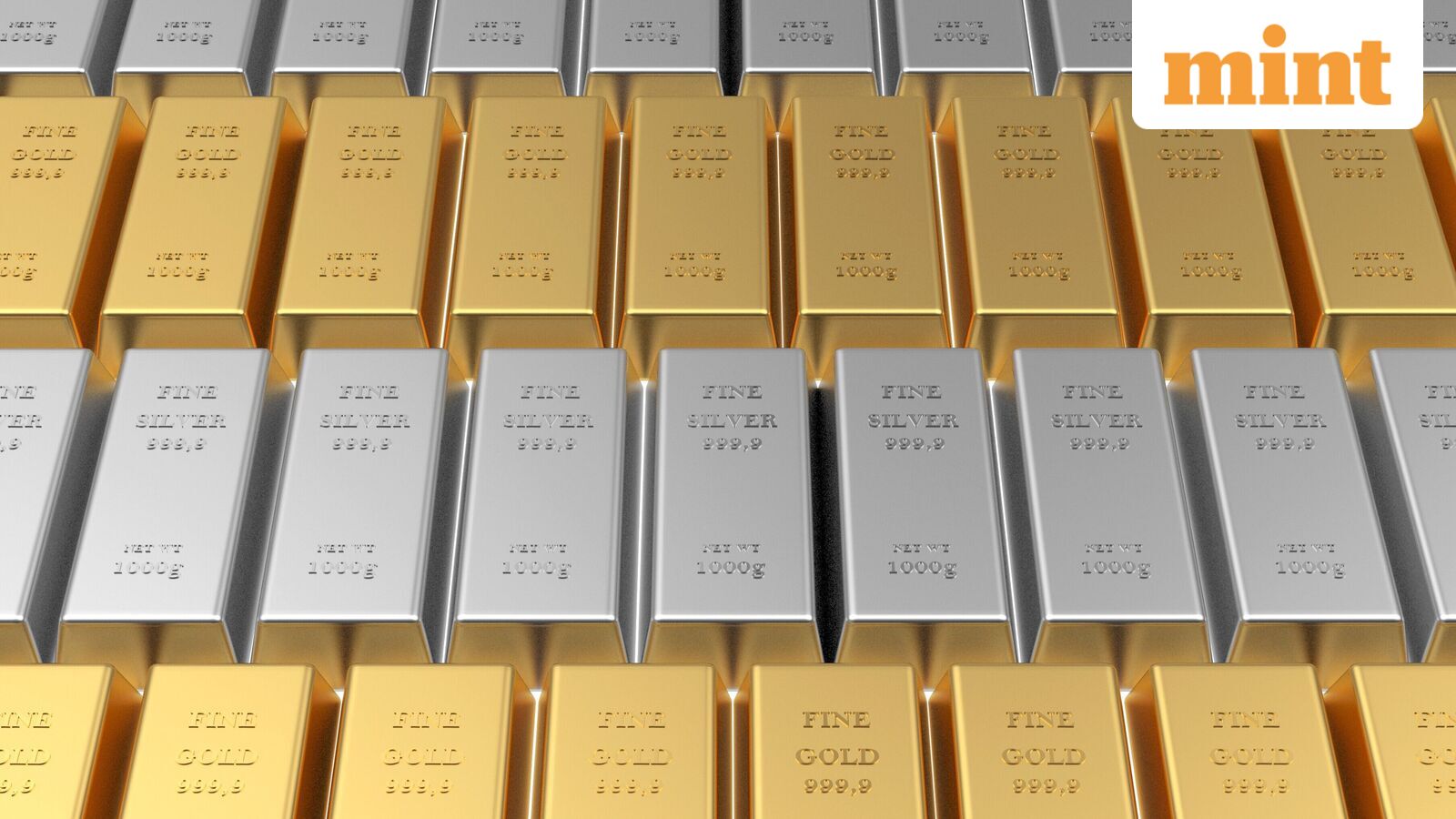
MCX gold February futures crashed by more than ₹13,000, or nearly 8%, to drop to the level of ₹1,56,200 per 10 grams, while MCX silver March futures plunged by nearly ₹48,000, or 12%, to fall to ₹3,51,906 per kg during the session.
Gold prices also eased in the international markets, pressured by the dollar’s rise. A strong dollar makes greenback-backed bullion expensive in other currencies, weighing on its demand.
The dollar index rose by almost 0.50%, after US President Donald Trump and Democrats on Thursday night (local time) struck a deal to avert a partial government shutdown. A status quo on interest rates by the US Federal Reserve also supported the dollar.
After clocking stellar gains last year, gold prices have risen more than 24% so far in January. According to Reuters, the yellow metal is set for a “sixth consecutive month of gains and the largest monthly advance since January 1980. On the other hand, silver prices have gained 62% so far this month, on track for their best-ever monthly performance.”
Experts say the sharp rises in the precious metal prices have exposed them to the risk of demand fatigue and sharp correction if there is a trigger.
While on the fundamental front, both metals have supportive drivers, in terms of rate cut expectations, geopolitical and geoeconomic uncertainties, and robust retail demand, in place, they may see some volatility due to intermittent profit booking.
“We expect gold and silver prices to remain volatile in today’s session amid volatility in the dollar index, ahead of the Indian Union Budget and geopolitical tensions,” said Manoj Kumar Jain of Prithvifinmart Commodity Research.
There are also apprehensions that a deep correction in the Indian stock market may trigger profit-taking in gold and silver prices, as investors may liquidate their positions and invest in equities trading at lower valuations.
“Silver remains a volatile metal, with historical annualised volatility often in the 25–35% range, higher than gold, and the sharp run-up increases the risk of near-term corrections,” Rajkumar Subramanian, Head – Product & Family Office, PL Wealth, noted.
“From an investment perspective, we recommend calibrated, staggered allocations rather than lump-sum deployment to manage entry-point risk while retaining exposure to silver’s longer-term structural drivers,” Subramanian said.
Check gold and silver live updates here
Disclaimer: This story is for educational purposes only. The views and recommendations expressed are those of individual analysts or broking firms, not Mint. We advise investors to consult with certified experts before making any investment decisions, as market conditions can change rapidly and circumstances may vary.
About The Author