Indian investors are increasingly awaiting this year’s Union Budget presentation as it lays down the roadmap for sectors that will be on the government’s radar for the next year, gives insights into its fiscal policies, and signals potential market-moving reforms.
Over several years now, the government has stuck to February 1 as the Budget date. This time, the date will fall on a Sunday, marking the first such Budget presentation since 1999. Last year, the Budget was presented by Finance Minister Niramala Sitharaman on a Saturday, and markets had opened for trading.
Investors are therefore curious whether the BSE and National Stock Exchange (NSE) be open or closed for trading on February 1 this year as well.
Stock market, commodity market open on February 1
According to the circulars shared by the stock exchanges, the Indian stock market is open on the Budget Day, February 1, for a special trading session. The regular trade timings from 9 am to 3.30 pm will be followed.
However, NSE clarified that T+0 settlement shall not be available due to a settlement holiday.
Not just the stock market, but the commodity market, too, will be open for trading in the morning session. According to an MCX circular, on account of the presentation of the Union Budget, a special live trading session will be held on Sunday, February 01, 2026.
The market timings shall be as follows:
Budget day strategy
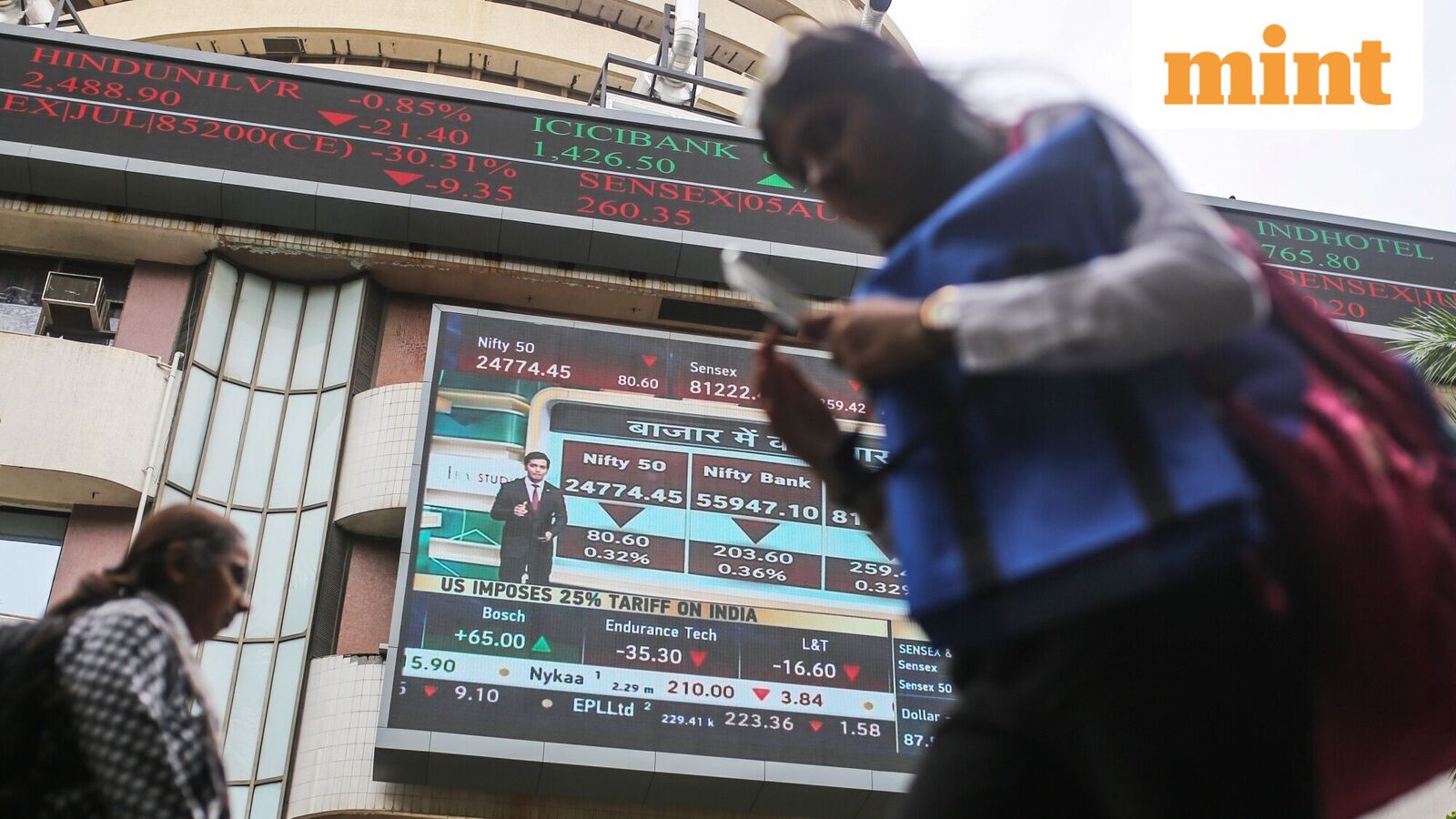
Ahead of the Union Budget, Indian stock market bulls have remained on the back foot with Sensex and Nifty 50 shedding over 3% this month alone. In Friday’s trading session, too, indices are trading with cuts.
Investors generally advise staying on the sidelines ahead of the mega event, as it is marked by high volatility. Looking at the past 25 years of February 1 Budget sessions, the Indian equity market moved more than 1% on 16 occasions, highlighting sharp swings in the market on Budget day.
Mayank Jain, Market Analyst, Share.Market (PhonePe Wealth), advised traders to best approach the Budget day with a capital-preservation mindset rather than a return-maximisation lens.
“With volatility peaking ahead of the speech and collapsing sharply thereafter, traders should focus on defined-risk option structures such as Iron Flies, Iron Condors, or credit spreads instead of naked option selling. These strategies are designed to capture the post-Budget IV (Implied Volatility) crush while capping downside risk in the event of sharp price gaps,” he recommended.
Additionally, given the tendency for bid-ask spreads to widen during the initial phase of the speech, many professional participants prefer to either trade hedged structures or wait for liquidity to normalise before taking exposure, Jain added.
Disclaimer: This story is for educational purposes only. The views and recommendations expressed are those of individual analysts or broking firms, not Mint. We advise investors to consult with certified experts before making any investment decisions.
About The Author