Finance Minister Nirmala Sitharaman is set to deliver her record ninth consecutive Budget speech today, 1 February 2026. This will be for the first time in recent history that the Union Budget will be presented on a Sunday.
Since coming to power in 2014, the Narendra Modi-led government has introduced several symbolic and structural changes to the presentation of India’s Union Budget, reflecting a broader push towards modernization, transparency, and administrative efficiency.
While the way the Budget is prepared and presented has evolved significantly over the past decade, its core purpose — outlining the government’s fiscal strategy — remains unchanged.
Change in Budget Date
One of the earliest reforms came in 2017, when the government advanced the Budget presentation from the last working day of February to February 1. Earlier, the Budget used to be presented at the end of the month, leaving little time for parliamentary approval before the new financial year began on April 1.
The new timeline allows ministries and departments to begin spending from the start of the financial year, improving policy implementation and avoiding delays in government expenditure.
Merging of the Railway Budget
In another landmark move, the government merged the Railway Budget with the Union Budget from 2017 onwards, ending a 92-year-old tradition. Introduced during the British era in 1924, the separate Railway Budget was often seen as leading to populist announcements rather than financially sustainable decisions.
The merger of the Railway Budget with the Union Budget aimed to bring greater fiscal discipline, enable better resource allocation, and integrate railways more closely with the government’s overall infrastructure and transport strategy, analysts said.
From Briefcase to ‘Bahi Khata’
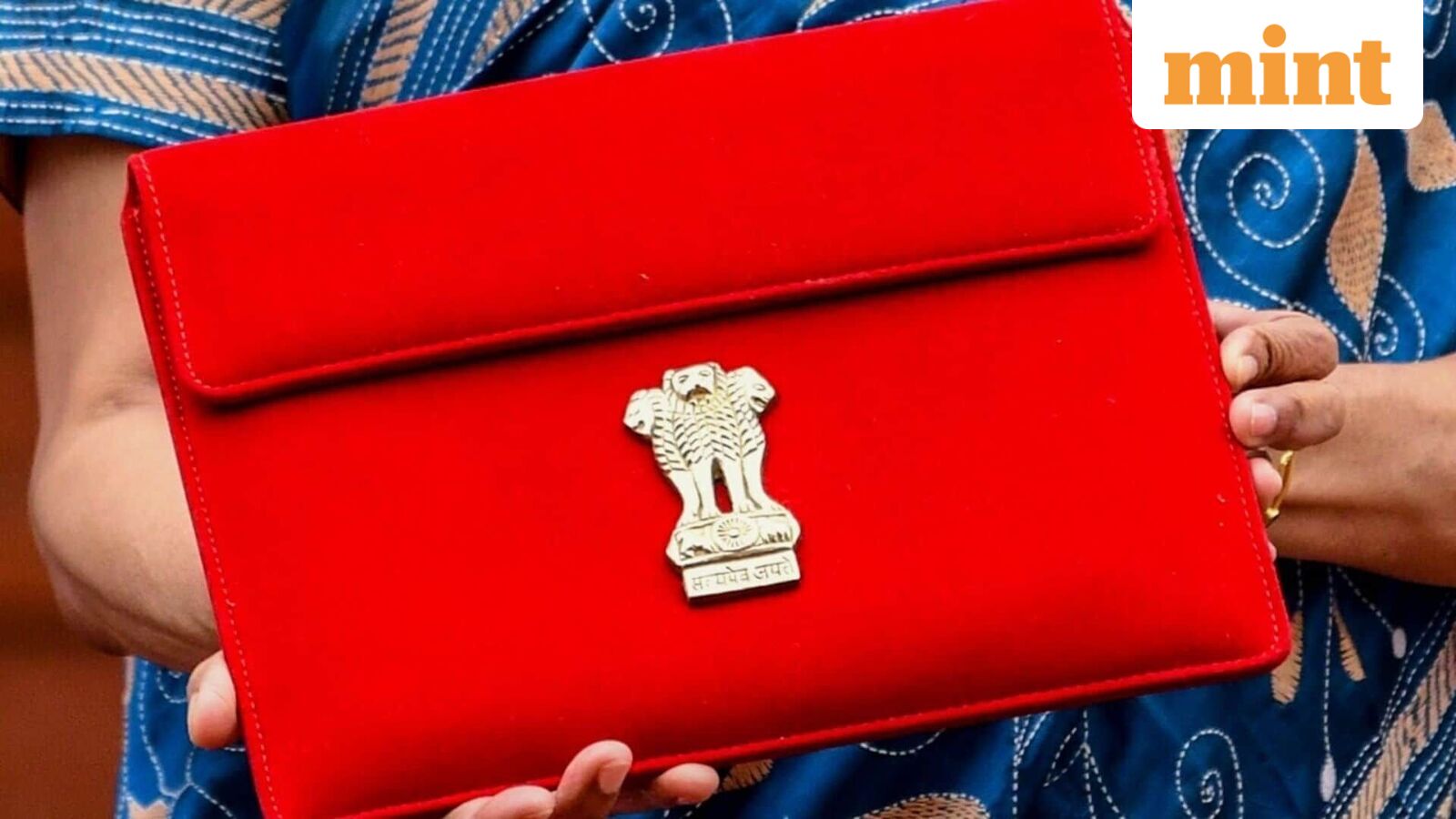
In 2019, Finance Minister Nirmala Sitharaman replaced the traditional leather briefcase used to carry Budget documents with a ‘bahi khata’, a red cloth-bound ledger commonly associated with Indian accounting practices. The move was widely interpreted as a break from colonial-era customs, bringing a strong Indian cultural shift to Budget symbolism.
From Paper to Tablet
Sitharaman further highlighted the transition to digital governance in 2021, when the Union Budget was presented in a paperless format for the first time. The finance minister carried a tablet wrapped in a ‘bahi khata’-style cover, signalling the government’s emphasis on technology-driven administration. Since then, Budget documents have been made available digitally, reducing paper use and improving public access.
Together, these changes underscore how the Modi government has reshaped not just the content but also the conduct and symbolism of India’s Union Budget, aligning fiscal governance with its broader vision of efficiency, reform, and digital transformation.
About The Author