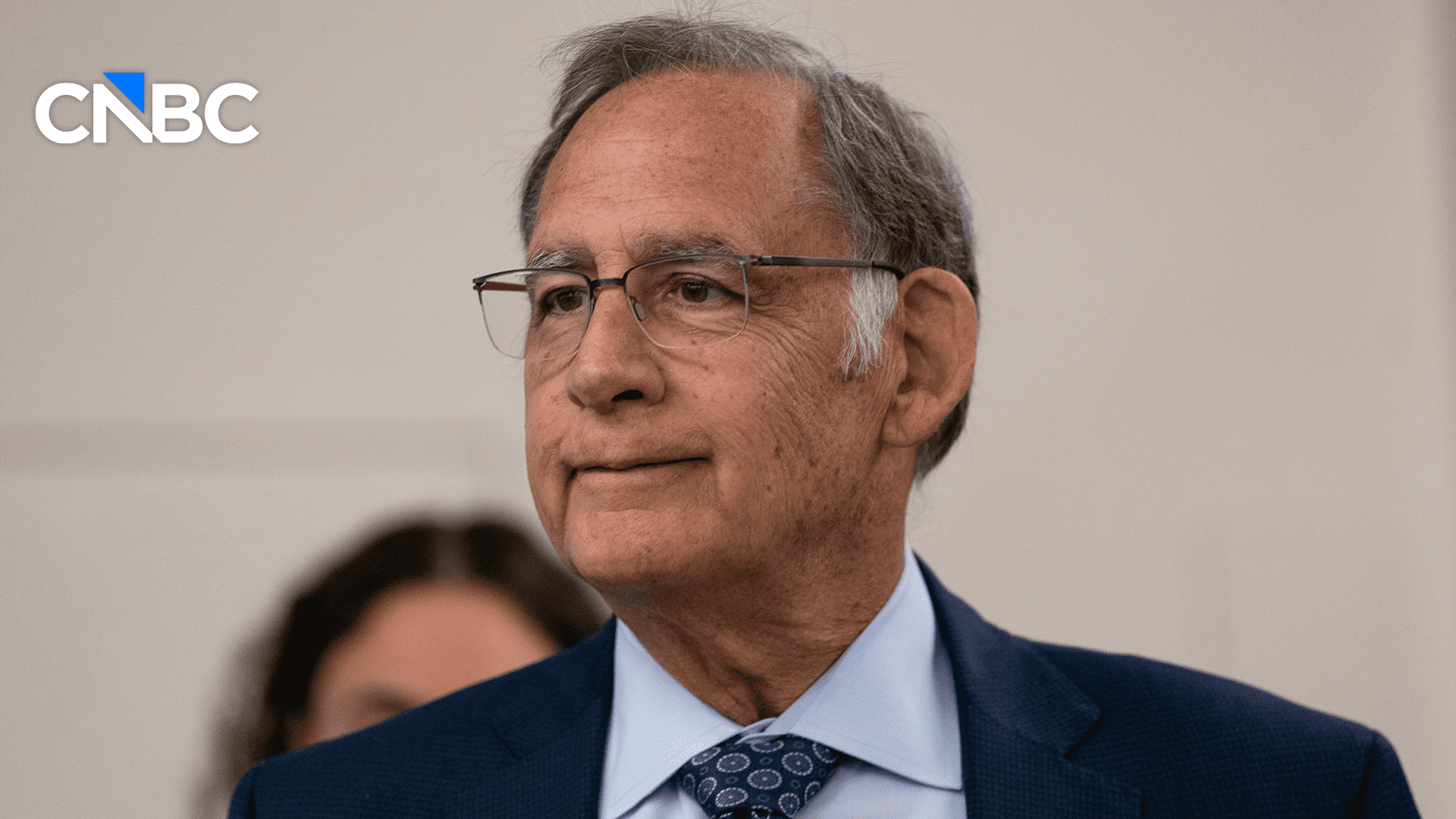

Senate Agriculture Committee ChairmanJohn Boozman, R-Ark., said he feels “very strongly” about reaching Senate agreement — likely this year — on a cryptocurrency market structure bill, even after Democrats backed out of supporting the version his committee advanced last week.
“Everybody is really working hard right now and I think getting it through a committee has kind of shown that we can make some momentum and that’s been a good thing,” Boozman said in an interview Tuesday with CNBC.
Boozman’s committee has been working to create a national regulatory structure under the Commodity Futures Trading Commission for the burgeoning industry. The next step would be the Senate Banking Committee approving its version of a crypto market structure bill. That committee’s hearing on the text was postponed from Jan. 15 at the last minute after opposition from the crypto industry.
The Republican senator had worked with Sen. Cory Booker, D-N.J., on a draft bill last year. Booker walked away from the version the Senate Agriculture Committee voted on, sayingduring the Jan. 29 hearing that the measure differed from the bipartisan version the committeelaid out in November.Booker’s office said the senator was not available for an interview.
At the hearing, Booker said Democratic concerns with the bill include the fact that PresidentDonald Trump“is grifting on crypto himself,” which he called “ridiculous.”
The White House did not respond to a request for comment about Democrats’ concerns. In past statements, a White House spokesperson told CNBC that “there are no conflicts of interest.”
During the hearing, Democrats offered amendments that would have included banning public officials –including the president – from engaging in the crypto industry, preventing scams linked to crypto ATMs and addressing involvement in digital commodities from foreign adversaries. Nonewereapproved.
TheAgriculture Committeevoted along party linesJan. 29to advanceits version of the bill.The legislation builds on the bipartisan CLARITYAct,the crypto market structure bill the House of Representatives passed last summer.

Boozman said negotiationsresumedimmediatelyfollowinghis committee’s hearing.
“We had our markup and literally haven’t missed a beat in regard to working with our Democratic colleagues to find solutions to these problems,” he said.
Boozman spoke to CNBC the same week as President Donald Trump‘s crypto advisor,PatrickWitt,led a meeting between the banking industry and crypto executives on how towork through points of contention in creating a crypto market structure bill.
Two crypto industry sources familiar with the meeting told CNBC the discussion mainly focused on whether digital asset companies should be allowed to offer users stablecoin rewards, something banks have opposed claiming the rewards are too similar to interest payments, which was banned in previous legislation. Theycame away feeling like some banks were not open to compromising on the issue. The sources spoke on condition of anonymity to describe the closed-door meeting on Monday.
One of the main reasonsCoinbaseCEO BrianArmstronghas said hecouldn’tsupport the Senate Banking Committee’s textwasdue to”draft amendments that would kill rewards on stablecoins, allowing banks to ban their competition.”
TheWhiteHouse gave those in attendance a deadlineto reacha compromiseon stablecoin yields before the month isover, the sourcestold CNBC.
FollowingMonday’s meeting, in a joint statement the banking participants saidtheir goal is to ensure legislation protects the safety of the financial system, adding that banks of all sizes will continue to help develop policy around digital assets.
BlockchainAssociationCEO SummerMersingersaid in a statementafter the meeting that it wasan”important step forward in finding solutions to deliver bipartisan digital asset market structure legislation.”
Boozman called the issue of stablecoin rewards “a significant contention” and said he thinks concerns from both the crypto and banking industries on this point are “legitimate.”
“I think thatwe’llfind a compromise on both sides,” Boozman said. “Itmight not be exactly whateither side wants, but the key is finding something that both sides can live withandthat’swhatwe’rereally working hard to do.”
CNBC’s Emily Wilkins contributed to this report.
About The Author