Gold and silver have been on a wild ride. How you can add exposure to the metals in your portfolio
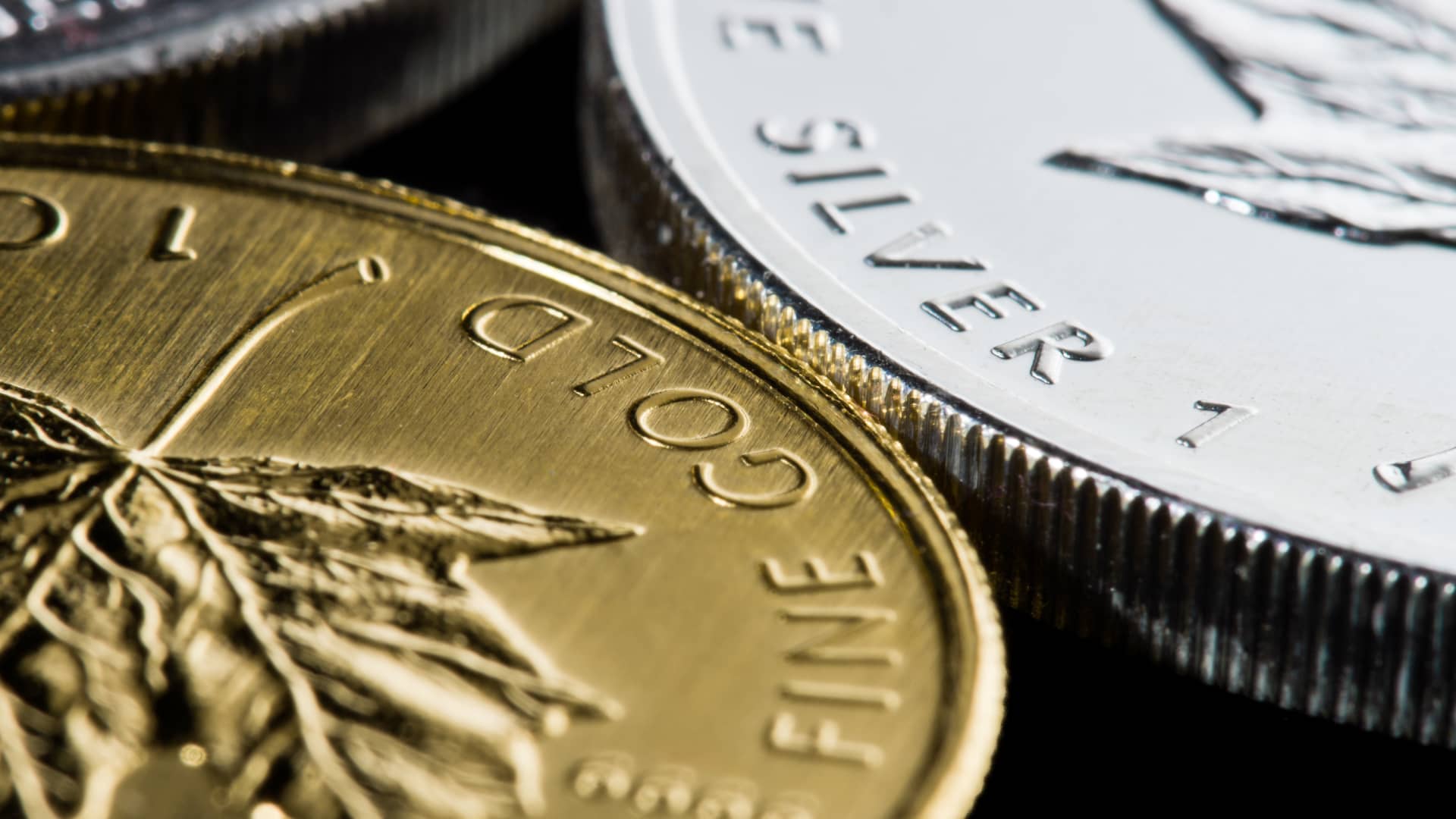
The 2026 rally in precious metals offers the prospect of tempting returns, but investors ought to proceed carefully before they go along for the ride. Gold futures are up more than 15% year to date, while silver futures have popped 10% — but the gains have come with plenty of turbulence. Both suffered their worst day since 1980 on Jan. 30, with contracts tied to gold losing 11% while those linked to silver plummeted 31%. Retail traders have piled into the silver trade , snapping up the iShares Silver Trust (SLV) even when it tanked in late January. SLV 1M mountain The iShares Silver Trust (SLV) in the past month Investors should know there is a right way and a wrong way to incorporate precious metals into their portfolio – and chasing the rally leaves them vulnerable to portfolio volatility and sharp losses. “Gold itself is a speculative asset, and silver is even more speculative – like gold on steroids with these recent price moves,” said Amy Arnott, portfolio strategist at Morningstar. In small amounts, however, precious metals may give some benefit to investors with a long-term point of view. Gold: an effective diversifier Gold has been growing more popular at a time when geopolitical shocks and inflation fears have haunted investors. The yellow metal has proven itself when times get turbulent, averaging a four-week return of 1.8% and a median return of 3% leading up to and during major geopolitical shocks from 1985 to 2024, according to an analysis by JPMorgan Private Bank . That compares to an average four-week decline of 1.6% for stocks and the 10-year U.S. Treasury, and a median slide of 1.9% for both, the bank found. “I think if you’re looking for diversification, you could still make a case for a small position in gold, given it has such a low correlation with stocks and bonds,” said Arnott. She recommended an exposure of around 3% to capture those benefits. Silver, however, isn’t as beneficial, especially given its propensity for sharp price swings, according to the portfolio strategist. “I don’t think silver is going to improve risk-adjusted returns in the context of a diversified portfolio,” Arnott said. Structuring the exposure The market for playing precious metals is wide, allowing investors to play it via mining stocks, as well as the ETFs that hold the physical assets and those that hold futures contracts. How you choose to get exposure to the metals will affect the risk profile of your portfolio. “Depending on a client’s overall structure, [gold and silver ETFs] can live in the alternatives sleeve, the equity sleeve or occasionally as a small speculative allocation,” said Jay Spector, certified financial planner at EverVest Financial in Scottsdale, Arizona. Using mining stocks to get in on the gold rush can sometimes bring more volatility than the metals themselves, he said. “The miners are a play on the equity and future earnings of those companies,” Spector added. On the other hand, ETFs with exposure to futures contracts bring another risk to the table. “If you have exposure [to gold] through futures, you can have this contango problem,” Arnott said. “The futures price could be higher than the spot price, which can have a negative impact on returns.” Instead, using ETFs that directly hold the underlying metal is the most direct path. “Having exposure to physical gold through the ETF is the most straightforward way to use gold in your portfolio,” Arnott said. “The advantage of that is the price is going to be directly linked to the price of gold.” Tax consequences Be aware that even as you hold a precious metals ETF, its tax treatment may not be the same as what you would see in a plain-vanilla equity ETF. If an investor sells a commodities ETF and its holdings include physical assets, she may be on the hook for a long-term capital gains rate of 28% if the fund is sold after one year. That rate is the same one that applies to collectibles, including physical bars of silver and gold. If you sold any other asset after more than a year, you’d be subject to a capital gains rate of 0%, 15% or 20%, depending on your income and tax bracket. Funds holding futures contracts may come with even more complexity, as they can be structured as partnerships. That means investors will receive a Schedule K-1 at tax time, which will break down their share of partnership income and losses. In addition to the added complexity of K-1s, whose income is reported separately, investors can’t submit their tax returns until they get their K-1s from the partnership sponsors. Since those forms might not show up until late spring, taxpayers may end up facing filing delays. As a result, the decision around adding precious metals exposure goes beyond chasing the rally, and investors should weigh a multitude of factors before they jump in. “Investors have to be honest with themselves: Are they following a fad off a cliff, or will they pay attention to what their heart and head say about the overall plan, stick with that and not be fascinated by an up green arrow for six days straight,” said Spector.