Jose Luis Pelaez Inc. | Blend Images | Getty Images
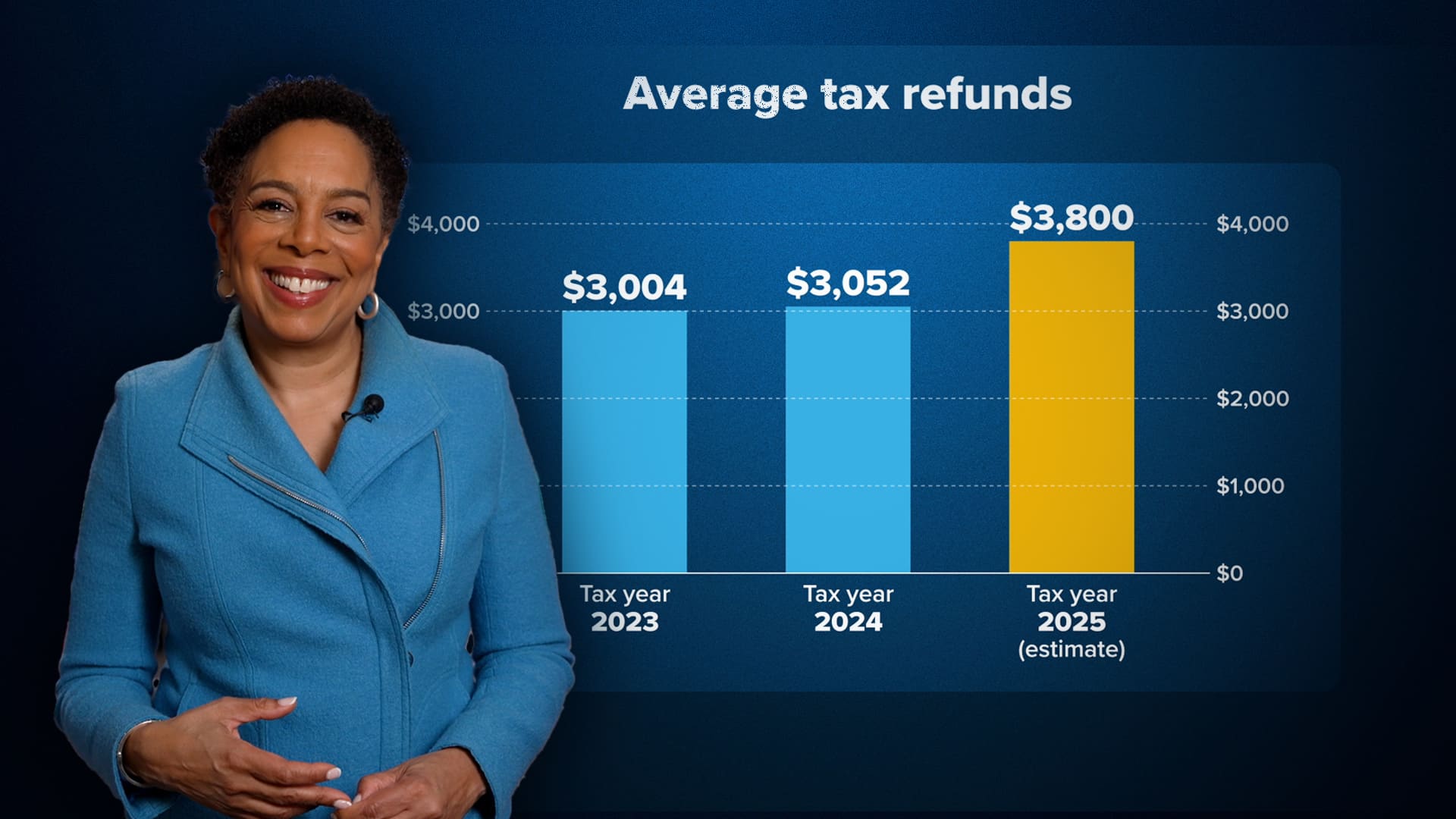
Theaverage tax refundis 14.2% higher so far this season, compared to about the same period in 2025, according to early IRS filing data.
As of Feb. 13, the average refund amount for individual filers was $2,476, up from $2,169 about one year prior, the IRS reported on Friday. The data is cumulative from the Jan. 26 tax season opening.
The total amount refunded was about $32 billion, up 8.3% from 2025, according to the IRS release. However, the total filings received was down by 2.6%.
As the midterm elections get closer, the Trump administration and Congressional Republicans have been laser-focused on how Trump’s “big beautiful bill” may impact the size of tax refunds this season.
In a Truth Social post on Tuesday, Trump said tax refunds are “substantially greater than ever before.”
“In some cases, estimates are that over 20% will be returned to the Taxpayer,” he wrote. It’s unclear which estimates Trump was referencing. The White House did not respond to CNBC’s request for clarification.
A few days earlier, on Feb. 13, Treasury Secretary and acting IRS Commissioner Scott Bessent told CNBC’s “Squawk Box” the average tax refund was 22% higher so far this season. It wasn’t clear how many days of returns Bessent’s figure included or what comparison period he used. But his figure was significantly higher than the average refund increase of 10.9% the IRS announced later that day.
The Treasury has not responded to CNBC’s requests for comment.
Why average tax refunds could increase
“So far, refunds are up, which is consistent with our and the Trump administration’s expectations heading into the filing season,” Andrew Lautz, director of tax policy for the Bipartisan Policy Center, a nonprofit think tank, told CNBC.
But there’s still not enough filing data to support conclusions about filing season trends, he said.
Typically, the average refund size increases starting around mid-February once payments include theearned income tax creditor additionalchild tax credit, the IRS said in its first filing season statistics release on Feb. 13.
Those numbers could be reflected in the agency’s filing data through Feb. 20, which the IRS will release on Feb. 27.

About The Author