Looming copper shortage as tariff fears and mine disruptions fuel tightness
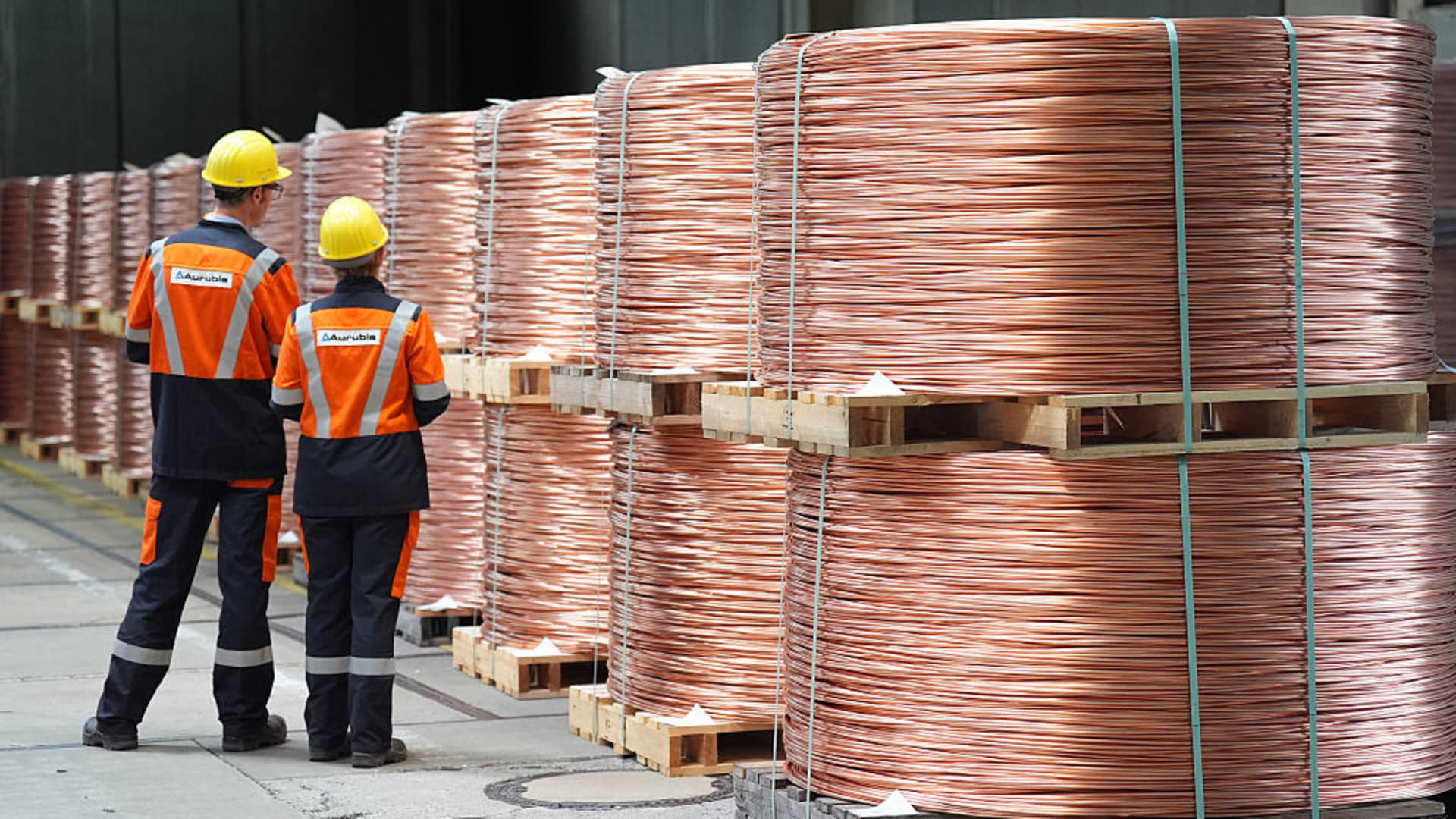
A substantial copper shortage is looming, as fears around U.S. tariffs on imports and mining disruptions continue to tighten supply in the near term. The red metal is projected to face a 10 million metric ton supply deficit by 2040, while demand is expected to surge to 42 million metric tons, up 50% from current levels, according to a January study by S & P Global . Meanwhile, ING forecasted a 600,000-kiloton refined copper shortage in 2026, following a deficit of 200,000 kilotons in 2025, driven by existing supply constraints in the market. Shortages caused copper prices to soar in 2025, with front-month U.S. copper futures on the COMEX rising over 41% the previous year, its biggest increase since 2009, when the contract jumped 138%. It’s up nearly 2% so far this year. Copper, often seen as a bellwether for the global economy, is central to electrification and widely used in power grids, renewable energy systems, and electric vehicles. Construction is another major source of demand, particularly for electrical wiring in homes and industrial complexes. The AI boom is also boosting demand for copper as data centers built to train and deploy AI models depend on the metal for power grids, cooling systems, and networking gear in those facilities. “So as economies develop, they require more infrastructure, and more infrastructure requires more energy, and more energy requires more copper consumption,” Charles Cooper, head of copper research at Wood Mackenzie, told CNBC in an interview. Here’s what’s driving the copper shortage right now, according to commodities experts. Mine supply disruptions Mining disruptions were largely responsible for the copper shortage in 2025, with ripple effects expected to last in the upcoming years. “Last year, the industry was beset by a number of big challenges… three of the biggest mines in the world went offline for a period,” Wood Mackenzie’s Cooper said. This includes the Kamoa Kakula mine , one of the top global producers of copper based in Congo, which saw major flooding in the first half of 2025, resulting in a downward revision of production for 2026 and 2027. Meanwhile, Codelco’s El Teniente Mine, the world’s largest underground copper mine, had a fatal tunnel collapse in June last year. El Teniente’s general manager, Claudio Sougarret,recently said production will be depressed for the next five years as a result of the accident. Indonesia’s Grasberg Mine also had a fatal mudslide in September, which led to a 35% reduction in 2026 production forecasts with operations projected to return to normal by 2027. Wood Mackenzie estimates that mines get 5% disruptions every year , but the typical disruption increased last year, Cooper said. As a result, a large portion of the new copper supply that was expected to plug the growing deficit was significantly disrupted and “deferred into future years.” Additionally, building new mines is a long and arduous process, with S & P Global noting it takes 17 years on average for a new copper mine to go from discovery to production. Tariffs driving ‘artificial tightness’ A temporary shortage is also being driven by tariff fears, after the U.S. implemented 50% tariffs on semi-finished copper products such as pipes, wires, and fittings in July 2025. While raw copper, such as ores, cathodes, and scraps, was exempt from duties, concerns around the potential of broader tariffs led to heavy stockpiling in the U.S, especially as many manufacturers buy semi-finished products anyway. “So you see all this material piling up in the U.S. warehouses, but that means that supply outside the U.S. is really tight, and that’s really leaving very little room to absorb the supply shocks for the market,” Ewa Manthey, a commodities strategist at ING, told CNBC. “It’s like an artificial tightness right now in the markets because you have all this material in the U.S., but not enough outside of the U.S.,” Manthey added. Although the U.S. Supreme Court struck down a huge chunk of President Donald Trump’s sweeping tariffs in March, sector-specific tariffs on metals remain in place. The ongoing uncertainty regarding the levies will continue to cause a “risk premium” for copper prices, according to Manthey. “Material that has already moved into the U.S. is unlikely to be released back into the global system, because sector-specific tariffs remain in place and trade policy is still unpredictable,” she added.