The auto industry keeps getting hit by supply constraints at a time when it is making some of the biggest transitions in its more than century-long history.
The war in Iran could be just the latest of those issues. Though the region is not a major maker of automotive parts, it does produce key resources such as oil and aluminum.
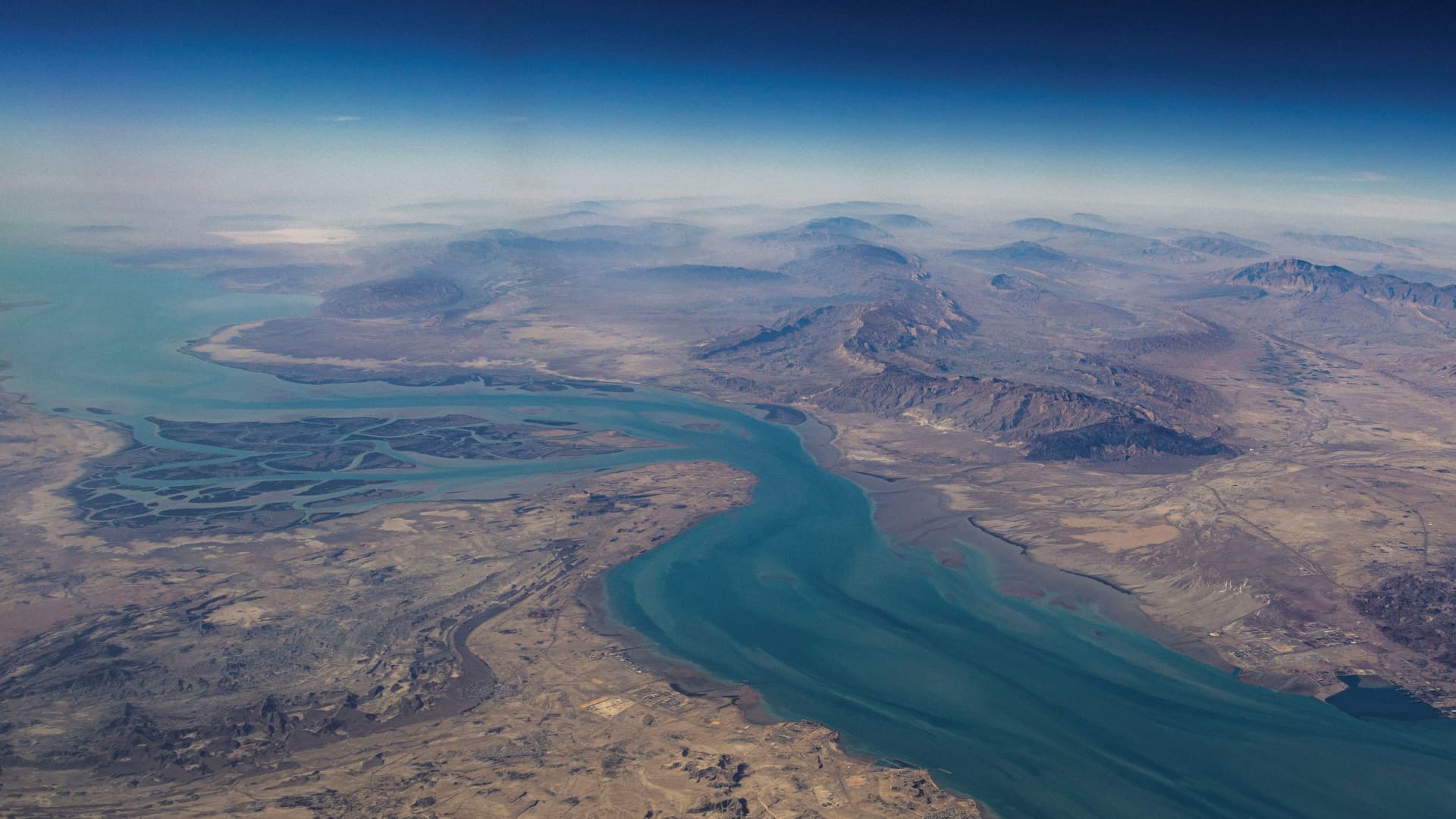
About 20% of the world’s oil travels through the Strait of Hormuz, according to the U.S. Energy Information Administration, a major shipping artery that is bordered on two sides by Iran and Oman.
Oil prices surged above $100 a barrel on Monday with concerns about supply as the war continues. Drivers are already paying more at the pump. Gas in Iowa, for example, is now above $3 per gallon, according to GasBuddy analyst Patrick De Haan.
That’s still a ways from the peak prices hit in 2022, De Haan said. But there have been two 12 cent increases nationwide in the past two weeks. That’s two of the largest single day increases going back to 2005 in terms of nominal increase in cents per gallon, according to GasBuddy.
“I think it’s the pace of the increases this week that’s really catching Americans off guard, and that might be making them feel a little bit nauseous about the prospect of driving, getting out, road trips,” De Haan said.
Diesel and jet fuel prices are rising as well, which puts pressure on shipping and freight, he added.
High oil prices stand to drive up the cost of petrochemicals, which is what plastics are made of. Some estimate that about 30% of the parts on a car are plastic.
“It’s not just raw crude coming out [of the Strait],” said Dan Hearsch, managing director at AlixPartners. “There’s a lot of refining capacity. So ethylene, propylene, a lot of the aromatics, also ship out of that region. Those are not ports that are well connected over land. So it’s kind of by ship or by not.”
That region is also a large producer of aluminum, particularly in Bahrain and the United Arab Emirates. Like plastic, aluminum has become an increasingly important material for car manufacturers, in part because it is lighter than steel. Lightweighting vehicles is a top priority for automakers trying to improve fuel efficiency or offset battery weight in electric vehicles and hybrids.
Bahrain and the United Arab Emirates account for 9% of the world’s total aluminum smelting, according other AlixPartners. The U.S. imports between 80% and 90% of its aluminum, and about 20% of it comes from the Gulf.
The concern for automakers and suppliers is that even though the region is not a large producer of auto parts per se, it could be a chokepoint for key materials that form those parts.
Duncan Wood, a visiting fellow at the Washington, D.C.-based think tank Wilson Center, said there are reasons to think these high prices won’t last, and that oil will not rise to $200 per barrel, as some have speculated.
“Although the Strait of Hormuz is responsible for so much of the traffic, you will see other countries beginning to boost production,” he said. “That will help. You’ve already seen the Saudis trying to move some of their production away from that channel to other outlets to world economies. Probably the Russians will try to replace a lot of the Iranian oil in the Chinese market.”
But for the auto industry, a further step back reveals a larger and troubling pattern: repeated global shortages the industry doesn’t have a playbook for. The pandemic brought raw materials shortages, a microchip deficit and oil spikes, while the Ukraine war cut off an important source of wire harnesses — a key component in cars.
“Since Covid, some very fundamental things seem to have broken,” Hearsch said.
Meanwhile, geopolitical tensions are rising. A second chip shortage erupted in 2025 when the Netherlands-based chipmaker Nexperia found itself at the center of a trade standoff between the European Union, the U.S. and China.
“What you had was years, even decades of, of really relative stability,” he said. “The global supply chain, the world is flat. All of this was was pretty stable. The disruptions were kind of long cycle and everybody was interested in cooperating.”
Automakers are facing the fallout from conflict in Iran while already paying out billions in tariff costs due to trade disputes.
These disruptions are stretching the industry’s resources at a time when it is trying to enact two fundamental and interrelated transitions: making profitable electric vehicles and rolling out new hardware and software.
“It’s not just perception,” Hearsch said. “It’s not just how it feels. These things are continually disruptive. There’s no silver bullet for predicting or dealing with all of these crises, because they each have some unique thing that you would have to do differently. That’s what we’re experiencing.”
About The Author