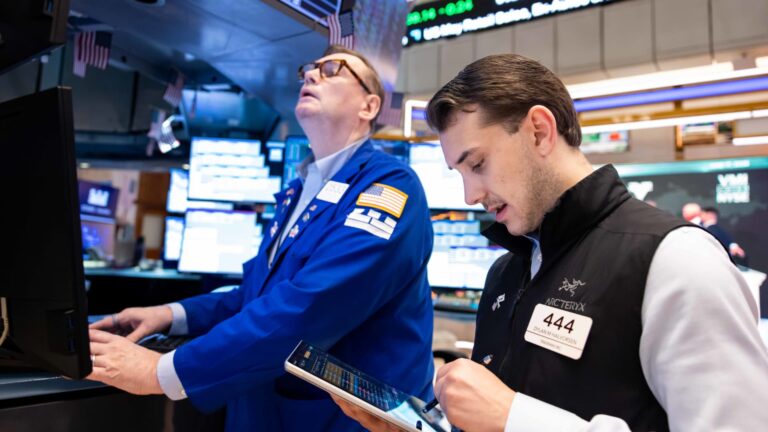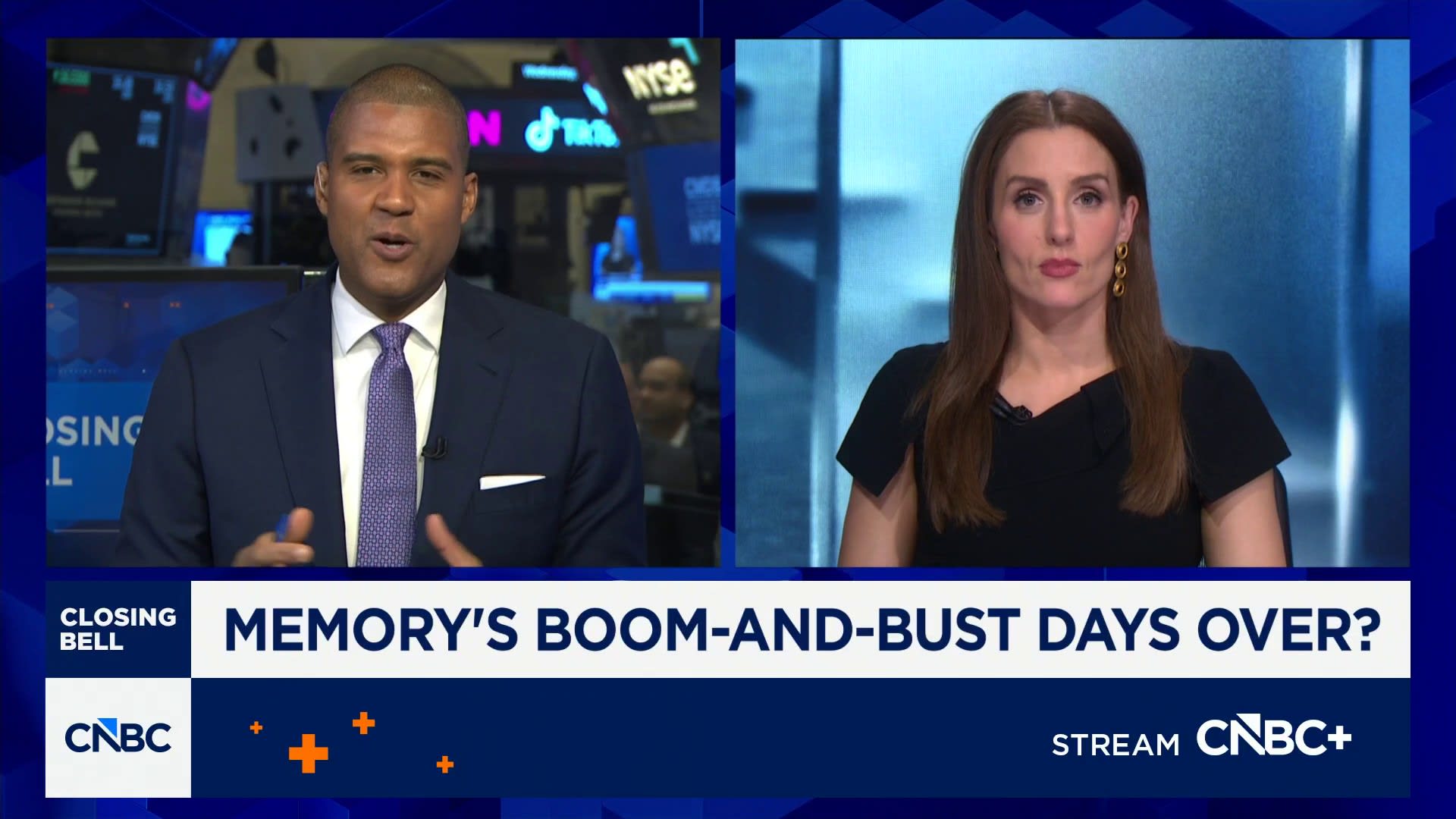

The artificial intelligence spending blitz has the memory industry dancing to a new tune.
Shares of Micron are up more than 370% over the past year, while Sandisk, which only listed in February of last year, is up more than 1100%.
For decades, memory stocks were stuck in a trader’s game, a boom-bust-repeat pattern, but executives now say that AI has structurally broken the old cycle, and prices are showing no signs of coming down.
“We will continue to raise prices because the industry will continue to raise prices,” HPE CEO Antonio Neri told CNBC. “There is not enough supply for demand.”
An executive at hard drive maker Seagate told the South China Morning Post on Tuesday that memory price hikes are likely to become “the new normal” for the next few years.
South Korea’s SK Hynix, one of the biggest producers of memory in the world, told CNBC that the entire memory industry is undergoing structural change.
“The company’s customers, including hyperscalers, have increasingly preferred long-term contracts over the one-year agreements that were more common in the past,” a spokesperson said in a statement.
Micron told CNBC that customers are now more than willing to sign long-term supply agreements to lock-in memory for years.
Broadcom CEO Hock Tan said on his company’s earnings call last week that he’s locked in supply all the way through 2028.
Today’s AI workloads require a fundamentally different and far more memory-intensive architecture than anything the industry was built to support before.
Meta announced a new in-house AI chip on Wednesday and also noted concerns about access to the high-bandwidth memory it needs.
“We’re absolutely worried about HBM supply,” Meta Vice President of Engineering Yee Jiun Song told CNBC. “But we think that we have secured our supply for what we’re planning to build out.”
As hyperscalers crowd out consumer supply and with no meaningful relief coming until 2027 at the earliest, the AI buildout may have pushed memory into a new era.

About The Author