March 11, 2026
Jim Watkins, European Director, and Kurt Abraham, Editor-in-Chief, World Oil
World Oil/Gulf Energy Information’s Deepwater Development Conference continued in high gear in Lisbon on Wednesday, featuring a Contractors’ Panel, two solo speakers, and three themed technical sessions. The participants represented a wide mix of service companies and operators.
Contractors’ Panel. Deepwater contractors say the industry is entering a new phase of offshore development, one defined by strong project opportunities but also by tighter execution requirements and increasing supply chain pressure. During the Contractors’ Panel (Fig. 1), “Enabling the Next Generation of Deepwater Projects,” industry leaders discussed how early engagement, standardization and collaboration will be essential to delivering the next wave of offshore projects.
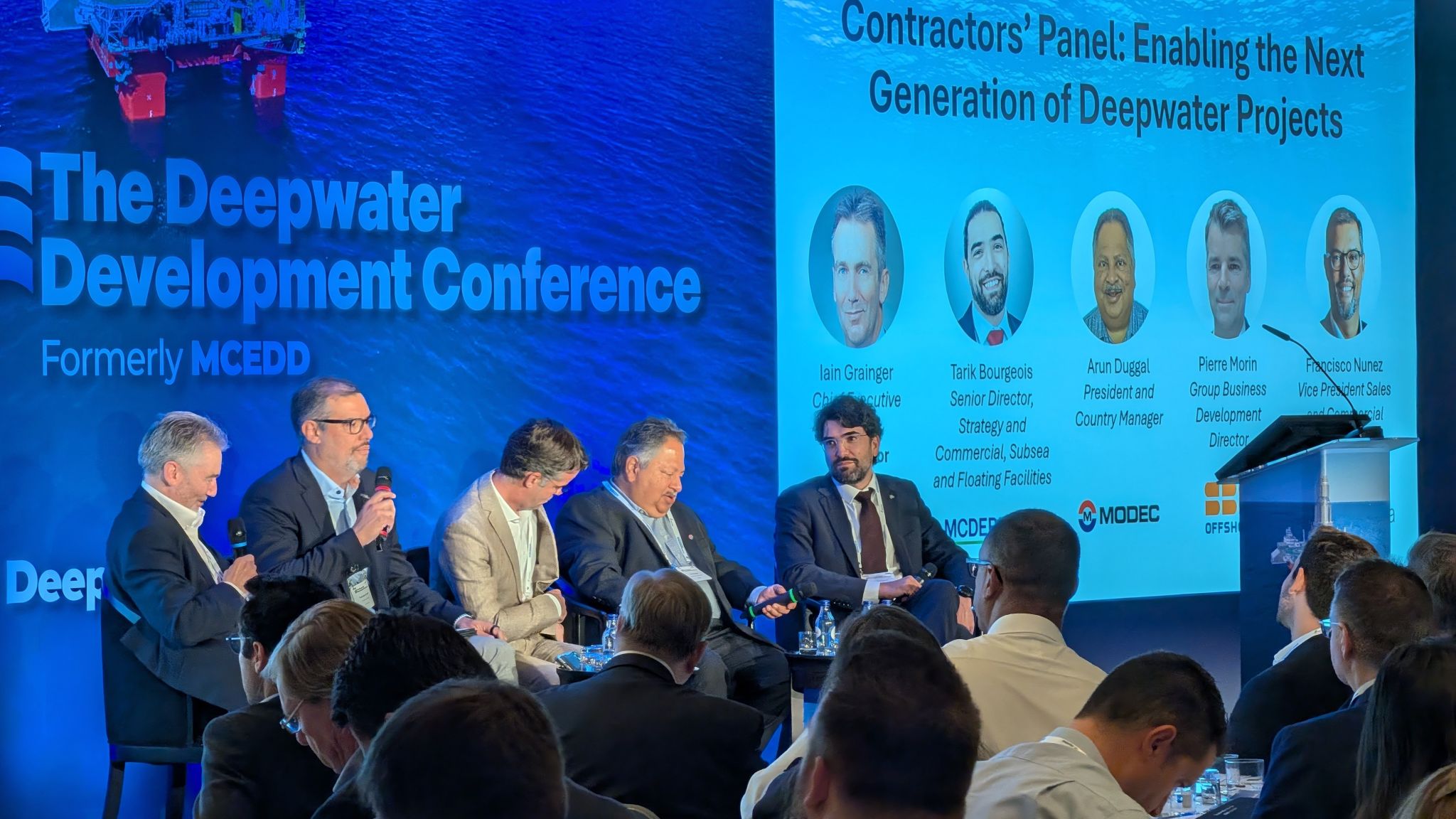
Fig. 1. During the Contractors’ Panel, early engagement, standardization and collaboration were on the minds of panelists.
The session was moderated by Iain Grainger, CEO of IMCA, and featured Tarik Bourgeois, senior director, Strategy and Commercial, Subsea and Floating Facilities, McDermott; Arun Duggal, president and country manager, MODEC; Pierre Morin, group business development director, SBM Offshore; and Francisco Nunez, vice president, sales and commercial, SLB OneSubsea.
Panelists said the offshore market continues to present a wide range of opportunities, from brownfield life extension work to new developments in emerging offshore provinces. Mature basins are seeing renewed investment, as operators seek to extend production from existing assets, while frontier regions continue to attract attention, as companies pursue new resource potential.
However, speakers emphasized that the success of these projects increasingly depends on how effectively the industry organizes itself to deliver them.
Early engagement with the supply chain was repeatedly highlighted as one of the most effective tools for improving project outcomes. Panelists said that involving contractors, vendors and shipyards earlier in the development process allows teams to address design challenges, equipment lead times and execution risks before project schedules become constrained.
In several recent projects, early coordination between operators and contractors has allowed teams to align technical solutions with long-term asset performance, rather than focusing solely on procurement cost. Panelists said that approach helps ensure that facilities are designed for decades of operation while also improving schedule predictability during construction.
At the same time, speakers stressed that early engagement should not eliminate competition within the market. Panelists acknowledged that increasing consolidation among major contractors and integrated project delivery models can create efficiencies, but they warned that excessive concentration could limit innovation and make it harder for smaller technology providers to enter the market.
Maintaining a competitive environment remains critical for the long-term health of the offshore sector. Smaller companies often introduce new technologies and specialized solutions that can improve performance or reduce costs. Panelists said ensuring these companies have pathways to participate in projects will remain important for sustaining innovation.
Standardization was another major theme throughout the discussion. Contractors said repeatable designs, common specifications and consistent execution processes can significantly reduce engineering effort and shorten project schedules. In many cases, standardization is applied to project execution frameworks and major system architectures while still allowing flexibility for innovation in specific equipment or technologies.
Panelists emphasized that standardization should be viewed as a platform for improvement, rather than a limitation. By removing unnecessary engineering variation between projects, companies can focus resources on improving efficiency, reducing cost and enhancing reliability across successive developments.
Commercial models are also evolving. Contractors reported increasing interest in collaborative contracting structures that align incentives between operators and suppliers. These models often involve earlier involvement in project planning and may include shared risk or performance incentives tied to schedule and cost outcomes.
Supply chain capacity is another growing concern. Panelists noted that lead times for certain critical equipment categories have increased significantly in recent years. Turbines, subsea components and specialized offshore installation vessels are among the assets experiencing the greatest constraints. As a result, project teams are increasingly required to secure manufacturing slots and installation capacity earlier in the development cycle.
Contractors said long-term vendor relationships, framework agreements and improved supply chain visibility are becoming important tools for managing these risks.
Looking ahead, the panel pointed to several technologies that could shape future offshore developments, including electrified subsea systems, automation, remote operations, and digital asset management tools. These innovations are expected to improve safety by reducing personnel exposure offshore while also enabling more efficient operations and maintenance strategies.
History and future of FPSOs. Earlier in the day, MODEC Director of Sales & Marketing, Boyd Howell (Fig. 2), delivered an enjoyable, informative keynote address on the 40-year development of FPSOs and where that process might be headed in the future.
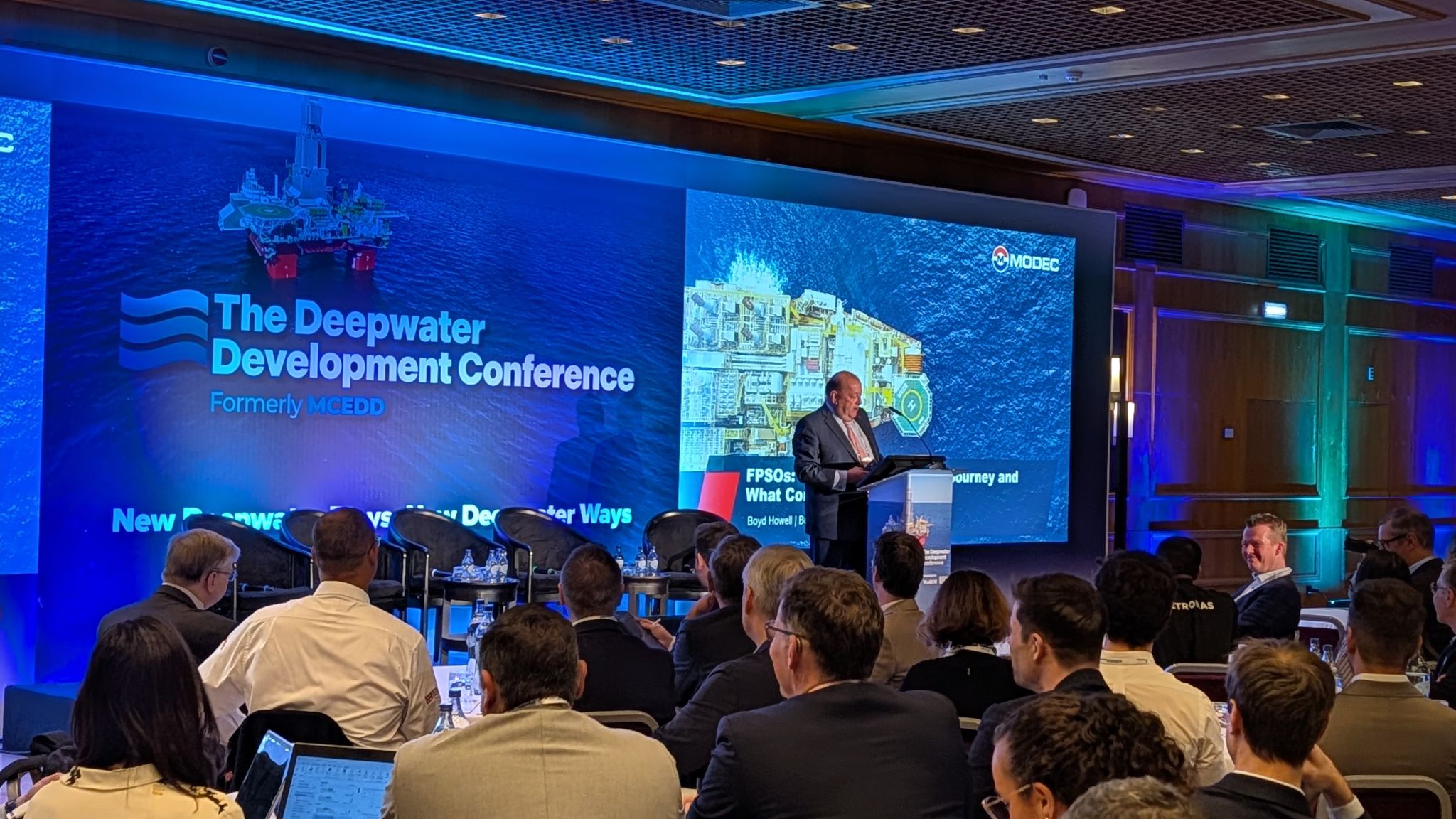
Fig. 2. In his keynote address, MODEC Director of Sales & Marketing, Boyd Howell, delivered an engaging discussion of the 40-year development of FPSOs and what advances might be next.
In applying his company’s own experiences to that process, Howell remarked that “we think in decades, not projects,” which he said is popular phrasing within MODEC. “This has guided our work in Brazil and is guiding our work in Guyana. Brazil is one of the best examples of deepwater offshore [evolution], and we operate 13 vessels there.”
Howell said that digitalization of FPSOs has been spread out over three distinct time periods. In the first phase, up to 2000, automation was the primary concern. Then, in the second phase, between 2000 and 2015, connectivity and data accumulation were the priorities. In the ongoing third phase since 2015, intelligence has been the primary task.
The industry can expect that offshore facilities, including FPSOs, will be increasingly automated, predicted Howell. He also noted that the Bacalhau FPSO offshore Brazil is the first vessel of its kind to feature a combined cycle gas turbine system, which helps it achieve a significantly lower CO2 emissions intensity.
Looking forward, Howell predicted that performance, emissions reduction, and efficiencies will be designed into every production vessel from the start of its construction.
About The Author