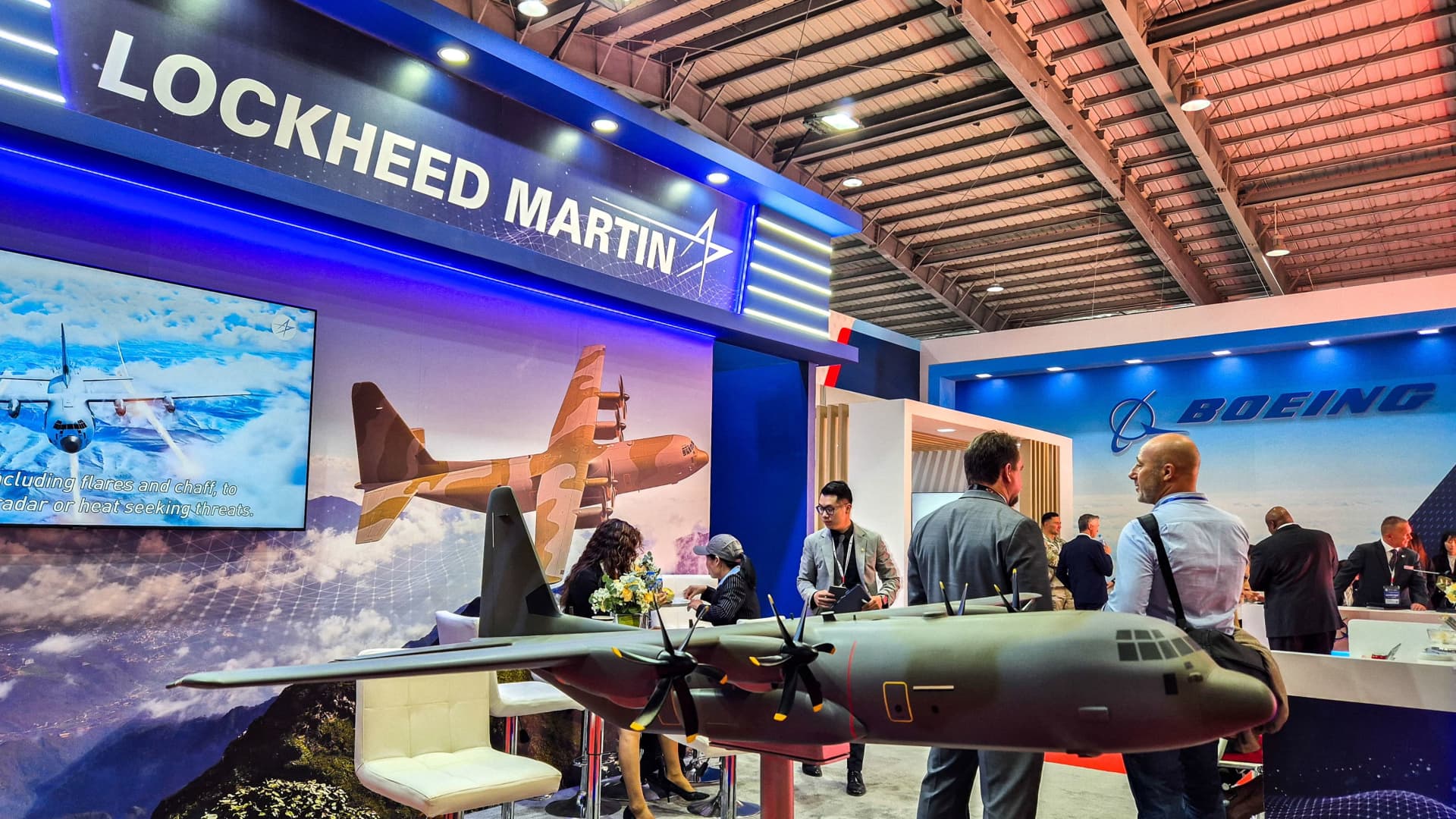
The war in Iran means the U.S. military will need to restock its ammunition – and that could be a positive catalyst for shares of missile suppliers Lockheed Martin and RTX , according to Bernstein. The U.S. has exchanged missiles and drone strikes with the Islamic Republic since late February, burning through $5.6 billion worth of ammunition in just the first two days of the conflict, The Hill reported , citing a congressional source familiar with the matter. That outsized spending is likely to continue as the Trump administration gives mixed messages about its timeline and objectives in Iran, and is likely to translate into more business for missile manufacturers, according to Bernstein. “Heavy usage of U.S. tactical weapons and [Gulf Cooperation Council]/Israeli usage of interceptors have led to the need for urgent restocking,” Bernstein analyst Douglas Harned said Wednesday in a note to clients. “In any scenario, munitions restocking means upward pressure” on both companies’ share price. Defense executives met at the White House last Friday to discuss ramping up weapons production. The meeting fueled expectations that several defense contractors could soon win additional federal contracts to rebuild ammunition supplies. Before last week’s discussions, Lockheed Martin and RTX had already talked with U.S. lawmakers about ammunition supplies, suggesting the pair could top the list of firms poised to clinch government contracts due to the war, according to Bernstein. “We expect this meeting to cement transition of production frameworks at RTX and Lockheed Martin to actual contracts,” the investment firm’s analysts wrote. RTX, which makes the Patriot Air and Missile Defense System, has gained 62% over the past year, while Lockheed Martin, the prime contractor for the Terminal High Altitude Area Defensesystem, is ahead 37% in just three months. Caveat Iran is already showing signs that its attack capabilities are “effectively destroyed,” Bernstein analysts noted. Iranian missile attacks on Gulf nations and Israel are down 90%, while drone attacks have declined 83%, they said. As a result, U.S. officials may have less need to replenish inventories. “Offensive capabilities of Iran are effectively destroyed, reducing threats in the Middle East, with potentially, less demand — even if a hostile regime remains,” Harned wrote. In that scenario, “stocks tend to give back most of their gains.”