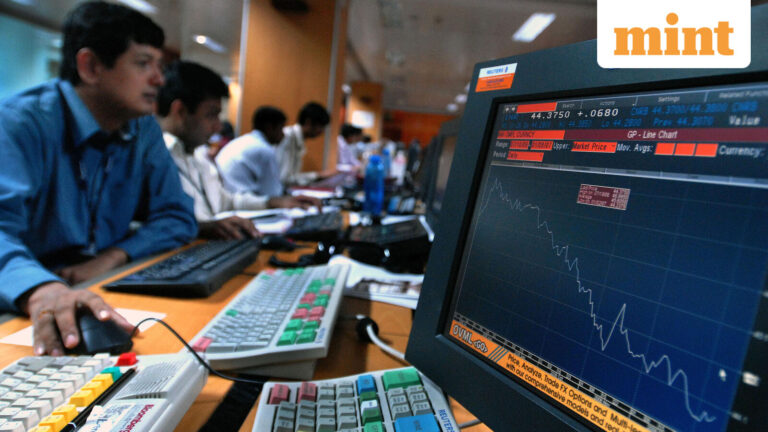
* Indexes down: Dow 1.22%, S&P 500 1.12%, Nasdaq 1.41%
* Iran’s new Supreme Leader Mojtaba Khamenei vows to keep Strait of Hormuz shut
* Oil surges as tankers set ablaze in Middle East
* Trump explores possible waiver of Jones Act to ease oil cost pressures
* Big banks fall on rising credit quality concerns
By Stephen Culp and Johann M Cherian
NEW YORK, – U.S. stocks tumbled on Thursday as Iranian strikes on two oil tankers sent crude prices surging toward $100 per barrel, exacerbating already heightened inflation fears and sending investors fleeing equity markets.
All three major U.S. indexes slid more than 1% in a broad selloff, with everything but energy and some defensive stocks suffering steep percentage losses. Iran’s Supreme Leader Ayatollah Mojtaba Khamenei vowed to keep the crucial Strait of Hormuz shut, and the International Energy Agency warned the war on Iran was creating the largest-ever oil supply disruption, feeding fears of mounting inflation pressures. Front month WTI and Brent crude futures were last up about 8%, with Brent briefly touching $100 per barrel.
The Trump administration has told U.S. oil companies and shippers to prepare for a possible waiver of the century-old Jones Act, which governs domestic shipping, in an effort to mitigate rising fuel prices, according to sources familiar with the discussion.
“It seems like one of those ‘sell everything’ type of days,” said Ross Mayfield, investment strategy analyst at Baird in Louisville, Kentucky. “This has been a market where, even amid all the weakness, the pop in oil prices and the volatility, we haven’t had many big down days like this, in terms of breadth.”
“There’s a sense that things are worse than investors had hoped for, and there’s no white knight riding in.” Mayfield added.
The U.S. Federal Reserve convenes on March 17, and while recent inflation data suggest price growth is under control, the 13-day-old war on Iran and the resulting spike is crude prices have yet to filter through the data. While the central bank is widely expected to leave its key interest rate unchanged, its updated summary of economic projections will be scrutinized for adjusted inflation estimates. In light of recent credit quality concerns, Swiss private equity firm Partners Group warned private credit default rates could double in the next few years. Morgan Stanley limited redemptions at one of its private credit funds, while JPMorgan Chase reduced the value of some loans to private credit funds on Thursday. Their shares were off 4.6% and 2.0%, respectively. Federal Reserve Vice Chair for Supervision Michelle Bowman outlined regulatory changes that would relax requirements for the amount of cash banks must set aside for potential losses, in a move seen as a victory for Wall Street lenders.
The Dow Jones Industrial Average fell 581.01 points, or 1.22%, to 46,840.89, the S&P 500 lost 78.56 points, or 1.12%, to 6,699.68 and the Nasdaq Composite lost 320.37 points, or 1.41%, to 22,395.77.
Among the 11 major sectors of the S&P 500, energy was the biggest gainer, while industrials notched the steepest percentage loss. Dating app operator Bumble jumped 33.6% on Thursday after reporting fourth-quarter revenue above estimates. Discount retailer Dollar General fell 5.9% after forecasting annual comparable sales below estimates. Agricultural fertilizer firms, which also rely on shipments through the Strait of Hormuz, advanced on surging prices. The S&P Fertilizer and Agricultural Chemicals index jumped 4.7%. Chemical companies LyondellBasell and Dow rose over 8% following a Citigroup upgrade on new export opportunities arising from supply chain disruptions in the Middle East.
On Friday, a raft of economic indicators are expected, including consumer sentiment, durable goods, job openings/labor turnover, and the broad-ranging personal consumption expenditures report.
Declining issues outnumbered advancers by a 3.19-to-1 ratio on the NYSE. There were 107 new highs and 166 new lows on the NYSE.
On the Nasdaq, 1,226 stocks rose and 3,400 fell as declining issues outnumbered advancers by a 2.77-to-1 ratio.
The S&P 500 posted 17 new 52-week highs and 22 new lows while the Nasdaq Composite recorded 33 new highs and 147 new lows.
This article was generated from an automated news agency feed without modifications to text.
About The Author