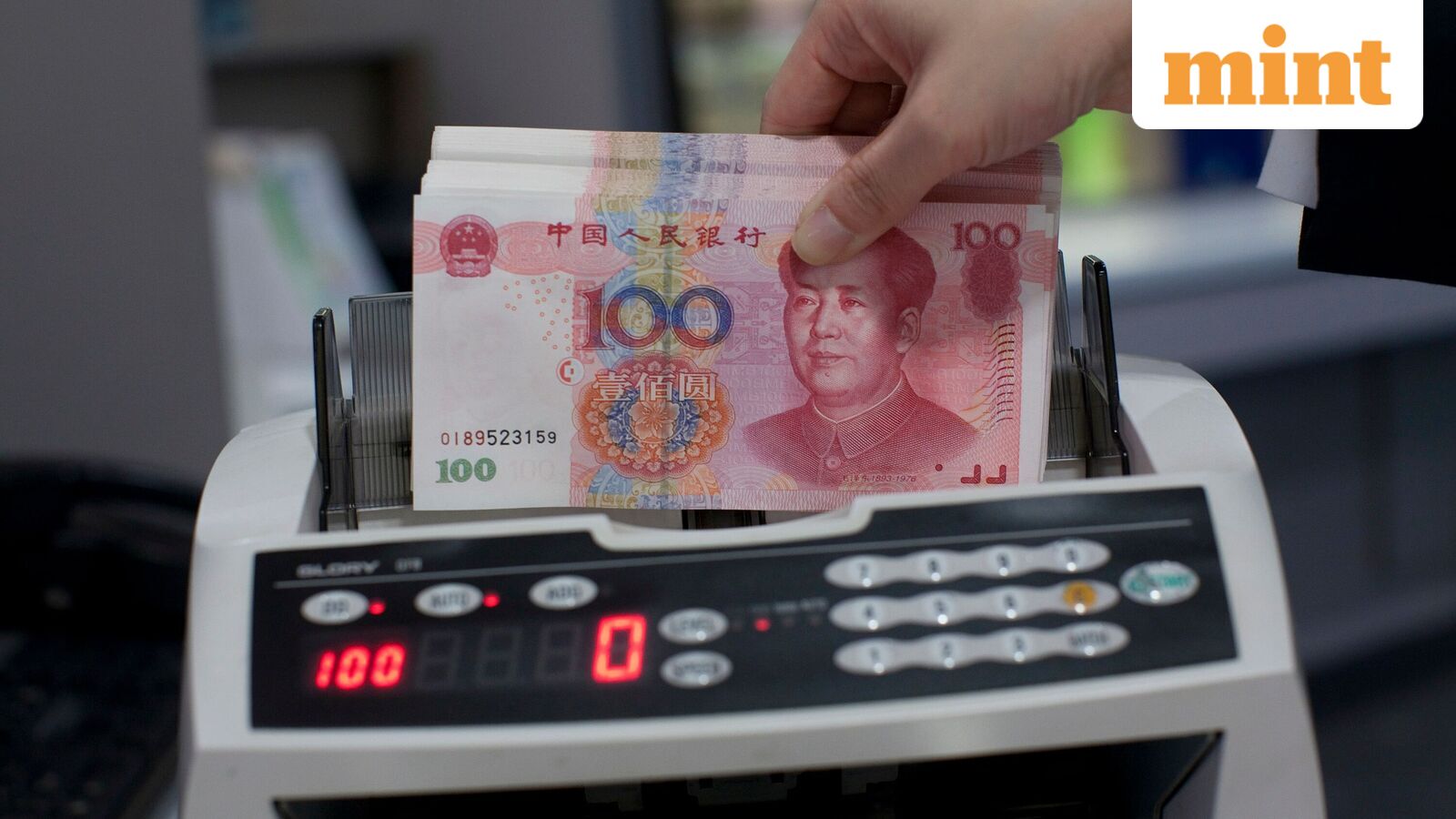
Shares of Chinese firms facilitating cross-border payments, including CNPC Capital Co., Lakala Payment Co., and Shenzhen Forms Syntron Information Co., rose up to 10% on Friday, 3 April, after reports that China’s commerce ministry observed the yuan being used for toll payments through the Strait of Hormuz.
CNPC Capital, the financial arm of China National Petroleum Corp., hit the 10% upper circuit in Shenzhen. Lakala rose as much as 7.9%, while fintech firm Shenzhen Forms Syntron gained 9.4% before paring gains. Shares of CNPC Capital closed 8% higher, while Lakala Payment, and Shenzhen Forms Syntron ended nearly 1% higher today.
According to a Bloomberg report, China has been working towards the internationalisation of the yuan for some time, and its practical use in the Strait of Hormuz illustrates a tangible applicationmarkets have eagerly anticipated. The Bloomberg report noted that analysts believe this development strengthens the view that geopolitical tensions could drive more investment into China.
A posting on the Ministry of Commerce’s website, citing a recent Lloyd’s List report, said ships are paying $2 million in fees to Iran to use this vital energy shipping route, and that these fees can be settled in yuan, as reported by Bloomberg.
Iran has been asserting its influence over shipping traffic in the Strait of Hormuz by imposing fees of approximately $1 per barrel, payable in yuan or stablecoins, according to sources familiar with the matter who spoke to Bloomberg. A very large crude carrier (VLCC) generally has a capacity of around 2 million barrels.
Here’s what the expert says
As the conflict in Iran persists, the yuan is becoming a significant alternative for global investments due to China’s strong ties with Iran, as noted by Shen Meng, a director at the Beijing-based investment bank Chanson & Co, in comments to Bloomberg. Therefore, industries associated with oil and gas capital firms and electronic payment companies are expected to experience increased capital inflows, the investment banker said.
Shen noted that China’s efforts to internationalise the yuan have significantly increased the currency’s use in Hormuz.
Disclaimer: The views and recommendations made above are those of individual analysts or broking companies, and not of Mint. We advise investors to check with certified experts before making any investment decisions.
About The Author