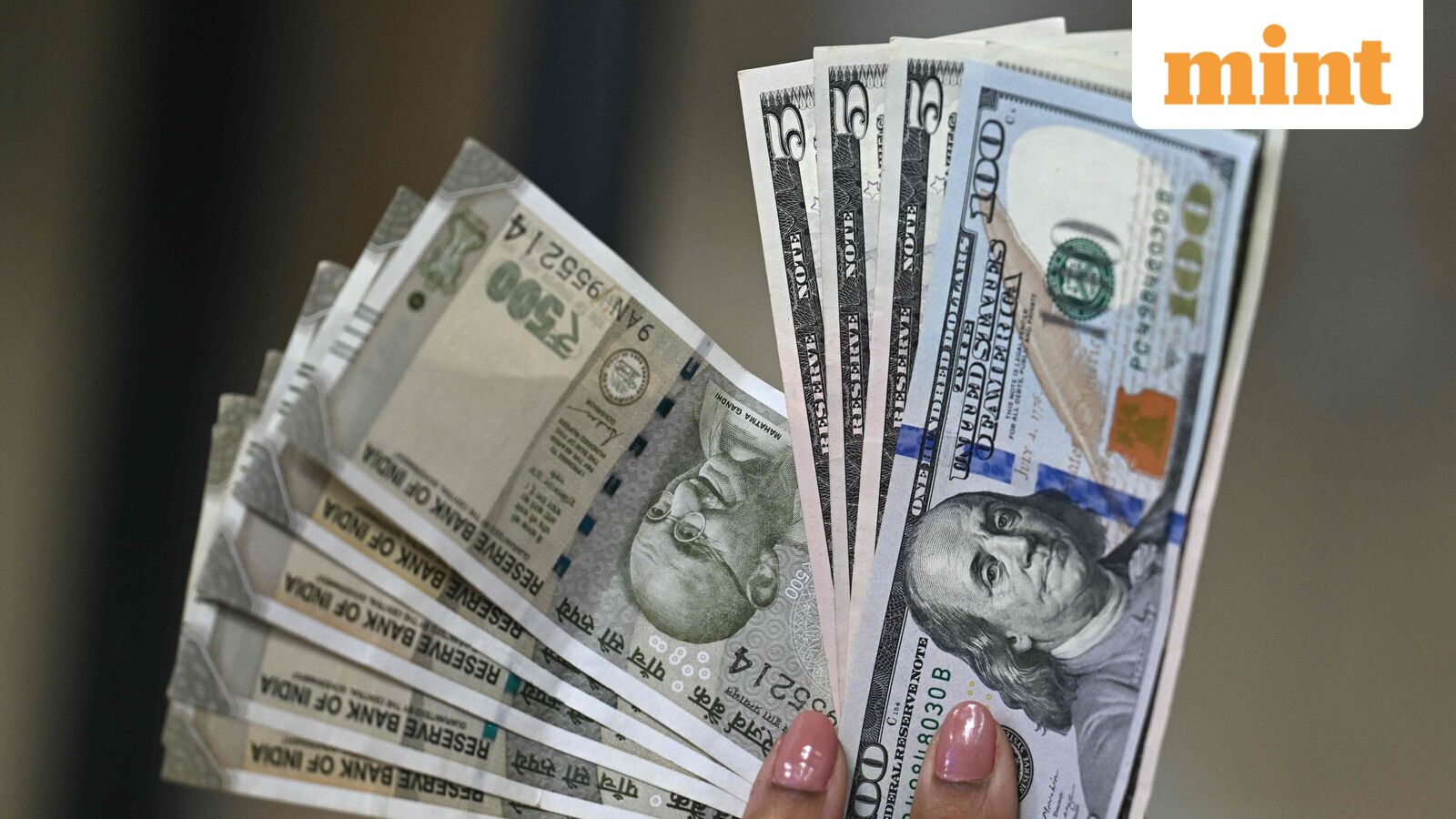
The Indian rupee opened lower, extending its slide on Thursday, April 23 pressurized by surging crude oil prices and a stronger US dollar.
The rupee opened 20 paise lower at 94 per US dollar as against its previous close of 93.7950.
The currency has already lost nearly 1% this week and slipped well past its recent highs near 92.50, a level reached largely on the back of support measures by the Reserve Bank late last month and again in April, Reuters reported.
A jump in oil prices, with Brent oil above $100 a barrel, weighed on the rupee. Crude oil prices rallied after Iran vowed not to reopen the Strait of Hormuz so long as a US naval blockade remained in place.
Brent crude oil price rose 1.30% to $103.23 a barrel, while the US West Texas Intermediate (WTI) crude futures rallied 1.45% to $94.31.
The rupee continued its decline for the third consecutive session, dropping below the 93.80 level, a move attributed not to domestic factors but rather to escalating global uncertainties.
According to experts, the primary source of this pressure is the Strait of Hormuz, where recent attacks on container vessels have rekindled concerns about supply. This situation has driven Brent crude prices closer to the $100 per barrel mark. As a nation that heavily relies on oil imports, India faces a direct increase in its import expenses and dollar demand due to the rising crude prices, which negatively impacts the currency.
Even though the US has prolonged its ceasefire with Iran, market sentiment remains skeptical. Ongoing naval restrictions and uncertain negotiation outcomes continue to foster supply disruptions, keeping oil prices high.
At the same time, the US dollar index remains stable around 98, contributing to additional pressure. Anticipations of interest rate reductions by the Federal Reserve have diminished as geopolitical uncertainties keep inflation risks present, according to experts.
The global risk appetite has also become more cautious. Emerging market currencies and stocks are facing pressure, leading foreign investors to adopt a more defensive stance. In India, a total outflow of ₹2,078 crore from equities indicates this shift.
Therefore, experts believe that rupee’s depreciation is primarily influenced by global volatility rather than domestic issues, with geopolitics, oil prices, and a robust dollar playing key roles in determining its direction.
Rupee Outlook
According to Amit Pabari, MD, Research Team, CR Forex Advisors, technically, USD/INR has built a strong base in the 92.80–93.00 zone, which is now acting as a cushion. However, with uncertainty still dominating the narrative, the bias remains tilted upward. A gradual move toward 94.00–94.20 cannot be ruled out unless there is a clear breakthrough on the geopolitical front.
Disclaimer: This story is for educational purposes only. The views and recommendations above are those of individual analysts or broking companies, not Mint. We advise investors to check with certified experts before making any investment decisions.
About The Author