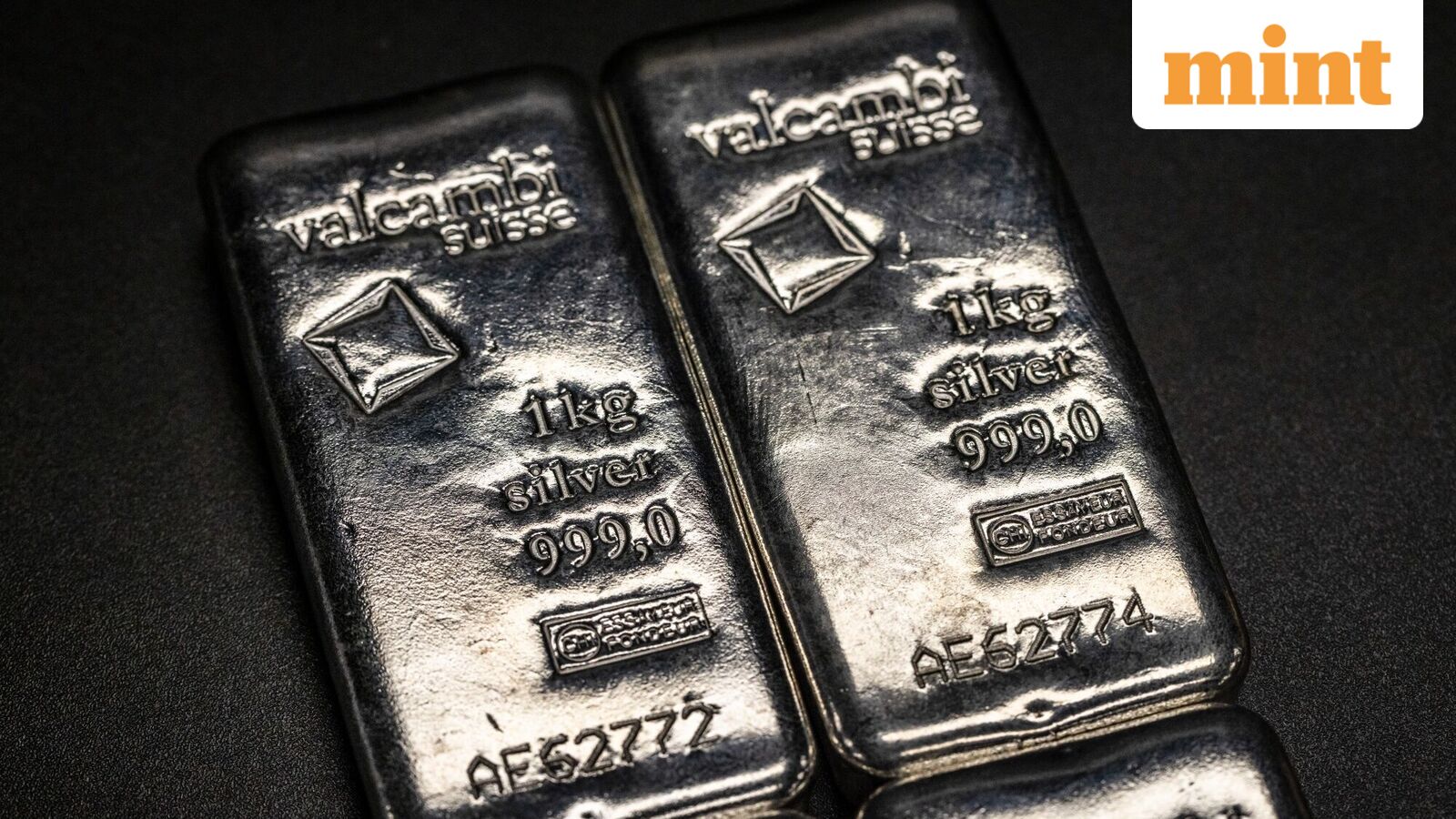
Silver prices in India declined on Thursday, tracking weakness across the precious metals pack as elevated crude oil prices raised fresh concerns around inflation and prolonged high interest rates. The decline comes amid continued uncertainty over stalled U.S.-Iran peace talks, which has kept global markets on edge.
MCX Silver rate fell 2.5% or over ₹6,100 to ₹2,42,220 per kg, while MCX Gold price lost 0.6% or around ₹1,000 to ₹1,51,719 per 10 grams.
In global markets as well, Spot silver fell 1.4% to $76.64 per ounce. Other metals also remained under pressure, with platinum down 1.3% to $2,048.25 and palladium slipping 1% to $1,529.25. For reference, spot gold declined 0.7% to $4,705.09 per ounce, while U.S. gold futures for June delivery fell 0.6% to $4,722.10.
What is driving the fall in silver, gold prices
The primary trigger behind the decline is the sharp rise in crude oil prices. Brent crude has remained above $100 per barrel following larger-than-expected draws in gasoline and distillate inventories in the United States, along with the lack of progress in U.S.-Iran peace negotiations.
Higher crude prices tend to push up transportation and production costs, which feed into broader inflation. This, in turn, reduces the likelihood of near-term interest rate cuts, a negative for non-yielding assets like silver.
Geopolitical tensions have further added to the pressure. Iran seized two ships in the Strait of Hormuz, tightening control over the key global oil transit route. This came after U.S. President Donald Trump called off planned attacks, with no clear signs of peace talks resuming.
At the same time, the U.S. has maintained its naval blockade of Iranian trade routes, while Iran’s parliament speaker and chief negotiator Mohammad Baqer Qalibaf said a full ceasefire would only be meaningful if the blockade is lifted, indicating a continued stalemate.
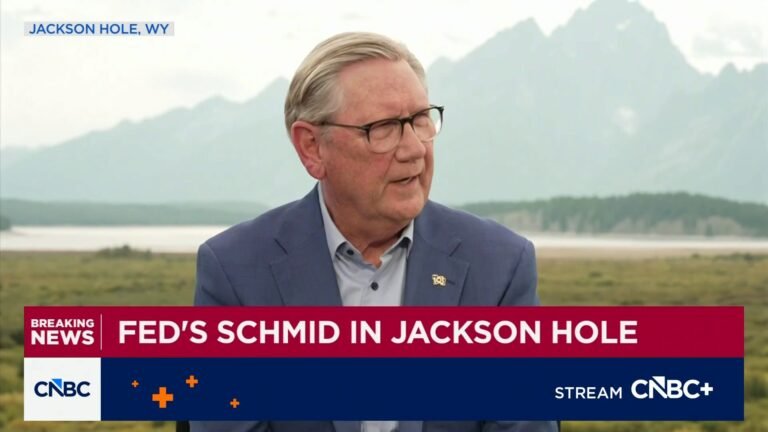
Adding to the bearish sentiment, a Reuters poll showed that the U.S. Federal Reserve is likely to delay interest rate cuts for at least six months, as energy-driven inflation risks persist. Market expectations have also shifted, with traders now pricing in only a 23% chance of a 25-basis-point rate cut in December, down from 28% a week earlier. Before the escalation in conflict, markets had anticipated two rate cuts this year.
The combination of rising oil prices, delayed rate cut expectations, and ongoing geopolitical tensions is weighing on silver, even as broader uncertainty remains elevated.
Outlook Ahead
According to Renisha Chainani, Head – Research at Augmont, gold and silver are currently in a consolidation phase, with gold hovering around $4,750 and silver near $78, recovering some of the previous session’s losses following U.S. President Donald Trump’s unilateral ceasefire extension announcement. She noted that uncertainty persists as a second round of peace talks has broken down, and it remains unclear whether Iran or U.S. ally Israel will formally accept the extended truce, which has now entered its third week. Chainani added that precious metals continue to be largely driven by ceasefire-related developments and broader liquidity conditions, with the extension being interpreted as partial de-escalation, thereby easing immediate safe-haven demand.
“Gold is trading in the range of $4,650 (~ ₹1,51,500) and $4,850 (~ ₹1,55,000) from the past few days, and a breakout or breakdown on either side could lead to a 3–4% directional move, while silver is holding between $76 (~ ₹2,42,500) and $81 (~ ₹2,57,000), with a similar 3–4% price swing expected on either side,” said Renisha Chainani of Augmont.
She further highlighted that additional pressure on precious metals has come from the Senate confirmation hearing of Federal Reserve Chair nominee Kevin Warsh, whose emphasis on institutional independence has been interpreted as a potentially hawkish stance, which could weigh on metals going forward.
Disclaimer: The views and recommendations made above are those of individual analysts or broking companies, and not of Mint. We advise investors to check with certified experts before making any investment decisions.
About The Author