(WO) — Africa’s next energy growth cycle will be driven less by new discoveries and more by the ability to build infrastructure, expand LNG capacity and monetize existing reserves, according to analysts participating in the State of African Energy 2026 Outlook webinar hosted by the African Energy Chamber (AEC) and S&P Global.
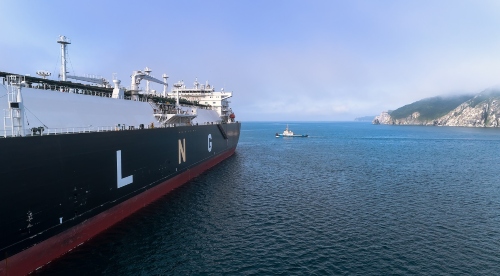
Speakers throughout the webinar emphasized that deepwater developments, LNG infrastructure and gas-to-power investments are increasingly becoming the primary indicators of competitiveness across the continent as investors place greater focus on project execution, regulatory stability and delivery certainty.
Africa’s upstream sector is entering a period of stabilization, with production forecast to reach 11.4 million boed in 2026 and upstream capital expenditure expected to total approximately $41 billion, according to S&P Global analysts. Offshore deepwater projects continue to represent the dominant source of long-term supply growth as mature onshore basins face rising reinvestment requirements and natural production declines.
Justin Cochrane, director for African regional research at S&P Global, said Africa remains structurally underexplored, with only about 25,000 wells drilled across the continent. He noted that 74% of discoveries since 2010 have originated from deepwater and ultra-deepwater plays, while natural gas accounted for roughly 73% of total hydrocarbon discoveries. However, he cautioned that many frontier discoveries still lack sufficient infrastructure and market access needed for commercialization.
Natural gas is increasingly emerging as the continent’s central investment theme, supported by LNG growth, floating production technologies and expanding domestic gas-to-power demand. Simon Wood, head of EMEA gas, LNG and low carbon gases consulting at S&P Global, said Africa’s challenge is no longer resource availability, but the ability to establish integrated value chains supported by financing, regulatory certainty and infrastructure coordination.
Energy access also remains a major structural issue across the continent. Approximately 600 million people in Africa still lack electricity access, while more than 900 million lack access to clean cooking fuels. Electricity demand is expected to grow nearly 4% annually through 2030, driven by population growth, urbanization and expanding industrial activity.
Rehan Burger, associate director for global power at S&P Global, said natural gas will remain “system critical” for stabilizing power grids and supporting renewable integration across fragmented energy systems.
The webinar also highlighted Africa’s growing strategic importance in critical minerals supply chains, with countries across the continent holding significant reserves of cobalt, lithium and platinum group metals used in batteries and electrification technologies. Analysts noted that long-term value creation will depend on governance stability, infrastructure readiness and local industrial development.
Speakers additionally warned that the 2026 Middle East crisis and disruptions in the Strait of Hormuz have introduced new volatility into global energy markets, increasing pressure on African import-dependent economies while accelerating efforts to diversify supply routes and strengthen regional energy resilience.
About The Author