The economic landscape continues to be shaped by major forces, from geopolitical conflict and rising energy prices to growing government debt and inflation concerns.
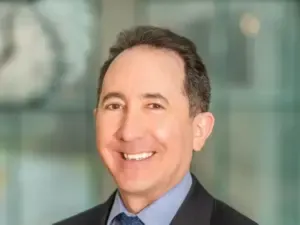
Recently, we had the opportunity to sit down with Peter Boockvar, Chief Investment Officer of OnePoint BFG Wealth Partners, editor of The Boock Report on Substack, and CNBC contributor.
Our conversation covered some of the biggest questions facing investors today, including the economic impact of the conflict in the Middle East, the future of energy prices, the growing burden of government debt, and why gold and silver continue to attract attention from investors and central banks around the world. Here is what he had to say.
Q: Looking forward, what are the long-term dangers to the U.S. economy that are already baked into the equation of the war but are still not being seen by the consumer?
A: Every day that passes without the Strait of Hormuz fully reopening results in lost supplies of key commodities such as crude oil, nitrogen, sulfur, aluminum, helium, naphtha, and phosphate. We’ve been able to manage this so far, but the risks of meaningful supply shortages are growing. While consumers may not yet be feeling the full impact, prolonged disruptions can eventually work their way through supply chains, leading to higher costs for businesses and ultimately higher prices for households.
Q: If the war doesn’t end soon, what are the long-term economic dangers to the U.S. and the world?
A: In that case, prices will rise notably, particularly crude oil, creating additional inflationary pressure and economic pain points around the world. Higher energy costs affect nearly every sector of the economy, from manufacturing and transportation to agriculture and consumer goods. The longer these pressures persist, the greater the risk of slower economic growth alongside elevated inflation.
Q: Has the war created a new normal for the oil market?
A: I believe so. I think $85 per barrel is the new $65. Even when the war ends and the Strait fully reopens, we’re likely to see global stockpiling of crude oil and other key commodities for the next several years. Governments and businesses have been reminded of how vulnerable supply chains can be during periods of geopolitical instability, and that lesson is likely to influence purchasing and inventory decisions well into the future.
Q: The WSJ just reported that U.S. debt has surpassed GDP, and that the government is currently spending $1.33 for every dollar it brings in. What are the real-world ramifications for U.S. investors, and what should they do to protect themselves long term?
A: Excessive debt and deficits only matter when they do. That said, I believe investors are beginning to pay attention, as evidenced by rising bond yields in the U.K., France, Germany, Japan, and the United States. As governments borrow more, investors often demand higher yields to compensate for the increased risks and fiscal pressures. Hard assets, including gold, are one way I believe investors can help protect their portfolios against these long-term uncertainties.
Q: Gold and silver have been on a great run. Many people who have followed metals for a long time are somewhat surprised that gold and silver are at their current levels. Do you think this will continue?
A: I think both gold and silver are continuing to consolidate the extraordinary gains they experienced last year and in early 2026. I expect this digestion phase to continue, with some downside risk. In gold’s case, it has become a source of funds for countries that import large amounts of energy and may need liquidity to offset higher energy costs. That said, the longer-term fundamentals remain supportive, particularly as central banks continue to diversify their reserves and investors seek protection from inflation, geopolitical uncertainty, and growing fiscal challenges around the world.
Final Thoughts
Peter Boockvar’s outlook highlights how interconnected today’s economic challenges have become. Geopolitical conflicts are no longer isolated events. They can affect global supply chains, energy markets, inflation, government finances, and ultimately the purchasing power of consumers and investors alike.
As Boockvar points out, the consequences of supply disruptions and rising debt levels may take time to fully emerge, but the risks are building beneath the surface. Higher energy costs, persistent inflation pressures, and growing fiscal imbalances have the potential to reshape the investment landscape for years to come.
In that environment, many investors are looking beyond traditional financial assets. Gold and silver have long served as stores of value during periods of uncertainty, and today they continue to attract attention from both individual investors and central banks seeking diversification. While precious metals may experience periods of consolidation and short-term volatility, the broader forces discussed in this conversation help explain why they remain an important consideration for those focused on preserving wealth over the long term.
About The Author