(Bloomberg) — Iran has indicated that an agreement with the United States to reopen the Strait of Hormuz will not be finalized by President Donald Trump’s latest proposed deadline, even as negotiations continue and regional tensions remain elevated.
According to Iran’s semi-official Fars News Agency, an official close to the negotiating team said no agreement would be reached by the timeline outlined by Trump. Bloomberg also reported that Iran’s Supreme Leader Mojtaba Khamenei had not yet approved the draft memorandum of understanding.
The talks are aimed at extending the current ceasefire and reopening the Strait of Hormuz to commercial shipping. The agreement would also provide for the lifting of the U.S. blockade on Iranian ports while further negotiations continue regarding Tehran’s nuclear program.
Complicating the diplomatic effort, Israel launched strikes on Beirut after Hezbollah fired projectiles into northern Israel. Iran warned that attacks on Lebanon would not go unanswered, while Iranian parliamentary speaker Mohammad Bagher Ghalibaf said there was little value in continuing negotiations if Washington could not ensure that Israeli attacks on Lebanon cease.
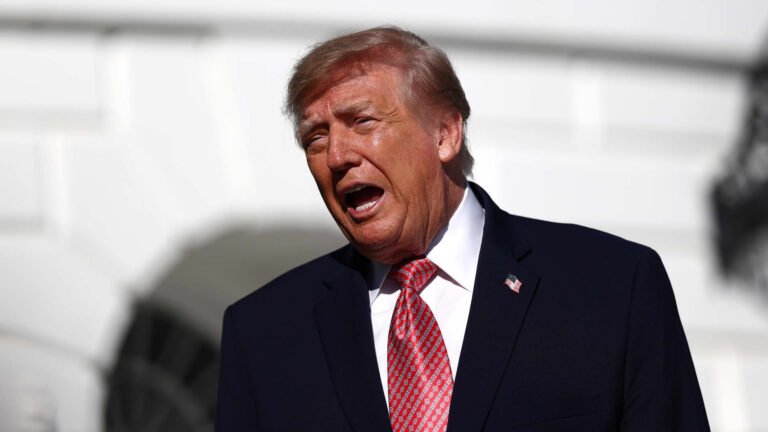
President Trump said Saturday that the deal was scheduled to be signed Sunday and that the Strait of Hormuz would reopen immediately afterward. However, Iranian officials have struck a more cautious tone, emphasizing that progress has been made but that key provisions remain unresolved.
Qatari mediators arrived in Tehran Sunday to continue facilitating discussions between the two sides, according to Iranian media reports.
Major sticking points include Iran’s demand that tens of billions of dollars in frozen assets be released, while Washington seeks commitments regarding Tehran’s stockpile of highly enriched uranium. Reuters reported that a draft agreement could include access to $25 billion in Iranian funds, although U.S. officials have said any financial relief would be phased in and contingent on compliance.
Negotiations have continued through intermediaries since a ceasefire took effect in April. The truce has come under strain several times, with exchanges between Iran, Israel and U.S. forces threatening to reignite broader conflict.
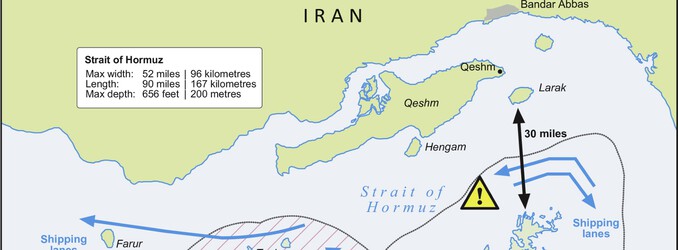
The status of the talks remains closely watched by oil markets. Iran’s actions earlier this year effectively disrupted traffic through the Strait of Hormuz, a key artery for global crude exports, sending oil prices sharply higher. Although prices have retreated from their peaks amid expectations of a diplomatic solution, crude remains significantly above levels seen at the start of the year.
Analysts have warned that prolonged disruption could tighten global supplies further, particularly as emergency petroleum reserves in several countries have been drawn down to help stabilize markets.
About The Author