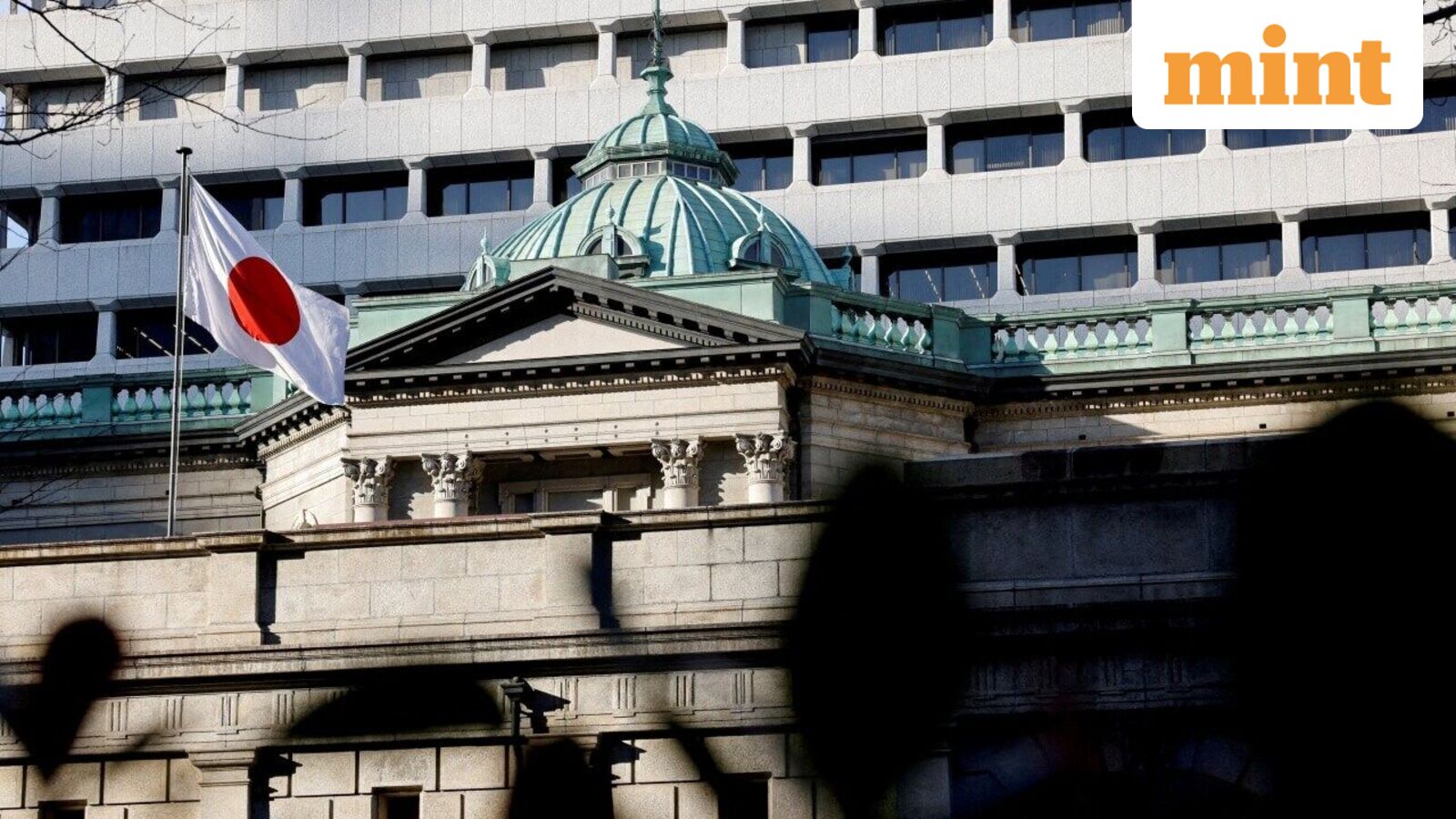
The Bank of Japan (BOJ) raised interest rates to a 31-year high on Tuesday, in line with market expectations, as the central bank focuses on battling inflation risks from the US-Iran war in the Middle East.
The BOJ decided to raise its short-term policy rate by 25 basis points (bps) to 1.0% from 0.75% by a 7-1 vote at a two-day meeting that ended on Tuesday.
It was the first rate increase since December. The Bank of Japan’s policy rate now stands at levels unseen since 1995.
The widely expected decision followed rate rises by the European Central Bank (ECB) and in Indonesia last week.
“While higher crude oil prices have been exerting downward pressure on economic activity, the economy has generally been supported by factors such as high levels of corporate profits and an improvement in the employment and income situation,” the BoJ said.
“However, the price pass-through stemming from the rise in crude oil prices has been progressing at a relatively fast pace in business-to-business transactions, which could spread to an increase in consumer prices across a wide range of items,” the central bank added.
“Against this backdrop, taking into account that medium- to long-term inflation expectations have also continued to rise, there is a risk of underlying CPI inflation deviating upward to a level above the price stability target of two percent.”
Looking ahead, the BoJ said that it will “continue to raise the policy interest rate and adjust the degree of monetary accommodation”.
Investors now await the US Federal Reserve policy decision on Wednesday, with the new chair Kevin Warsh’s first rate-setting gathering this week.
Asian Markets
Asian markets traded with cautious gains as investors assessed a widely expected Bank of Japan rate hike to a 31-year high. Markets witnessed a stellar rally in the previous session on optimism over a US-Iran peace deal.
The Nikkei 225 gained 0.6%, briefly crossing above the 70,000 mark to set an all-time peak after the BOJ policy outcome. The Japanese yen was flat at 160.31 against the US dollar.
MSCI’s broadest index of Asia-Pacific shares outside Japan was up 0.4%.
South Korea’s Kospi rallied 2%, while Hong Kong’s Hang Seng index traded 1.16% lower, weighed down by weaker-than-expected retail sales and fixed-asset investment data from China.
Meanwhile, the Reserve Bank of Australia kept interest rates unchanged for the first time this year as expected. The Reserve Bank’s nine-member board held the cash rate at 4.35%.
(With inputs from Agencies)
About The Author