(WO) — Equinor has outlined plans to increase production to 2.3 MMboed by 2030, supported by higher investment in oil and gas projects, increased production on the Norwegian Continental Shelf (NCS) and continued growth in its international portfolio.
During its Capital Markets Day 2026 presentation, the company said it expects to grow production by approximately 150,000 boed by the end of the decade. Equinor also raised its NCS production outlook by 100,000 boed, targeting 1.35 MMboed in 2030 and 1.3 MMboed in 2035.
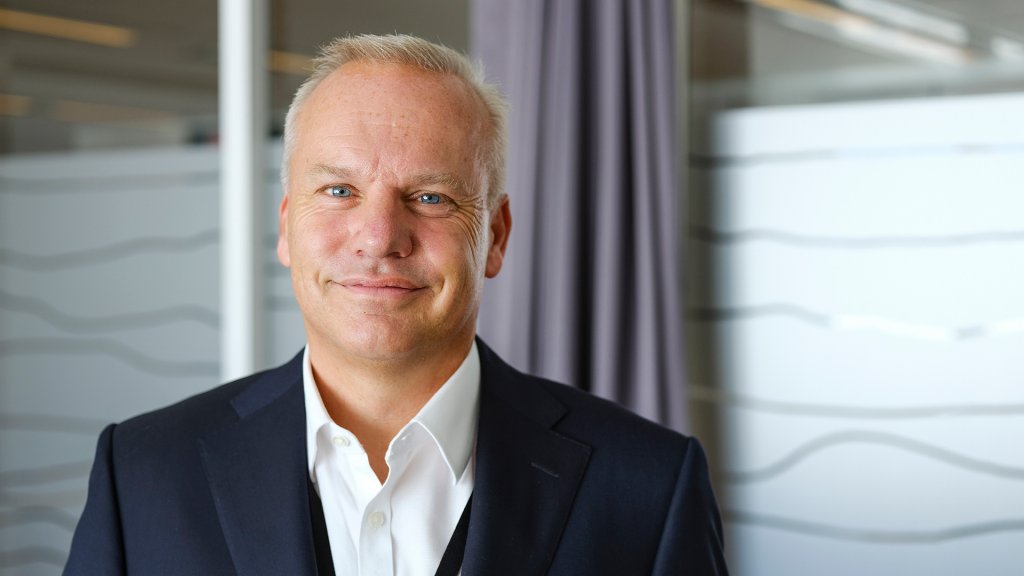
“Demand continues to grow and Equinor is uniquely positioned to provide reliable energy,” said Anders Opedal, president and CEO of Equinor. “We will deliver more energy, growing cash flow and superior returns towards 2030.”
The company expects international oil and gas production to increase about 30% to 950,000 boed by 2030. Key growth areas include the U.S., Brazil, Angola, the UK and Canada, where Equinor holds positions in several major producing basins.
To support its growth plans, Equinor intends to increase investment in high-return oil and gas projects beginning in 2027. The company expects annual capital expenditures of $11 billion to $13 billion between 2028 and 2030, with approximately 60% allocated to the NCS and 30% directed toward international oil and gas developments.
On the NCS, Equinor plans to accelerate resource development through increased recovery projects, subsea tiebacks and continued exploration activity. The company expects to sanction six to eight new tieback developments annually through 2035 and said many projects in its portfolio have break-even prices below $35/bbl.
“Our strategy is to maximise value on the Norwegian continental shelf, deliver focused growth in international oil and gas, build a competitive integrated power business and create more value uplift through trading and market optimization,” Opedal said.
In addition to upstream growth, Equinor expects power production to exceed 20 TWh by 2030 and plans to expand its global energy trading and market optimization business.
The company also reaffirmed its ambition to reduce operated emissions by 50% by 2030 while increasing oil and gas production, citing electrification projects on the NCS and broader energy-efficiency initiatives across its portfolio.
About The Author