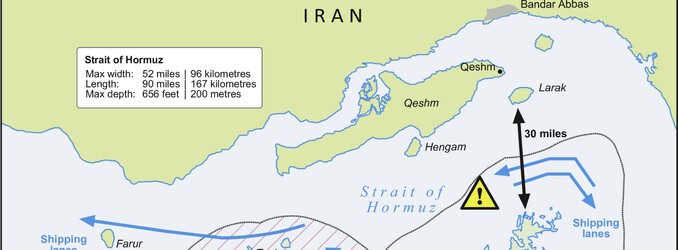
(Bloomberg) — Oil and LNG shipments through the Strait of Hormuz accelerated Thursday as the U.S.-Iran interim agreement began taking effect, with stranded cargoes leaving the Persian Gulf and producers testing the reopening of one of the world’s most important energy corridors.
According to vessel-tracking data compiled by Bloomberg, four supertankers carrying approximately 8 million bbl of crude either exited or transited the strait, including the first Saudi-owned tankers to make the journey since the conflict began. LNG shipments also resumed, with Qatari cargoes moving through the waterway.
The increase in activity follows Iran’s commitment to restore traffic through Hormuz to pre-conflict levels within 30 days. The near-closure of the strait earlier this year disrupted global energy markets and contributed to a sharp rise in oil prices.
The renewed traffic could mark the beginning of a broader recovery in Gulf exports. More than 100 tankers carrying crude and refined products have remained stranded in the region during the conflict, while producers across the Gulf have curtailed output as export routes became constrained.
Several Iranian-linked vessels were also observed entering the strait as the U.S. moves to lift restrictions on Iranian oil exports under the terms of the agreement.
Despite the increase in vessel movements, shipping companies and industry groups remain cautious. Questions persist regarding mine clearance, traffic management and long-term security arrangements in the waterway.
“The main requirement for recovery is stability and certainty for shipowners and insurers,” Lloyd’s Market Association said in a statement, warning that supply chains remain disrupted and a return to normal shipping operations could take months.
Industry groups including Intertanko and Bimco also said additional clarity is needed before vessel traffic returns to pre-war levels.
The reopening of Hormuz is being closely watched by energy markets, as a sustained recovery in Gulf exports could bring millions of barrels per day of crude supply back to market and further ease pressure on oil prices.
About The Author