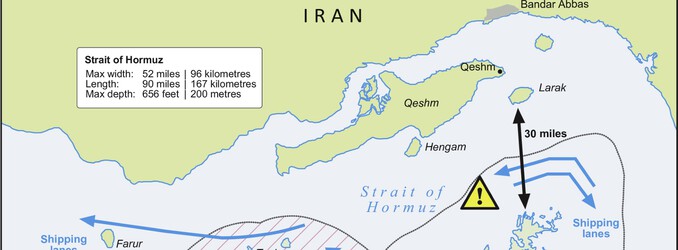
(Bloomberg) — Gulf oil exports are slowing again as renewed attacks on commercial tankers in the Strait of Hormuz disrupt shipping, according to satellite imagery reviewed by Bloomberg, raising fresh concerns over crude supplies moving through one of the world’s most important energy transit routes.
Saudi Arabia’s oil loadings from terminals inside the Persian Gulf have fallen sharply in recent days. Satellite images showed only one tanker berthed at the kingdom’s principal Gulf export facilities on Wednesday after activity briefly recovered between late June and early July.
The slowdown comes as Iran has intensified attacks on commercial vessels following the collapse of an interim peace agreement with the United States. At least nine commercial ships, including five very large crude carriers, have been damaged since the truce unraveled.
The International Maritime Organization warned Wednesday that conditions in the Strait of Hormuz have become too dangerous for normal commercial navigation, one of the strongest assessments issued since hostilities resumed.
Shipping activity through Hormuz initially collapsed when fighting broke out earlier this year, forcing several Gulf producers to reduce output as tanker availability tightened and export storage filled. Although Saudi Arabia briefly restored Gulf loadings after the temporary ceasefire, export activity has weakened again as security risks have intensified.
“The loading pace has started to roll over,” said Rory Johnston, founder of Commodity Context. “We had a really promising trajectory, and it collapsed almost as quickly. Everything’s moving in the wrong direction right now.”
Saudi Arabia remains better positioned than many neighboring producers because it can divert a significant share of exports to the Red Sea, bypassing the Strait of Hormuz. Iraq, however, relies almost entirely on its Basra Oil Terminal for crude exports and has again encountered a shortage of available tankers, forcing additional production cuts as shipments slow.
Satellite imagery also indicates Iraq’s export activity has dropped sharply, while loading operations in the United Arab Emirates remained relatively resilient earlier this week, though tanker attacks on two UAE vessels could affect future exports. Kuwait also continued loading cargoes before the latest incidents, while Iranian export activity appeared to decline significantly.
An Iraqi oil ministry spokesman said uncertainty surrounding the Strait of Hormuz continues to cause fluctuations in export volumes, although monthly shipments remain above previous levels.
Bloomberg’s analysis combined Sentinel-1 satellite imagery with vessel tracking data to monitor activity at major Gulf export terminals. The data also suggest some tankers are operating without transmitting identification signals, highlighting the increasing use of “dark” shipping as operators attempt to reduce exposure to security threats in the region.
With tanker availability tightening and attacks on commercial vessels continuing, producers across the Gulf face renewed pressure on exports as the conflict further disrupts one of the world’s busiest oil shipping corridors.
About The Author