Rick Rieder says income investors are facing a new regime. Heres where he is investing now
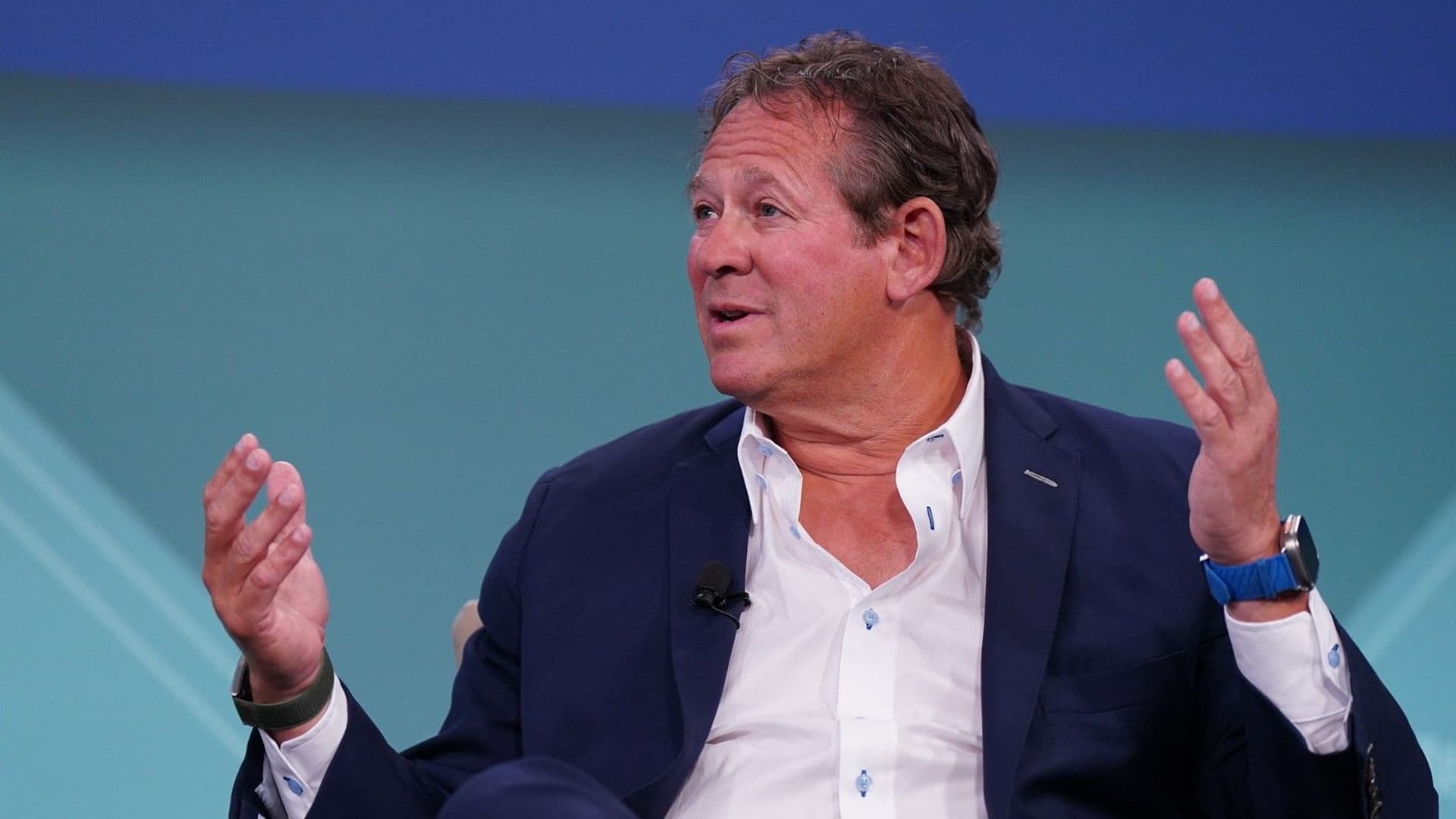
Income investors are facing a new environment now that Kevin Warsh is at the helm of the Federal Reserve — which presents them with some compelling opportunities, BlackRock’s Rick Rieder told CNBC. He anticipates a higher-interest rate environment, but with less volatility for a longer period of time. “I think we’re going to see lower forward guidance from the Fed, which people define as more volatility. I actually don’t think that’s right at all,” said Rieder, BlackRock’s chief investment officer for global fixed income. He believes the central bank will use more policy tools and focus less on the volatility of interest rates, as evidenced by Warsh saying at the June meeting that he tends to “focus on the left of the decimal point.” That suggests he’ll concentrate on the 2% inflation objective, and not as much on whether it is 2.0% or 2.9%. The Fed is also likely to place greater emphasis on where inflation, employment and growth are heading, which should enable it to quickly respond to a changing economy and build confidence in its long-term objectives, Rieder noted in the firm’s third-quarter outlook, released Thursday. For investors, that means enjoying the income bonds are now providing without the amount of rockiness seen in the past. “We’re in an environment where real rates are much higher than they’ve been for two decades,” he said in an interview with CNBC. “Revel in the glow of higher real rates and higher income, and with what I think will be a lower level of rate volatility.” Rieder anticipates the Fed will stay on hold for at least the next meeting and perhaps the one after that. His base case is no rate hikes this year, although he said he won’t write off one potentially in September. He sees the possibility of the central bank easing in 2027. Finding opportunities Rieder, who also manages the iShares Flexible Income Active ETF (BINC) , advises staying conservative on interest rate exposure right now and being patient. “I call it, in fixed income, dynamic patience, meaning just make sure you’re clipping the coupon, find the best opportunity,” he said. BINC YTD mountain iShares Flexible Income Active ETF year to date BINC, which has a 5.19% 30-day SEC yield and 0.40% net expense ratio, has its largest allocation in securitized products. “The securitized markets [are] still are providing value relative to the investment-grade credit market,” Rieder said. “The investment-grade credit market has got a lot of supply coming from data centers, hyperscalers. I don’t think investor grade credit in the U.S. is attractive at all.” Within securitized, Rieder sees opportunity right now in non-agency mortgages and commercial mortgage-backed securities due to their attractive yields. He said he also likes agency mortgage-backed securities, which have lower rate volatility than investment-grade corporate bonds. In addition, Rieder is diversifying into European credit. “You’re not going to get as much data center hyperscaler supply,” he said. “It’s built into the market that the ECB [European Central Bank] is going to be hiking three times. I like those yields you’re getting because, ultimately, you’re seeing the European growth dynamics slow.” He’s also being tactical in emerging markets in areas like Mexico, while being careful around the volatility of the U.S. dollar. Lastly, Rieder has been employing option strategies to sell rate volatility. He recently added some interest rate exposure in the last couple of weeks, making up a fraction of what he previously sold, and the strategies help add income to the portfolio. “Because we’re running a lower interest rate, we’re willing to functionally sell high strikes or sell puts, meaning we’ll buy our interest rate exposure at higher rates,” he explained. Selling high strikes refers to writing out-of-the money call options that have strike prices well above the current market price of the underlying asset. Selling puts means agreeing to buy an asset at a specified price before an agreed to expiration date. “Because I think rates are going to be in a range, I don’t think we’ll ever get executed on those puts,” Reier added. “So the idea being, we’ll buy more interest rate exposure at higher levels, and we’re willing to underwrite that today.” Looking ahead, Rieder could see an opportunity to add some more interest rate exposure, as long as tensions quiet in the Middle East.