(Bloomberg) — Oil climbed above $100/bbl for the first time in two months after Iran-backed Houthi militants said they attacked two Saudi Arabian tankers in the Red Sea, raising fresh concerns about global crude supplies as the Middle East conflict continues to escalate.
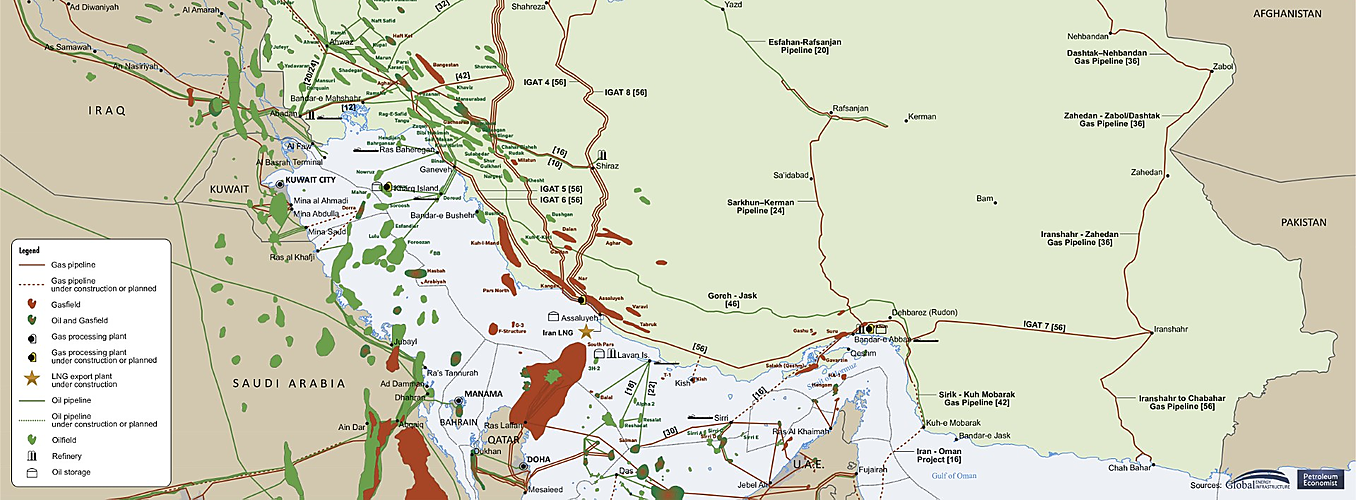
The attacks open a new front in a conflict that has already disrupted shipping through the Strait of Hormuz, the critical gateway for oil exports from the Persian Gulf. The Red Sea has served as an alternative route for some Saudi exports during the Hormuz disruptions, increasing concerns that prolonged attacks could further tighten global supplies.
The market is also contending with repeated attacks on the Caspian Pipeline Consortium (CPC) terminal on Russia’s Black Sea coast, which handles most of Kazakhstan’s crude exports. Together, the disruptions have heightened fears of a broader supply squeeze at a time when global inventories remain relatively low.
“Round 2 of the military conflict is going to be broader than round 1,” Bob McNally, president of Rapidan Energy Group and a former White House official, said in a Bloomberg Television interview. “The risks are great, not only to shipping, but also to energy infrastructure.”
Brent crude gained roughly 8%, extending its monthly rally to more than 35%, while physical crude markets also strengthened. Dated Brent, the benchmark for physical cargoes, climbed above $105/bbl for the first time since late May, and diesel futures reached their highest level since early April.
President Donald Trump also signaled the possibility of additional military action against Iran, telling Axios he is considering a “massive attack” larger than previous strikes. Analysts warn that continued escalation could push crude prices even higher, with some forecasting Brent could exceed $120/bbl if disruptions persist.
“The focus now shifts to Saudi Arabia’s response,” said Rebecca Babin, senior energy trader at CIBC Private Wealth Group. “While barrels can reroute via Suez, it’s a less efficient solution requiring smaller ships and longer voyages.”
Market indicators continue to reflect tightening supply conditions. Brent’s prompt timespread has widened to more than $6/bbl in backwardation, signaling strong demand for immediate crude deliveries, while premiums for Middle Eastern crude grades have also increased sharply.
At the same time, supply alternatives are becoming more limited. U.S. Strategic Petroleum Reserve inventories have declined significantly during the conflict, while crude inventories at the Cushing, Okla., delivery hub remain near operational minimum levels. Some tankers have already begun avoiding the Bab el Mandeb Strait at the southern end of the Red Sea, forcing longer and potentially more expensive voyages for shipments to Asia, although some vessels continue to transit the route despite the heightened security risks.
About The Author