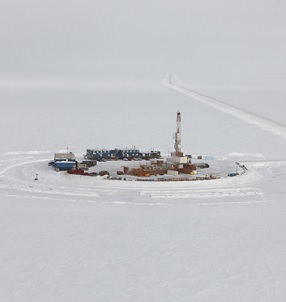
(WO) — Repsol reported stronger first-half upstream earnings as oil and gas production climbed to its highest level in two years, supported by new production from Alaska’s Pikka development and continued progress across its global exploration and production portfolio.
The company reported adjusted upstream net income of €673 million for the first six months of 2026, up 6.7% from the same period last year, while total group adjusted net income reached €2.711 billion. Overall net income was €2.201 billion, reflecting a positive inventory revaluation as higher crude prices increased the value of oil inventories.
Second-quarter production averaged 558,000 boed, up 4% from the previous quarter and the highest quarterly level in the past two years. Repsol said the increase was driven by several strategic upstream projects that are expected to support production growth over the near and medium term.
In Alaska, first-phase production from the Pikka development began in May and is currently producing about 20,000 gross boed. Output is expected to increase to 80,000 bpd during the third quarter. Repsol also reported successful completion of the Quokka-1 exploration well and said it was awarded 42 new federal exploration licenses in the state’s latest lease sale.
The company also highlighted progress on its Raia natural gas project in Brazil’s Campos basin, which is expected to begin production in 2028 and deliver between 40,000 and 50,000 boed net to Repsol. In Libya, Repsol was awarded two new exploration blocks during the country’s first licensing round in two decades.
In Venezuela, production remained stable at 71,000 boed. During the first half of the year, Repsol signed three agreements with the Venezuelan government and state-owned PDVSA to expand natural gas and oil production, including measures to increase output at the Cardón IV and Petroquiriquire assets and evaluate development of the Horcón area. The company also received its first crude cargo from Venezuela as payment for gas produced at Cardón IV and expects four additional cargoes before year-end.
“Our commitment remains to ensuring security of supply while advancing our strategic upstream projects,” CEO Josu Jon Imaz said, noting that geopolitical tensions have reinforced the importance of oil and natural gas in meeting global energy demand.
For full-year 2026, Repsol expects net production to average 560,000 to 570,000 boed, adding that output exceeded 580,000 boed during the first weeks of July.
About The Author