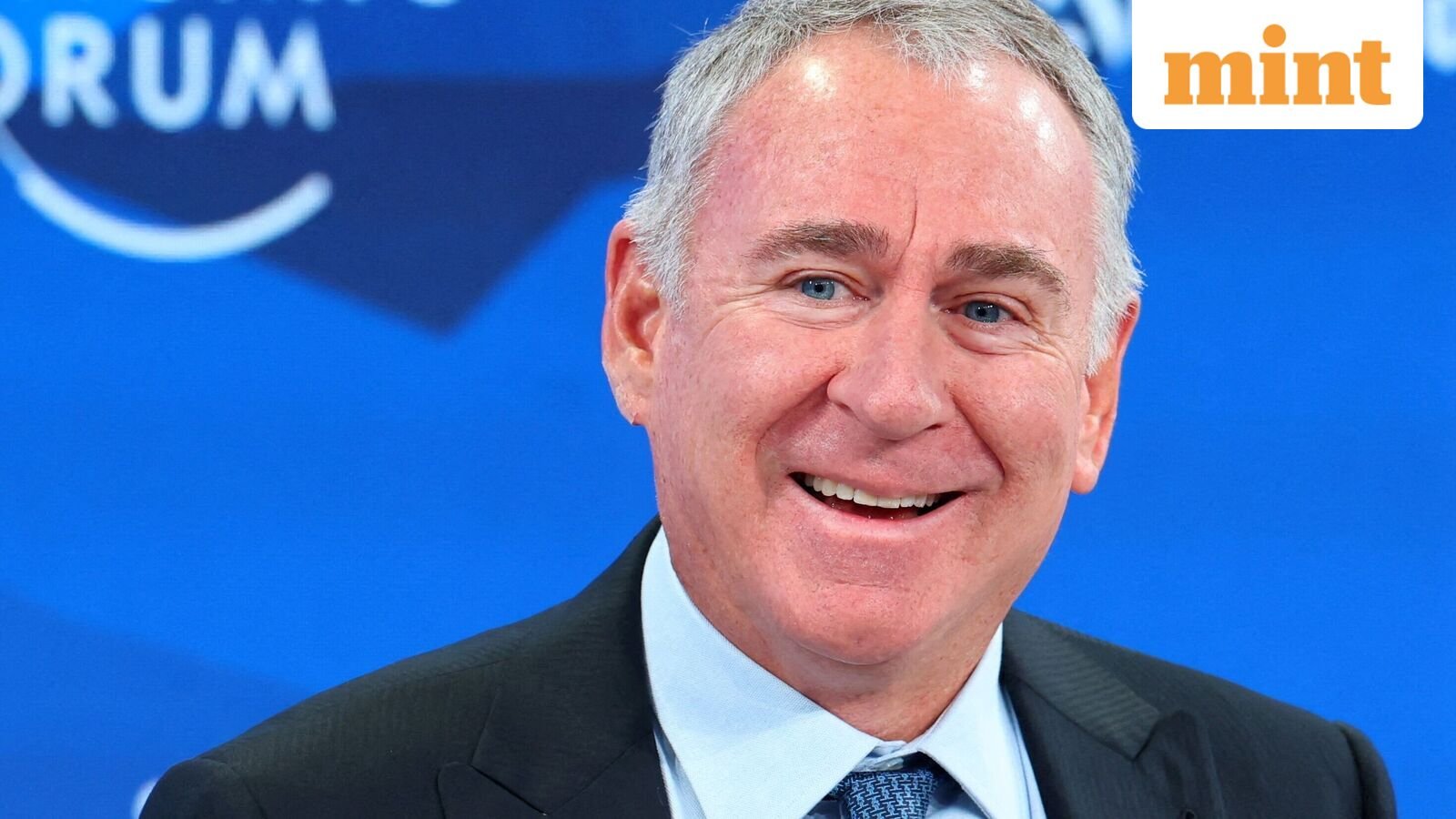
It’s practically an adage on Wall Street by now: You know you’re in trouble when Ken Griffin calls.
This time, it was Situational Awareness—once one of Wall Street’s hottest AI hedge funds—that found itself in distress. Few were surprised that Griffin leapt in to pick up the pieces at a discount, continuing a long tradition of profiting from market dislocations.
“Whether you describe that as being a saviour or a vulture probably depends on your perspective, but it’s better understood as a sophisticated provider of crisis capital than either,” Bruno Schneller, managing partner at multifamily office Erlen Capital Management, told Bloomberg. However, Griffin’s swift execution of the deal in less than 24 hours is likely to soften the blow for the hedge fund.
How Griffin picked Situation Awareness?
At its peak in July, Leopold Aschenbrenner’s AI hedge fund was sitting atop $45 billion in assets. In fact, before the decline, Situational Awareness racked up gains of more than 1,000% since inception
Several critics questioned Aschenbrenner’s credentials, noting that he had no prior money-management experience before starting Situational Awareness in July 2024 and suggested that his success was driven more by luck than expertise.
And then, as technology shares started to slide in the past few weeks, everything went downhill from there. Aschenbrenner’s lenders – Goldman Sachs Group Inc., JPMorgan Chase & Co. and Bank of America Corp., who were once happy to power his rise – were now unwilling to ride it out.
Aschenbrenner began liquidating positions to meet the barrage of margin calls, leaving investors to question what was behind the carnage.
By Wednesday morning, Citadel executives had reached out to Situational Awareness, and Griffin spoke directly with Aschenbrenner.
Together with Citadel co-Chief Investment Officer Pablo Salame, Chief Operating Officer Gerald Beeson, Perry Vais, its head of equity quantitative research, and Chief Legal Officer Shawn Fagan, Griffin pulled an all-nighter to analyse the trading book positions of Situational Awareness and how liquid the bets were, the sources said.
On Thursday, Aschenbrenner had sold all of his leveraged investments, including SK Hynix and CoreWeave, to Citadel at a discount. As a result, the fund’s assets shrank to around $10 billion
As the word spread quickly on Wall Street that Citadel had stepped in, an investor told Reuters, “There are only a few firms that could take down this much risk.”
However, there is now clarity on how much money Citadel has made on the deal, although many AI stocks in the portfolio have risen since then.
Why is Ken Griffin Wall Street’s go-to buyer in times of crisis?
For Griffin, distressed acquisitions have become routine. When such opportunities arise, he assembles a team of Citadel’s top executives to evaluate and execute the transaction. And eventually, Griffin taps a broader operational group at Citadel to clear and settle transactions, examine costs, and manage other logistics, the Bloomberg report says about his working style.
At times, Citadel’s prowess has helped it scoop up employees. In 2001, just hours after Enron filed for bankruptcy, Griffin snapped up the energy giant’s quant research team. “The talent you want to hire is the talent you want to pull from someone else,” Griffin said in 2016.
Other times, he’s been able to buy portfolios at discounts. The Situational Awareness deal is not the first of its kind for Griffin. In 2006, he bought natural gas positions from Amaranth Advisors at a discount after the hedge fund suffered $6.6 billion in losses and later collapsed.
“They will likely make a lot of money on Situational Awareness,” J. Dennis Jean-Jacques, founder of hedge fund Ocean Park Investments told Bloomberg. “The question is, can you be patient while you’re waiting for the fat pitch, and can you go in swinging when the fat pitch comes? Citadel can and does.”
Investors also stand to gain when Griffin takes charge. When he leads a deal, investors typically do not have to bear the cost of portfolio managers’ compensation.
(With inputs from Reuters and Bloomberg)
About The Author