SpaceX's earnings are not helping its stock, but Nvidia is getting a boost
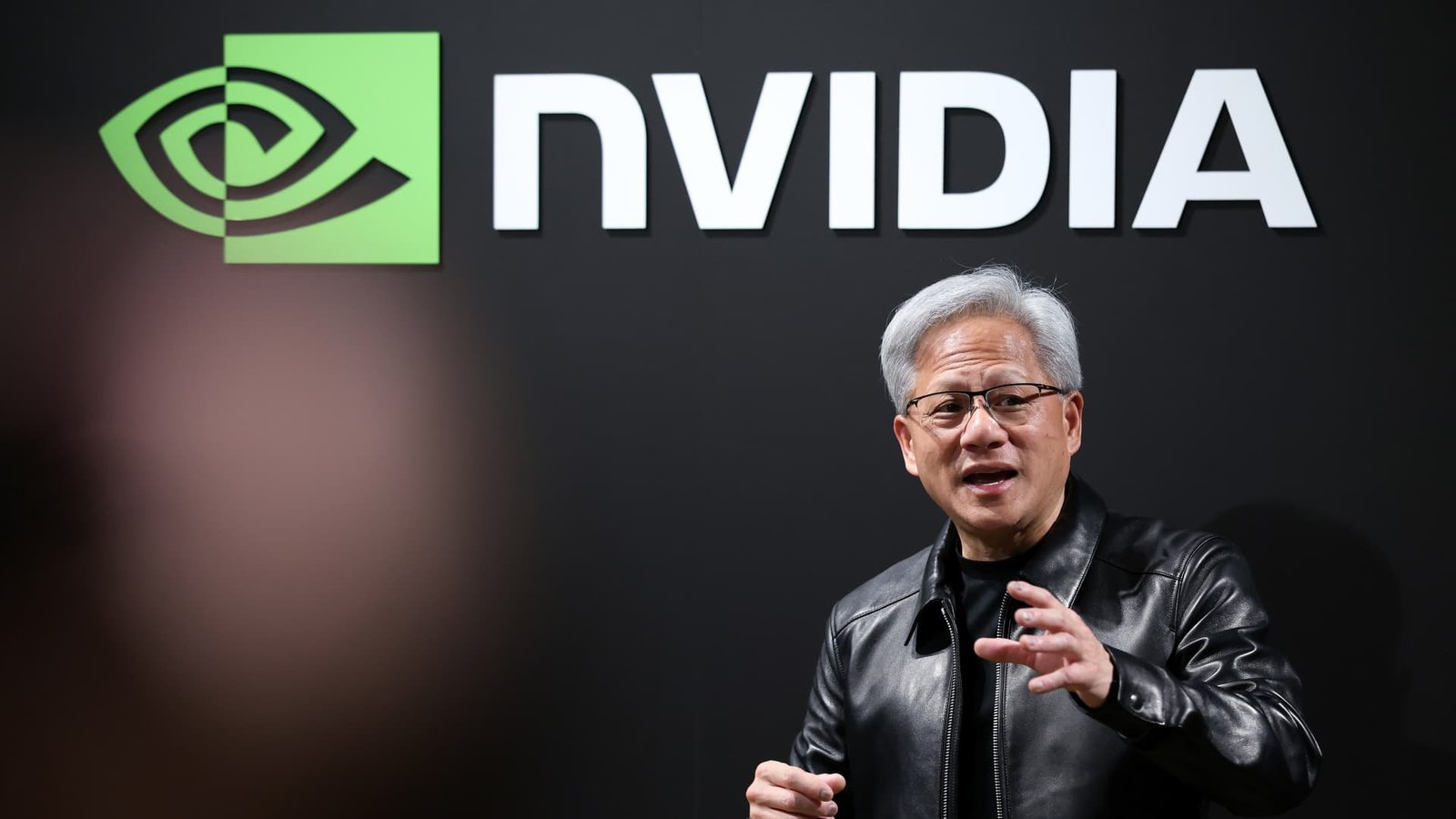
SpaceX tumbled after the rocket company unveiled its second-quarter results, though Nvidia emerged as a big winner. The company reported better-than-expected top and bottom-line figures, but second-quarter capital expenditures of $18.4 billion blew past estimates — sending SpaceX shares down more than 7%. Nvidia, meanwhile, gained more than 3% as Elon Musk said the chipmaker would be SpaceX’s “exclusive” chipmaking partner for its AI infrastructure buildout. The diverging stock moves reflect a hallmark in the artificial intelligence expansion: Hyperscalers are facing pressure from investors for their AI spending, while chipmakers get rewarded with more money coming their way and their shares rising. Analysts on Wednesday were excited that Musk’s comments could substantiate Nvidia CEO Jensen Huang’s blockbuster prediction from March that his company’s flagship processors could generate $1 trillion in annual revenue through 2027. “If it proves credible, this is the kind of a spending intention that could finally get Jensen Huang to formally forecast that he has a line of sight to $1T in revenue well before 2030,” Melius Research analyst Ben Reitzes wrote in a note to clients. NVDA 5D mountain NVDA 5 day. Chris Caso of Wolfe Research took Musk’s comments to mean that SpaceX would add about 6 gigawatts of additional Nvidia computing power in 2027. At $35 billion per gigawatt, “this translates to close to $200 billion in potential revenue for NVDA in calendar year 2027,” he wrote in a Wednesday note to clients. Nvidia reports fiscal second-quarter results on Aug 26. That’s when CEO Jensen Huang could either confirm or walk back the scale of the projected demand. Musk’s case for spending on that scale rests partly on economics he openly called guesswork on the earnings call. Asked by Morgan Stanley’s Adam Jonas on Tuesday how much confidence he had in his line of sight, Musk said his “best guess” for the annual revenue each gigawatt of Nvidia’s Rubin systems could generate was “somewhere between 30 and $50” billion, then added, “This is just a guess.” He also conceded he doesn’t expect to reach the 20-gigawatt target he floated, saying that if a quarter of the projects slip, SpaceX would likely land “close to 15.” The question for Wall Street now is how quickly SpaceX can build out this infrastructure, how it will be financed, and whether that financing will involve more circular deals, potentially involving Nvidia itself? “This commentary will be all anyone talks about [on Wednesday], along with debates around Elon’s ability to actually deliver it within a realistic timeframe, how it will be financed, and what role Nvidia may play in that financing,” Reitzes at Melius wrote. On the Tuesday call, Musk said that SpaceX has decided to “build exclusively on Nvidia,” a comment that Dauvin Peterson at 22V Research called “prolific” for its implications. Musk said in May that SpaceX would be using both AMD and Nvidia processors in its hardware buildout. AMD is down more than 7% following earnings, which showed an increase in capex to $808 million in the second quarter — more than double the amount from the previous year. In a Tuesday note, Wells Fargo analysts said that SpaceX’s AI division “was a highlighted hardware partner with AMD … GPUs at AMD’s Advancing AI 2025 event” in June.