(WO) — Occidental President and CEO Richard Jackson used the company’s second-quarter earnings release to reinforce a strategy centered on maximizing existing assets, strengthening the balance sheet and delivering long-term free cash flow growth through disciplined execution.
“Our second quarter results demonstrate the strength of Oxy’s resources and the competitive advantages that position us for continued value creation,” Jackson said.
He said the company is focused on unlocking greater value from its portfolio through advanced recovery technologies, value-based development and continued cost efficiencies while maintaining a disciplined financial approach.
“We are unlocking more from our assets through our industry-leading advanced recovery capabilities and differentiated value-based development approach,” Jackson said. “At the same time, we remain focused on executing from a strong balance sheet, organically improving our resources and continuing to deliver cost efficiencies.”
Jackson said those priorities are expected to drive significant free cash flow growth through 2030 while supporting long-term shareholder value.
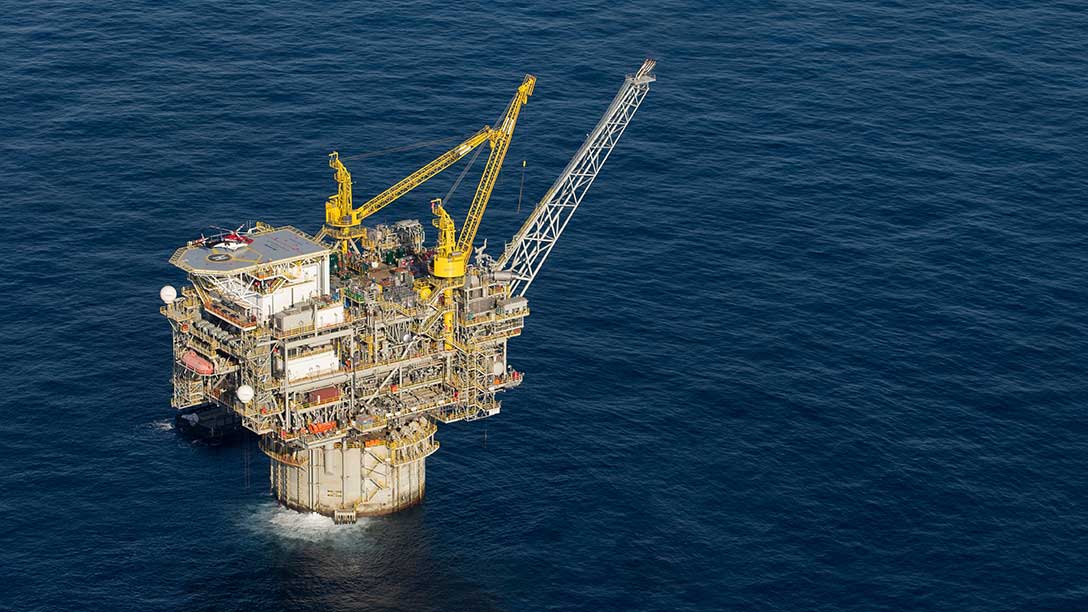
Operationally, Occidental exceeded the high end of its second-quarter production guidance, averaging 1.433 MMboed, with the Permian basin and Gulf of America/Mexico business units leading performance.
The company also continued to strengthen its balance sheet, reducing principal debt by $1.9 billion during the quarter to $11.8 billion, moving closer to its long-term target of $10 billion. Occidental generated $5.1 billion in operating cash flow from continuing operations and $3.0 billion in free cash flow before working capital—the company’s highest quarterly free cash flow since the third quarter of 2022.
The board also approved an 8% increase in the quarterly dividend to $0.28 per share, payable Oct. 15.
Second-quarter oil and gas pre-tax income benefited from significantly higher realized crude prices, while worldwide production exceeded company guidance as strong performance in the Permian and U.S. Gulf offset weaker domestic natural gas pricing.
About The Author