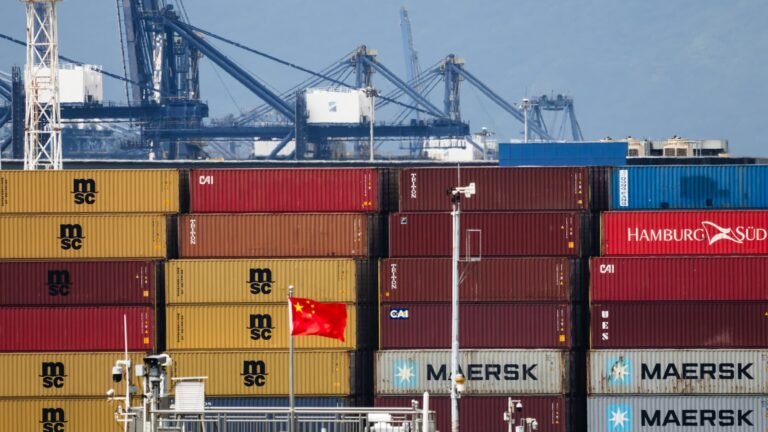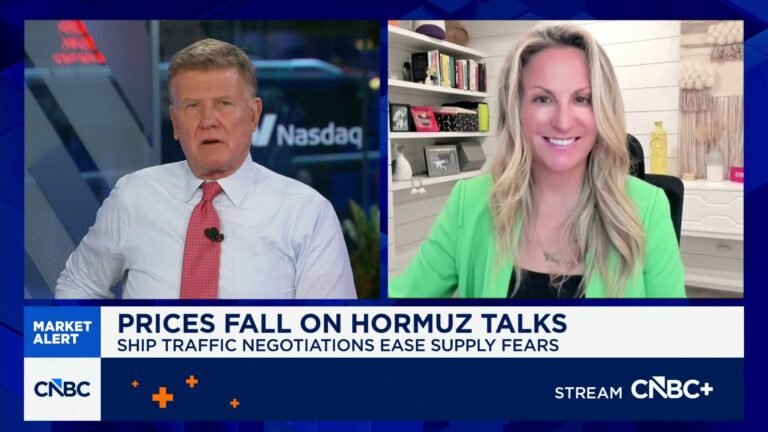
US-Iran war: Oil continued its rise on Friday amid further concerns around the opening of the Strait of Hormuz as Iran, working with Oman, suggested banning vessels deemed hostile from the strait and heavily fining those who violated the proposed rules.
Brent crude futures rose 99 cents, or 1.2%, to $83.48 a barrel. US West Texas Intermediate futures rose 85 cents, or 1.1%, to $78.84.
What’s driving crude oil prices today?
Oil prices rose by more than $3 per barrel on Thursday after Iran reviewed a proposed bill to bar US and Israeli vessels from passing through the Strait of Hormuz, a key shipping route that handled nearly one-fifth of global oil and liquefied natural gas (LNG) trade before the conflict erupted at the end of February.
Crude prices had declined earlier in the week amid hopes of a diplomatic breakthrough. However, global benchmark Brent crude climbed back above the $80-per-barrel mark on Thursday after slipping below that level for the first time since July 13.
According to Iran’s Fars news agency, a parliamentary committee is examining draft legislation that would prohibit US, Israeli, and other vessels considered hostile from transiting the Strait of Hormuz. The proposal also includes penalties of up to 20% of a cargo’s value for ships violating the restrictions.
Iran is also seeking transit fees of 5% to 7% of cargo value from ships using the strait, while Oman is discussing a fee of around 3%. The United States, however, is pushing for unrestricted passage without any transit charges.
Industry sources were quoted as saying by Reuters that implementing such a deal would be challenging due to existing US sanctions and insurance-related restrictions on payments.
Separately, Yemen’s Houthi rebels claimed responsibility for missile and drone attacks targeting Saudi deployments in Yemen’s Marib and Hadramout regions on Thursday.
(With inputs from Reuters)
Disclaimer: This story is for educational purposes only. Please consult with an investment advisor before making any investment decisions.
About The Author