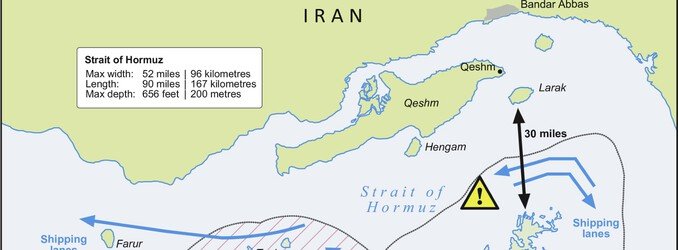
(Bloomberg) — Prospects for reopening the Strait of Hormuz remained uncertain Sunday after Iran ruled out direct negotiations with the United States, signaling that a shipping agreement for the critical energy chokepoint may not be imminent.
Iranian Foreign Minister Abbas Araghchi said Tehran would not resume direct talks while accusing Washington of violating a short-lived memorandum of understanding reached earlier this year. According to Iranian state media, Araghchi said messages continue to be exchanged through intermediaries rather than through direct negotiations.
The comments come after Iran recently indicated that an agreement with Oman to establish a temporary shipping route through the Strait of Hormuz was close. However, Tehran has since reiterated a series of conditions for a broader reopening of the waterway, including the lifting of sanctions, an end to the U.S. naval blockade on Iranian ports, the withdrawal of U.S. military forces from around Iran and the release of frozen Iranian assets.
Oman, which has been mediating discussions, said talks with Iran continue in a “positive and constructive atmosphere” and urged all parties to avoid actions that could undermine diplomatic efforts.
The Strait of Hormuz, through which roughly one-fifth of the world’s oil trade normally passes, has remained heavily disrupted since the conflict began earlier this year. While limited cargo movements have continued under escorted shuttle operations, commercial shipping has yet to return to normal levels.
Regional security concerns also persisted over the weekend after Yemen’s Houthi movement claimed responsibility for a drone strike on Saudi Aramco’s Jizan refinery. Saudi authorities reported a fire at the facility had been extinguished with no injuries, though they did not identify the cause. The Houthis have recently expanded attacks targeting Saudi shipping and energy infrastructure in the Red Sea.
Oil markets continued to monitor developments closely, with Brent crude holding above $83/bbl as traders weighed the prospect of a prolonged disruption to Middle East energy exports against the possibility of a diplomatic breakthrough.
About The Author