US stock futures were coming off a solid three-week winning run as tensions in the Middle East escalated over the weekend, keeping crude oil prices higher and offsetting falling expectations of a rate hike.
Futures tied to the S&P 500 rose 0.1%, while Nasdaq 100 futures gained 0.5%. Dow Jones Industrial Average futures slid 88 points, or 0.2%. In pre-market trade, Alibaba and Intel shares were up 1.5% each, while SoFi Technologies gained 2%.
All three indices closed higher for the last three weeks, with the S&P 500 notching a fresh all-time high, as a blockbuster earnings season buoyed investor sentiment. Robust earnings from several megacap companies eased some valuation concerns, drawing investors back towards AI.
In addition, benign inflation reports and weaker-than-expected retail sales last week have reduced market expectations of a Federal Reserve rate hike in the coming month.
Markets now see roughly a 67% probability that the Fed will hold rates in September, up from a below-50% chance priced in a month earlier.
Investors are now awaiting the FOMC’s latest meeting minutes and Fed Chair Kevin Warsh’s speech at the Jackson Hole symposium for further guidance.
US-Iran tensions remain high as Hormuz blockade continues
As the earnings season comes to an end, investors shift their focus to West Asia as talks remain stalled, while US President Donald Trump threatened to bomb Oman if the country gets in the way of the US blockade of Iranian ships in the Strait of Hormuz, Bloomberg reported, citing Fox News.
In a phone interview, Trump told the network that if “Oman gets in the way, we’ll bomb the s—— out of them.” He also said that the blockade is putting pressure on Iran and that he has no timeline for resolving the conflict, declaring that he isn’t in a hurry.
Iran reportedly said on Monday that it is working to finalise a joint statement with Oman on a plan to manage the transit of ships through the Strait of Hormuz, AP reported.
The announcement came as the 60-day negotiating period to find a peace deal between the US and Iran was expiring, with no word of an extension and both sides seemingly as far apart as they were two months ago.
Iran effectively closed the strait—through which roughly one-fifth of the world’s traded oil supplies passed before the war—after Israel and the US attacked the country on 28 February.
Oil extends gains
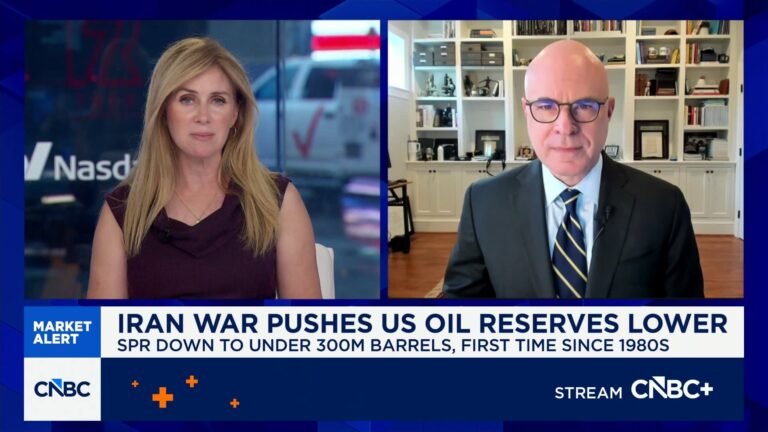
Oil edged higher as fresh fighting in Lebanon and attacks on vessels in the Strait of Hormuz muddied the outlook for a deal to end the US-Iran war. Brent traded near $89 a barrel after gaining 6% last week, while WTI crude futures jumped to $83.21 per barrel.
Lebanon saw its deadliest day of fighting in months on Sunday, as Israel struck Tehran-backed Hezbollah, as per the Bloomberg report.
Wider negotiations between Iran and the US appeared to be at a standstill. Brent has rallied by more than 45% this year, with Washington’s war against Tehran now in its sixth month, including a full naval blockade of the Islamic Republic’s ports.
Trump has signalled that the administration intends to hit Iran’s economy even harder and said he didn’t care whether the conflict ended before the November midterm elections. Last week, Treasury Secretary Scott Bessent said new economic curbs could be unveiled this week.
(With inputs from Bloomberg)
Disclaimer: We advise investors to check with certified experts before making any investment decisions.
About The Author