Meta CEO Mark Zuckerberg leaves the federal courthouse in downtown Los Angeles after defending the company in a landmark social media addiction trial, Feb. 19, 2026.
Jon Putman | Anadolu | Getty Images
Meta‘s watershed social media trial just wrapped up in California, but now attention is shifting to the wider industry with TikTok, YouTube and Snap next on the firing line.
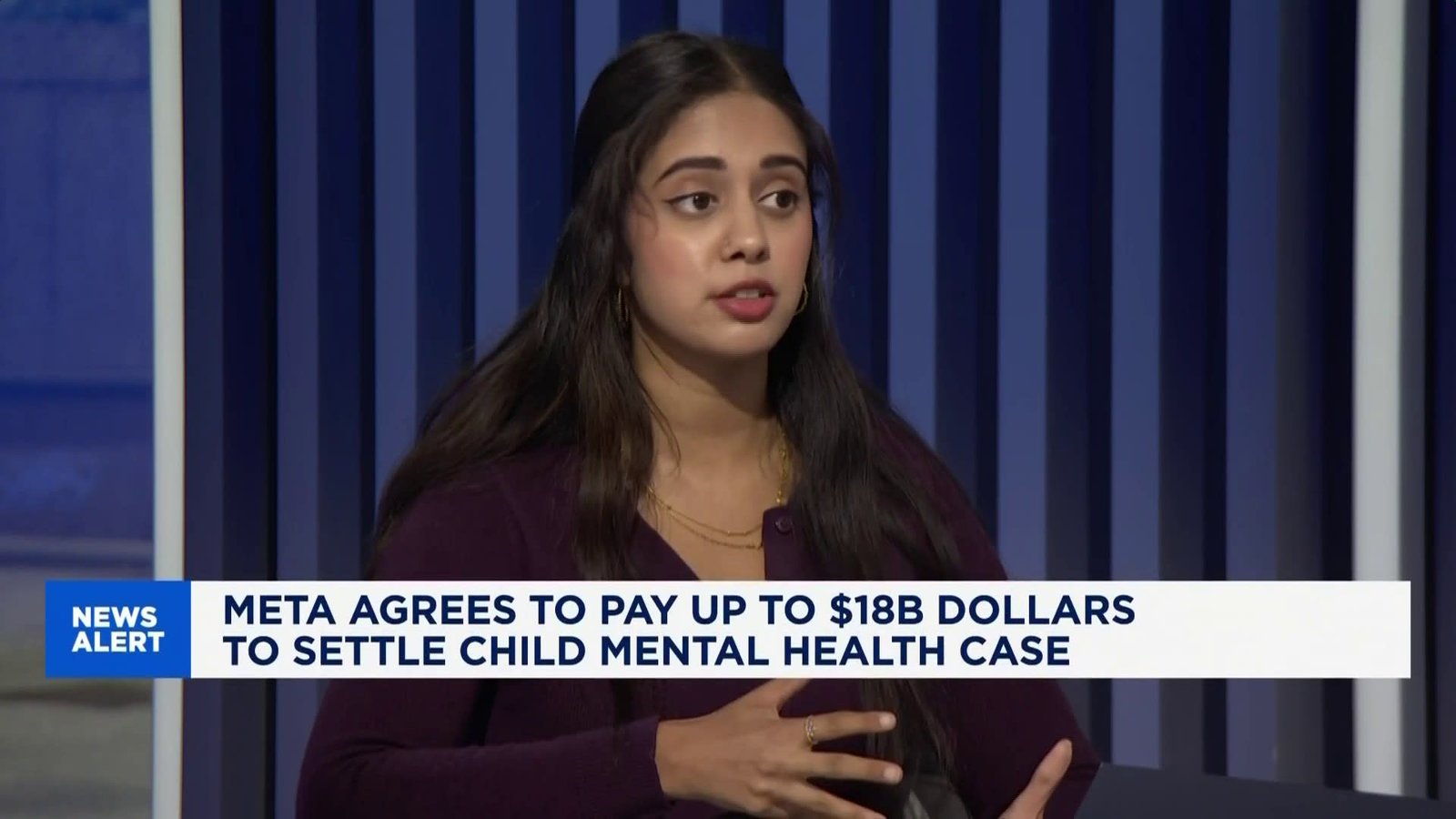
The Instagram and Facebook owner settled in week two of a trial brought by a coalition of tens of U.S. states alleging that the tech giant had misled the public about the harms its platforms posed to younger users.
The agreement includes a payment of up to $18 billion, part of which is tied to conditional action by other social media giants. Meta said it would also make fundamental changes to its platforms for users under the age of 18, including but not limited to a 2-hour daily usage limit that only a parent can lift, disabling extreme makeup and cosmetic surgery filters, tighter age verification measures, and night mode.
Meta said it would only pay 70% of the settlement, or around $12.7 billion to the states over a period of 10-years. The remaining $5.3 billion is conditional on the company’s rivals TikTok and Alphabet‘s YouTube also making similar changes to their apps for younger users.

California’s Attorney General Rob Bonta, a co-lead in this case alongside New Jersey, Colorado, and Kentucky, said Meta’s settlement “gives notice to others in the industry that we’re not done, and we expect similar outcomes from them as well.”
“No company wants whatMetafaced in Oakland,” Rob Lalka, a professor of practice in management at Tulane University and author of “The Venture Alchemists: How Big Tech Turned Profits Into Power,” told CNBC.
“I’d expect TikTok, YouTube, and Snapchat to make changes before they ever face that scene. These platforms depend entirely on being trusted, by parents, by users, by advertisers, and the settlement reflects a business decision about reputational risk, which now the boards of these other companies must also make,” Lalka added.
CNBC has contacted YouTube, TikTok and Snap for comment.
Social media giants were already facing increased pressure this year as governments worldwide consider enforcing teen social media bans. Meanwhile, Meta, TikTok, YouTube and Snap have faced a litany of lawsuits.
Meta and YouTube lost in a social media addiction trial in Los Angeles earlier this year, which was brought by a plaintiff who claimed her mental health was damaged by addictive features like autoplay and infinite scrolling.
Meta also lost a separate social-media case brought by New Mexico Attorney General Raul Torrez, after a court found that the company violated the state’s child-safety laws and ordered it to pay over $900 million in penalties.
‘We’re continuing our fight’
Now that the Meta case has been settled, California’s Bonta said, “We’ll be continuing our fight across social media,” by pursuing lawsuits against the big players like TikTok, Snap and YouTube.
In an interview with CNBC on Thursday, Bonta said he approved of Meta calling out other platforms in the settlement. “That is appropriate. This is something that requires an industry-wide solution.”

He explained that the state of California is currently pursuing active litigation against TikTok.
“We are suing TikTok now so we are looking to ensure that they adopt the similar practices and commitments that Meta did, and we are very interested in Snap and YouTube as well,” Bonta said.
Bonta, New York’s Attorney General Letitia James, and 14 other state attorneys filed a lawsuit against TikTok in 2024 for violating consumer protection laws. They said that TikTok harms younger users with addictive features that maximize the amount of time they spend on the platform. The case is ongoing.
Bonta added that the state is in communication with Snap, and is pursuing conversations with TikTok, with hopes that YouTube will also come to the table.
While Meta is attempting to frame itself as a leader on online youth safety, it neglected those issues for years, according to Lalka.
“Let’s be clear about how we got here. It took attorneys general stepping in after the harm was already done, because Congress never passed a law to prevent it.
“These new rules didn’t come from elected policymakers, they were negotiated in a settlement with the company being regulated, andMetais seeking to ensure its competitors will face the same rules,” Lalka said.
About The Author