The Indian stock market is set to reopen on Tuesday, 15 September, after a holiday-shortened week, with investors closely tracking the US Fed interest rate decision, domestic inflation data, crude oil prices and developments in West Asia.
The Bombay Stock Exchange (BSE) and National Stock Exchange (NSE) will remain closed on Monday, 14 September, on account of Ganesh Chaturthi 2026. Trading will resume on Tuesday.
Sensex, Nifty 50 extend losing streak
Indian equities ended lower for the fifth consecutive week, as elevated crude oil prices, rising global bond yields and concerns over US inflation continued to weigh on investor sentiment.
The benchmarks started the previous week on a weak note and remained under pressure for most of the trading sessions. The Sensex declined 2.27% over the week to close at 74,781.76, while the Nifty 50 fell 2.09% to end at 23,398.10.
Broader markets also witnessed selling pressure. The midcap index slipped 1.40%, while the smallcap index declined 0.88% during the week.
On Friday, the 30-share BSE Sensex fell 120.83 points, or 0.16%, to settle at 74,781.76. Nifty 50 declined 79.70 points, or 0.34%, to close at 23,398.10.
Three factors to drive the Indian Stock Market this week
FPI Flows and US bond yields
FPI flows and rising US bond yields are likely to remain key factors for Indian equities this week, according to Dr V K Vijayakumar, Chief Investment Strategist, Geojit Investments Limited.
“FPI flows will be significantly influenced by the Iran-US conflict and the consequent impact on crude prices,” Vijayakumar said. He noted that elevated crude prices and higher inflation could lead to tighter monetary policy and further rise in bond yields.
Vijayakumar warned that if the US 10-year Treasury yield moves towards 5%, global equity markets could see a sharp correction. In such a scenario, FPIs could turn sellers and shift money towards high-yielding bonds.
2. Crude Oil
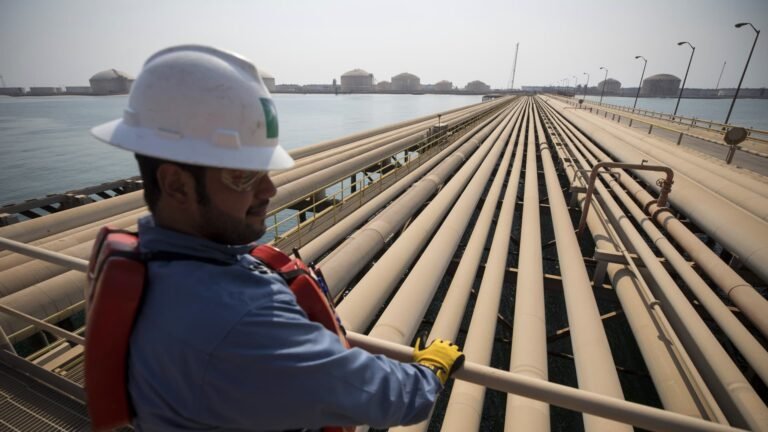
For India, crude oil prices remain one of the biggest external risks. Any renewed surge in oil prices, particularly if disruptions to Middle East energy supplies intensify, could add to inflationary pressures.
Higher crude prices could increase India’s import bill, put pressure on the rupee, widen the current account deficit and squeeze corporate profit margins.
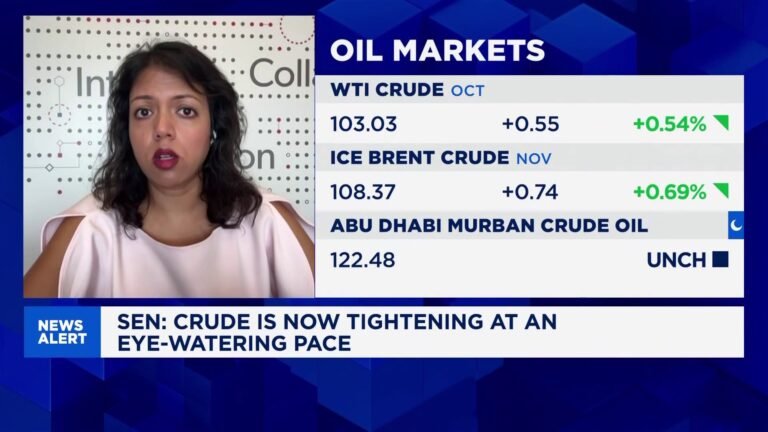
Crude oil prices and geopolitical tensions in West Asia will remain among the biggest drivers of market sentiment, according to Ajit Mishra, SVP, Research at Religare Broking.
Mishra said escalating US-Iran tensions have raised concerns about disruptions to global energy supplies, while Brent crude retesting the $110-per-barrel mark has intensified worries about imported inflation, the current account, corporate margins, and the rupee.
Vinod Nair, Head of Research, Geojit Investments Limited, also said a sharp spike in crude oil prices, geopolitical uncertainty and foreign outflows could keep volatility elevated in the near term.
3. Fed Rate Decision
The September 15-16 FOMC (Federal Open Market Committee) meeting is expected to be the biggest global market event of the week.
The US Federal Reserve’s interest rate decision and key domestic inflation data will be closely watched this week, according to Ajit Mishra of Religare Broking.
The Fed’s monetary policy decision and commentary on the future path of interest rates will be the key global trigger. Investors will closely assess the policy statement and comments from Fed Chair Warsh for clues on inflation, economic growth and the future rate trajectory.
Apart from global cues, investors will also monitor domestic inflation data for signs of price pressures in the Indian economy.
On the domestic front, August CPI and WPI inflation data, followed by unemployment and trade balance figures, will remain in focus. The latest foreign exchange reserves data, due on 18 September, will also be monitored closely amid pressure on the rupee from elevated crude oil prices.
Disclaimer: This story is for educational purposes only. The views and recommendations above are those of individual analysts or broking companies, not Mint. We advise investors to check with certified experts before making any investment decisions.
About The Author