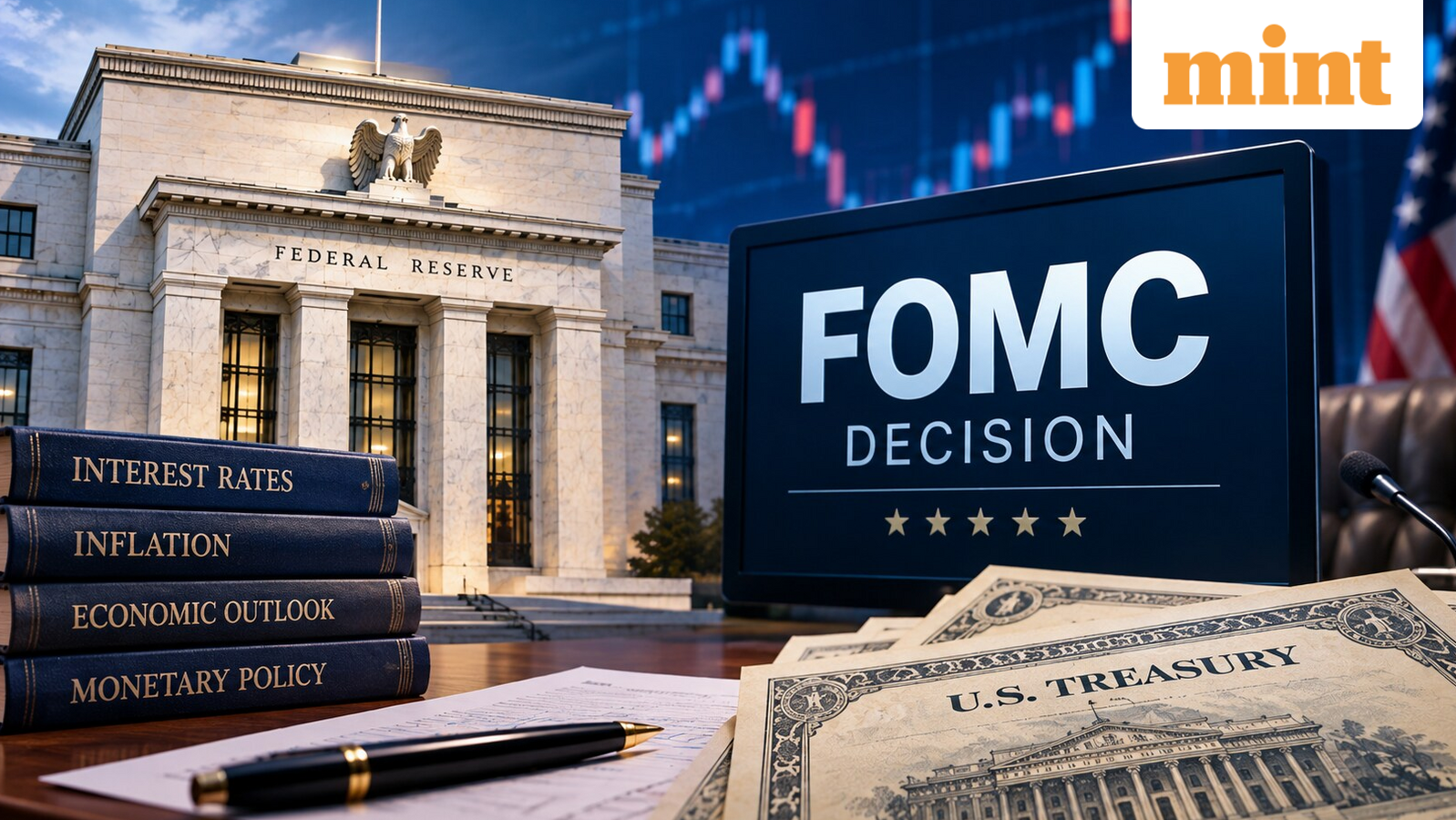
US Treasuries remained largely flat in Wednesday’s trade, September 16, as traders awaited the Federal Reserve’s latest interest-rate decision and updated economic projections before placing fresh bets on the path of monetary policy.
The US 10-year Treasury yield, a benchmark for mortgage and auto loan rates, was little changed at 5.004%, a day after reaching its highest level in 19 years.
The 2-year Treasury note yield, which is more sensitive to the Federal Reserve’s short-term interest-rate policy, was also unchanged at 5.409%. Earlier this month, the yield reached its highest level since July 2024.
Yields on 30-year Treasuries were similarly flat at 5.372%. The relative stability in yields comes after Treasury markets faced pressure in recent weeks as rising crude oil prices and persistent inflation concerns raised expectations around the Fed’s interest-rate path.
The recent surge in crude oil prices followed attacks exchanged between the US and Iran earlier this month after a month-long lull. Higher energy prices have added to inflation concerns in the world’s largest economy, where price pressures have remained above the central bank’s 2% target for an extended period.
These concerns were reinforced by the latest inflation data, with the two key inflation reports coming in hotter than expected and strengthening expectations around the Fed’s rate decision.
At the same time, resilience in the labour market has added another layer of uncertainty to the central bank’s policy outlook.
Will the Fed deliver its first rate hike since 2023?
Money markets are currently pricing in a more than 90% chance of a quarter-point rate hike, with another move also fully priced in by December.
If the rate hike is announced today, it would mark the Fed’s first-rate increase since 2023. The last time the Federal Reserve raised the federal funds rate was on July 26, 2023, when it increased the target range by 25 basis points. The Fed initially held rates at that level before beginning a series of cuts, with the most recent reduction coming in December 2025.
With the rate decision now in focus, investors are also expected to closely watch Fed Chair Kevin Warsh’s post-decision remarks for clues on the inflation outlook and the likely path of interest rates.
Warsh was nominated by US President Donald Trump earlier this year amid expectations from the Trump administration that the Fed would move towards lower interest rates.
What will happen to US bond yields if the Fed announces a rate hike?
A Federal Reserve rate hike could put further upward pressure on US Treasury yields, which are already hovering near multi-decade highs. Higher yields typically translate into increased borrowing costs across the economy, adding pressure on consumers already dealing with elevated energy prices and higher import costs amid ongoing trade tensions.
The move could also reinforce the recent sell-off in global bonds, as investors demand greater compensation for inflation risks and rising government debt levels.
The impact could be particularly relevant as hyperscalers announce massive spending plans to expand AI infrastructure. For households, the combination of higher borrowing costs and elevated energy prices could further squeeze budgets. This could weigh on consumer demand if households have less disposable income available for spending.
A rate hike would also come against the backdrop of continued pressure from US President Donald Trump for lower interest rates. Trump has argued that sharply lower borrowing costs could help unleash a significant economic expansion, putting his preference for easier monetary policy at odds with the Fed’s rate-setting approach.
Disclaimer: We advise investors to check with certified experts before making any investment decisions.
About The Author