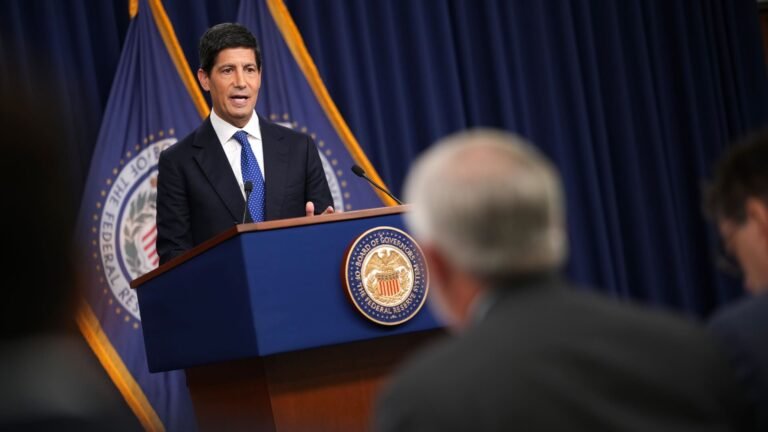

Federal Reserve Votes to Raise Interest Rates
After months of infighting at our nation’s central bank, everyone on the Federal Reserve board agreed it had to be done. The Fed hiked interest rates by a quarter point to battle inflation that has stood above the central bank’s 2% target for five years.

The vote was unanimous, 12-0, to bump up the benchmark rate to 3.75-4.00%, marking the Fed’s first interest rate increase in three years.
Given the high rate of inflation, calls for the Fed to take action have been growing in recent weeks. Failure by the Fed to deliver on a rate hike today would have called into question the credibility of the central bank under the new leadership of Chairman Kevin Warsh.
Markets React
Gold edged slightly lower on the news. Higher interest rates typically weigh on precious metals as they don’t pay interest. Stocks slipped, the U.S. dollar index jumped, and Bitcoin traded lower. Heading into today’s Fed meeting, market participants had odds of a rate hike at 90%, so overall market reactions were generally muted.
The Why Behind the Fed’s Move
August consumer price index inflation came in hotter-than-expected, up 0.4% to a 3.4% annual rate. There is growing concern among economists that inflation is broadening into the wider economy as crude oil trades above $100 a barrel, its highest level since May.
The energy price shock from the U.S.- Iran war has intensified, pushing diesel prices to a record high this week. It’s not just the U.S. war in Iran that is creating a bottleneck in global energy supplies; Ukrainian strikes on Russian oil infrastructure are also worsening the situation.
The Safety of Gold in the Midst of Uncertainty
Since late June, investors have been turning to the safety of gold as geopolitical risk and uncertainty have climbed. Gold has climbed from $3,988 to above $4,600 last month.
A Brutal Mix of Higher Inflation, Higher Yields
Rising energy costs are working their way through the economy with higher airline fares and shipping costs that get passed along to customers. There are concerns that inflation may be getting away from the Fed, which has been hesitant to act in recent months.
As energy prices have climbed in recent weeks, so have U.S. Treasury yields, with the 10-year recently topping the 5% mark. The 30-year mortgage rate climbed to almost 7% last week, the highest level in a year. Before the U.S. started bombing Iran in February, the 30-year mortgage rate stood at 6%.
“Inflation remains elevated. Today’s policy action will support a timelier return to the committee’s 2% goal,” the Fed board said in a statement pointing to the official inflation target.
Is The Fed Serious About Getting Inflation Down?
Today is less important than what lies ahead in the future. The Fed’s new economic projections reveal most board members expect one more quarter-point hike in 2026.
It begs the question: Will that be enough to tame the inflation that has ravaged Americans for five years running?
Big picture, the Fed has failed to deliver price stability in the past five years. In the meantime, the U.S. national debt recently topped $40 trillion. This has opened the door to growing pressure from inside our government to lower interest rates in part to get cheaper financing of our nation’s debt. Yet lower interest rates can’t solve the national debt problem and would erode the U.S. dollar’s purchasing power through even higher inflation.
Where Was Gold Five Years Ago?
For just as long as inflation has been above the Fed’s target, gold has been climbing. Looking back five years ago, in September 2021, gold stood at $1,777 an ounce. Today, gold trades at $4,296. Gold has delivered a 142% gain over the past five years.
About The Author