Nvidia is back in the spotlight after a sharp recovery from a brutal two-month sell-off that erased more than $1 trillion from the world’s most valuable company’s market capitalisation.
The chipmaker’s shares surged as much as 3% on Friday, briefly touching an intraday record high of $237.88 per share on NASDAQ, before paring gains and ending 1.3% higher at $233.95.
The latest rally has taken Nvidia shares about 23% higher from their late-July low, when concerns around the outlook for artificial intelligence weighed heavily on the stock. Friday’s move also brought the shares close to their previous record high from May, although they ultimately finished just below that level.
The tech stock also soared 45% from its 52-week low of $164.27, hit in May 2026.
Nvidia’s market value now stands at roughly $5.6 trillion, putting the company less than $400 billion away from the $6 trillion mark. If reached, that would make Nvidia the first company in history to achieve the milestone.
The recovery comes after investor sentiment towards the AI trade shifted sharply over the past few months. Questions around the huge amounts being spent on AI infrastructure had weighed on the stock, raising concerns about whether the spending spree could continue at its current pace.
Nvidia stock performance
Nvidia’s shares have gained about 25% so far this year, putting the company on course for its fourth consecutive year of double-digit returns. The latest recovery has therefore helped Nvidia regain much of the ground lost during the sell-off and restored investor enthusiasm around the stock.
Meanwhile, it has also given strong returns in the near term, soaring 20% in 3 months and 32% in 6 months. In the last 5 years, the US tech stock has given multibagger returns, jumping over 1000%
AI agents fuel fresh optimism around Nvidia stock
One of the key factors supporting Nvidia’s latest rebound has been renewed optimism that the next stage of artificial intelligence could generate additional demand for semiconductors.
Investors have increasingly focused on AI agents, which can perform tasks with greater autonomy. Developments such as Meta Platforms’ Muse have added to expectations that the growing use of AI agents could translate into higher demand for the computing power required to run them.
That has helped shift the focus back towards Nvidia’s position in the AI ecosystem after concerns about excessive spending had dominated the stock’s narrative.
However, the company’s enormous valuation also means that developments in the AI industry continue to have an outsized impact on its shares. Any change in expectations around AI infrastructure spending can quickly translate into large moves in Nvidia’s market value.
$150 billion buyback gives Nvidia stock another boost
Another major catalyst for Nvidia’s latest rally has been the company’s decision to significantly expand its share buyback programme.
On September 28, 2026, Nvidia’s Board of Directors approved a historic $150 billion increase in its ongoing share buyback programme, taking the company’s total remaining repurchase authorisation to $235 billion through fiscal 2028.
It is the largest single increase in a buyback authorisation in corporate history, surpassing Apple’s previous record of $110 billion approved in 2024. The move comes as Nvidia’s revenues from its data centre and AI infrastructure businesses continue to surge, with quarterly revenue crossing $96 billion.
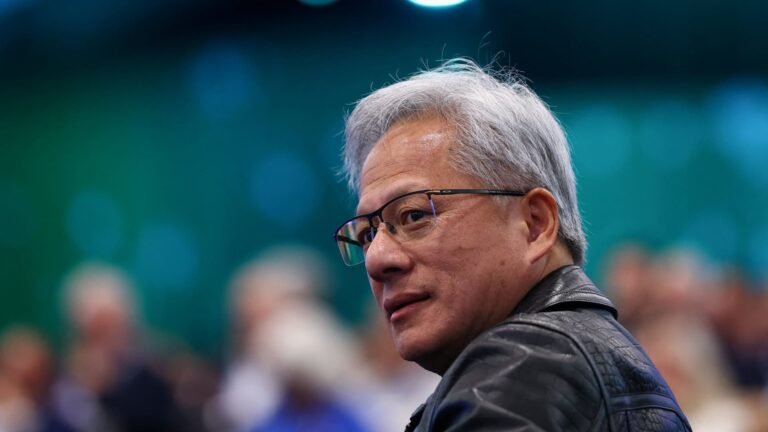
CEO Jensen Huang said Nvidia’s strong cash-generation capacity allows the company to invest aggressively in next-generation technologies while also returning substantial amounts of capital to shareholders.
The buyback announcement provided another reason for investors to remain positive on Nvidia, alongside optimism around future semiconductor demand from AI applications.
The company has also sought to address growing concerns around AI safety. Nvidia unveiled a new double-layered AI security system designed to prevent AI agents from operating outside their intended boundaries.
Disclaimer: This story is for educational purposes only. Please consult with an investment advisor before making any investment decisions.
About The Author