(Bloomberg) – Leading oil executives warned that the world is running out of stopgaps to manage the impact of the Iran war as the conflict extends into an eighth month.
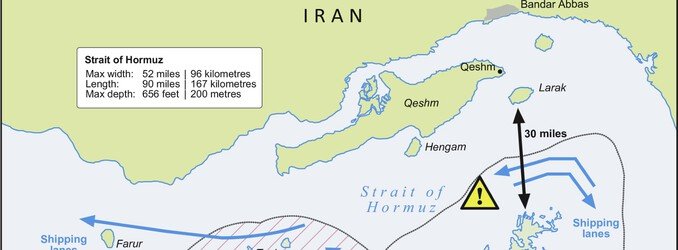
Since February, the war has disrupted shipping through the Strait of Hormuz, the critical chokepoint that carries about a fifth of the world’s oil and liquefied natural gas in normal times. Despite that, gains in benchmark crude futures have been remarkably limited, with Brent oil trading below $100/bbl on Tuesday.
That’s in part because producers and consumers have pulled virtually every lever available to adjust to the diminished flows. That includes widespread reductions in demand, higher supplies from other parts of the world and large releases from strategic petroleum reserves. In recent weeks, there has also been a sharp increase in tanker transits through Hormuz.
Several senior executives at the Energy Intelligence Forum in London warned about the long-term effectiveness of those workarounds.
“There’s a limit to how much those shock absorbers can continue to take,” said Wael Sawan, chief executive officer of Shell Plc. “We have maybe softened the worst impact of the crisis, but there is only so long that you can continue to do that without further discontinuities emerging.”
Though the market’s buffers have been thinned, there have been similar warnings before. In the early days of the conflict, market watchers cautioned that the scale of the disruption meant that it would be barely weeks before supplies ran out.
The workarounds ultimately meant that never materialized on a widespread basis, though there have been hits to demand and supply in some of the world’s poorer nations.
Now, volumes of crude transiting Hormuz are approaching pre-war levels, according to executives at the conference, but each day flows are impaired means there are still solutions that need to be found elsewhere.
“We need about 10, 12, 14 million barrels to come out via the shipping route in order to keep things in balance as we go through the winter,” said Russell Hardy, CEO of Vitol Group. “Because there aren’t any more inventories to drain in the West.”
Much of the pressure in oil markets is confined to two specific sectors: refined fuels and shipping.
Last week, a group of nations announced a fresh plan to release 100 MMbbl of oil onto the global market to tame price pressures. That comes after the release of 400 MMbbl was announced earlier this year.
Still, it means global stockpiles will continue to dwindle in the coming months, particularly refined fuels like diesel that have remained exceptionally tight in recent weeks.
“While the squeeze on crude is serious, refined fuel prices have risen even more sharply,” Saudi Aramco CEO Amin Nasser said. “Emergency reserves may buy us a winter. They cannot fix long-term supply.”
About The Author