AUDIENCE MEMBER: Could you explain a little more about what you call the “mind of the consumer” and the “nature of the product?” …
WARREN BUFFETT: You know, what you really — when you get into consumer products, you’re really interested in finding out — or thinking about — what is in the mind of how many people throughout the world about a product now, and what is likely to be in their mind five or ten or 20 years from now?
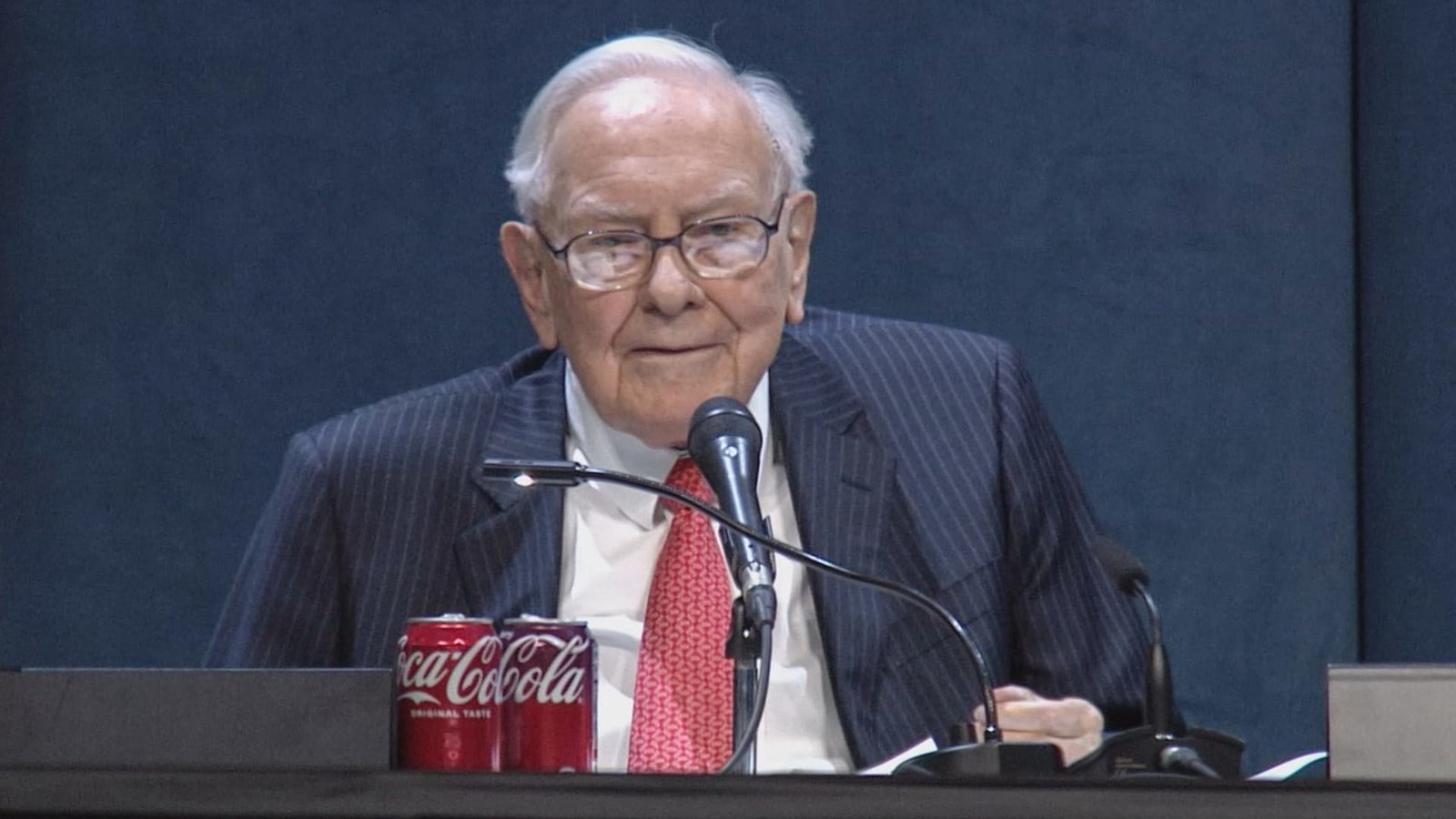
Now, virtually every person on the globe — maybe, well, let’s get it down to 75 percent of the people on the globe — have some notion in their mind about Coca-Cola.
They have — the word “Coca-Cola” means something to them. You know, RC Cola doesn’t mean anything to virtually anyone in the world, you know.
It does to the guy who owns RC, you know, but — and the bottler.
But everybody has something in their mind about Coca-Cola. And overwhelmingly, it’s favorable. It’s associated with pleasant experiences.
Now, part of that is by design. I mean, it is where you are happy. It is at Disneyland, at Disney World. And it’s at ballparks. And it’s every place that you’re likely to have a smile on your face, including the Berkshire Hathaway meeting, I might add. (Laughter)
And that position in the mind is pretty firmly established. And it’s established in close to 200 countries around the world with people.
A year from now, it will be established in more minds. And it will have a slightly, slightly, slightly different overall position. In ten years from now, the position can move just a little bit more.
It’s share of mind. It’s not share of market. It’s share of mind that counts.
Disney, same way. Disney means something to billions of people. And if you’re a parent of a couple of young children and you got 50 videos in front of you that you can buy, you’re not going to sit down and preview an hour and a half of each video before deciding what one to stick in front of your kids.
You know, you have got something in your mind about Disney. And you don’t have it about the ABC Video Company. Or you don’t even have it about other — you don’t have it about 20th Century. You know, you don’t have it about Paramount.
So that name, to billions of people, including lots of people outside this country, it has a meaning. And that meaning overwhelmingly is favorable. It’s reinforced by the other activities of the company.
And just think of what somebody would pay if they could actually buy that share of mind, you know, of billions of people around the world. You can’t do it.
You can’t do it by a billion-dollar advertising budget or a $3 billion advertising budget or hiring 20,000 super salesmen.
About The Author