Kimberly-Clark is having its best week in four years. Here's what is propelling shares higher
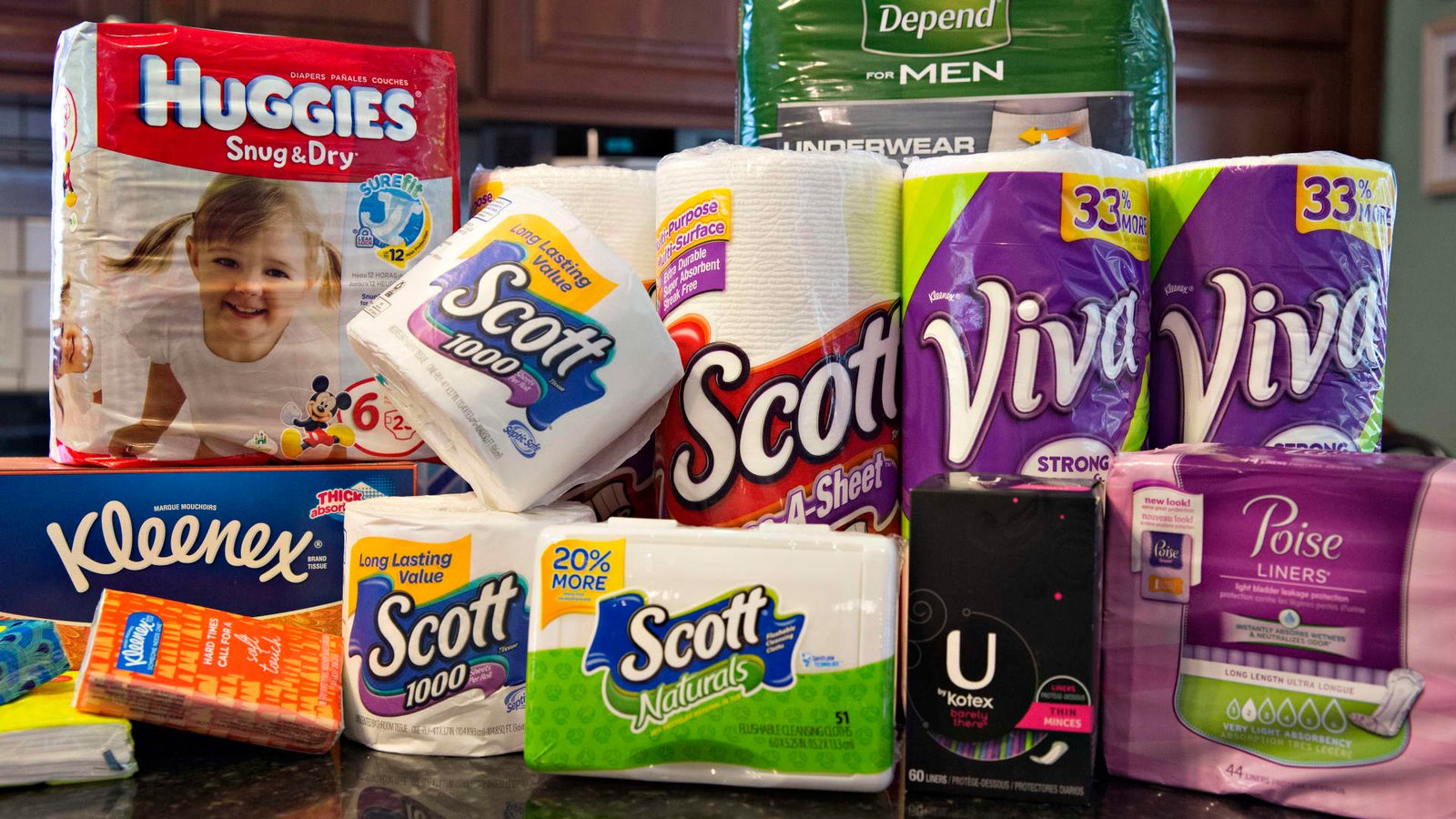
Kimberly-Clark shareholders were in need of some good news. We’ve been gifted plenty of it this week. On Thursday alone, the maker of Kleenex and Huggies reported better-than-feared preliminary results for its third quarter, and Chinese authorities pushed back on social-media claims that have hurt diaper sales in the country. The one-two punch came just days after European regulators signed off on its planned acquisition of Kenvue , the owner of Band-Aid, Tylenol and other health and wellness brands. Brazilian regulators have since followed suit, legal news service MLex reported Friday . Meanwhile, turbulence for the AI trade has also boosted defensive parts of the market, including the consumer-staples corner where Kimberly-Clark resides. The slew of favorable developments has propelled shares up about 8% this week, including Friday’s more than 1% gain. That puts it atop the Club portfolio leaderboard. The stock is on pace for its best weekly performance since October 2022. Kimberly-Clark is also on track for back-to-back weekly gains for the first time since mid-August. Shares rose 3.4% last week. It’s a much-needed reversal of fortunes for Kimberly-Clark after a bruising 9.75% drop in September. Although we have used the weakness since our Sept. 2 initiation to bulk up the position, it’s encouraging to see Kimberly-Clark start stacking some wins ahead of the expected Kenvue takeover — a big reason we own shares. Our most recent buy was Tuesday. “This was a premier name … and it’s hated because the last couple quarters have been not great,” Jim Cramer said Thursday on CNBC. “But once they merge with Kenvue … it’s going to dovetail perfectly. This is the one you want to be in.” Kimberly-Clark’s strong week while the AI trade wobbled reinforces why we bought the stock in the first place: a desire to pare back our exposure to the data center buildout. While Kimberly-Clark checked that box on its own, the pending Kenvue acquisition added a fundamental catalyst to sweeten the investment case. That didn’t stop the stock from having a rough first few weeks in our portfolio, but now the tide has turned. The early look at Kimberly-Clark’s third-quarter numbers Thursday was a sigh of relief. For the three months ended in September, the company reported preliminary revenue of $4.13 billion and earnings per share of $1.70, both beating Wall Street estimates.Kimberly-Clark will release its full results and hold its usual earnings call on Nov. 5. The early financial disclosure was likely tied to the Kenvue deal process. The sneak-peek results were so encouraging because of Kimberly-Clark’s disappointing update at the Barclays Global Consumer Staples Conference on Sept. 9. That’s when CFO Nelson Urdaneta warned that both third-quarter sales and EPS were tracking below the current Wall Street consensus, sending shares down 4.1% — their second worst day of the year. Executives pointed to several emergent headwinds since Kimberly-Clark’s August earnings report that led to the revised expectations: a delayed product launch due to production issues, distributors in its professional business replenishing inventory at a slower pace than they were selling it, and higher freight and logistics costs during the third quarter. The company said it was more vulnerable to those transportation costs than usual because of the April fire at its California distribution center, which added $30 million to $40 million of incremental costs. Just hours before Kimberly-Clark released its preliminary results, Chinese authorities confirmed that no formamide was found in baby diapers, according to the state-owned China Daily , refuting allegations circulating on Chinese social media that its popular Huggies diapers contained the toxic chemical. The diaper-quality controversy had weighed on Kimberly-Clark’s second-quarter sales in China and contributed to a full-year guidance cut, adding to investor concerns about its organic growth outlook. Though sales of Huggies may not bounce back immediately, the formal refutation from Chinese authorities is a pivotal step on the road to recovery in the country. It also helps clean up the Kimberly-Clark story as the company makes progress on completing the Kenvue acquisition, which Jim sees as a major catalyst for the stock. Kimberly-Clark expects the acquisition, announced last November, to close before year-end. Upon closing, Kimberly-Clark would become the second-largest consumer health and wellness company by revenue, trailing only Procter & Gamble . On Tuesday, the European Commission approved the acquisition on the condition that Kimberly-Clark divest some of its feminine hygiene brands in the region. It was a critical regulatory milestone needed to help the deal across the finish line. To cap off the week, Brazilian regulators also signed off on the deal, according to MLex. The company did not immediately respond to CNBC’s request for comment on that approval. On Thursday’s Monthly Meeting , Jim predicted that the Brazilian stamp of approval was coming soon. Another hurdle to finalize the transaction was cleared Tuesday, when Kimberly-Clark said it received enough support from Kenvue bondholders to exchange debt in Kenvue for new bonds issued by the company. Jim is confident Kimberly-Clark can unlock value from the Tylenol maker, which was spun off from healthcare giant and Club name Johnson & Johnson in 2023 and struggled to find its footing as a standalone entity. With Kenvue under its roof, Kimberly-Clark will be able to cut input costs by negotiating contracts across jointly produced materials. Mergers of this size also typically see headcount reductions to cut costs. Strategically, Jim also expects Kimberly-Clark CEO Michael Hsu to strengthen areas of Kenvue’s business that have fallen short, such as e-commerce. More generally, Kenvue was attractive to Kimberly-Clark because it will add more direct health-and-wellness exposure, benefiting from the demographic tailwinds of an aging population. “I still believe Kenvue didn’t have an e-commerce strategy… It’s going to be terrific,” Jim said. Jim expects the combined company to eventually win over Wall Street, in part because it offers consumer-staples analysts a fresh idea to push to their investor clients. At the moment, only 39% of Wall Street analysts have a buy-equivalent rating on Kimberly-Clark’s stock, according to FactSet data. “I’m all set to hear the mellifluous sound of ‘hold to buy Kimberly.’ … At this point, they want something fresh that’s also cheaper,” Jim said Thursday night . “This is just how the Street works. Now go try to make some money from it, not as a trade, though, but as an investment, because I’m confident these Kimberly-Clark upgrades are coming, and you want to get in ahead of them.” (Jim Cramer’s Charitable Trust is long KMB. See here for a full list of the stocks.) As a subscriber to the CNBC Investing Club with Jim Cramer, you will receive a trade alert before Jim makes a trade. Jim waits 45 minutes after sending a trade alert before buying or selling a stock in his charitable trust’s portfolio. If Jim has talked about a stock on CNBC TV, he waits 72 hours after issuing the trade alert before executing the trade. THE ABOVE INVESTING CLUB INFORMATION IS SUBJECT TO OUR TERMS AND CONDITIONS AND PRIVACY POLICY , TOGETHER WITH OUR DISCLAIMER . NO FIDUCIARY OBLIGATION OR DUTY EXISTS, OR IS CREATED, BY VIRTUE OF YOUR RECEIPT OF ANY INFORMATION PROVIDED IN CONNECTION WITH THE INVESTING CLUB. NO SPECIFIC OUTCOME OR PROFIT IS GUARANTEED.