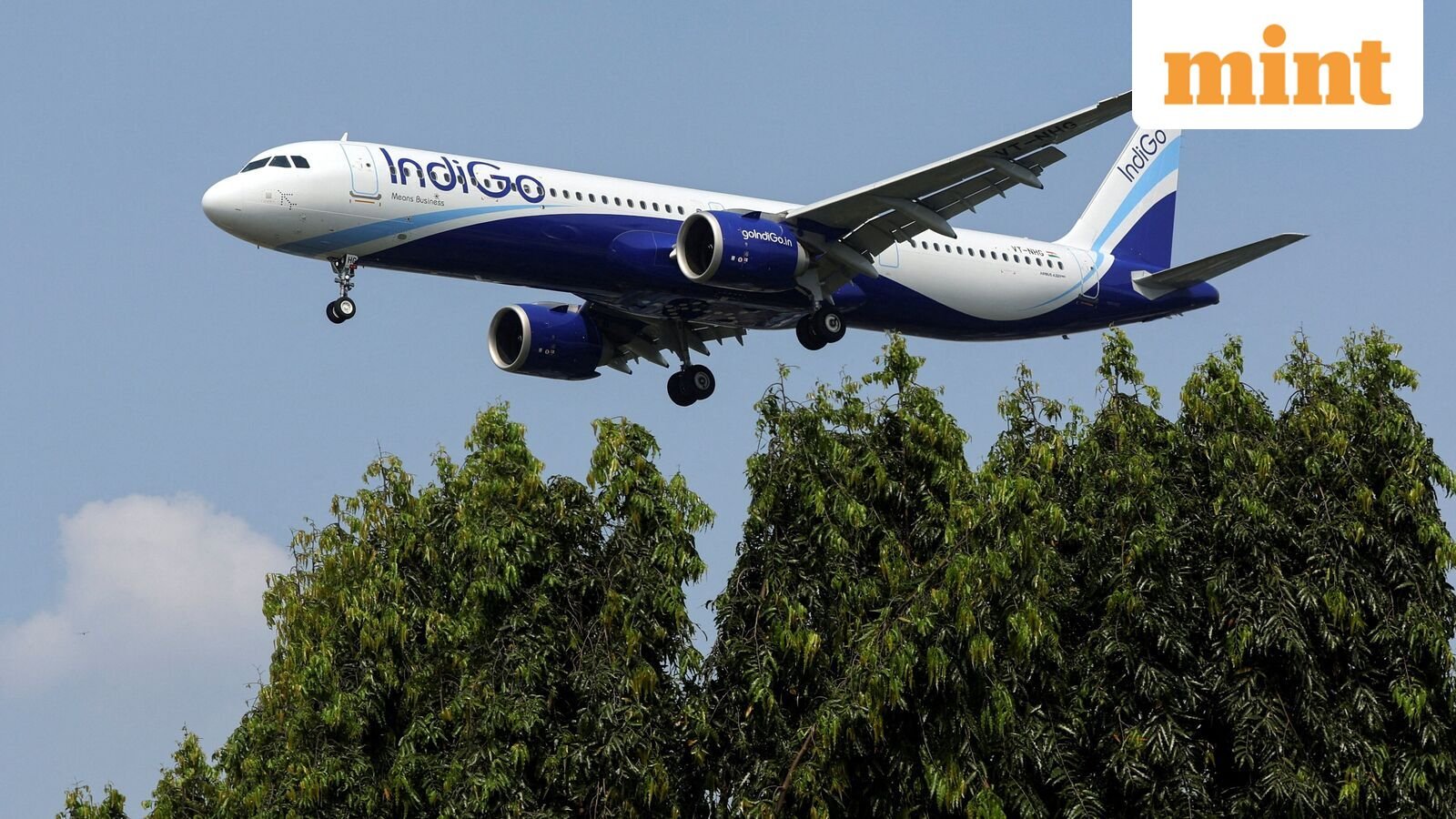
Even as IndiGo, the parent company of InterGlobe Aviation, extended its quarterly losses to a third consecutive quarter in September (Q2 FY27), its shares settled 4.33% higher at ₹4,877 apiece in Friday’s trade on October 30.
Investors looked past the fuel-hit quarterly loss and focused on the airline’s efforts to protect profitability through fare hikes, capacity discipline and network optimisation.
IndiGo, India’s largest airline, posted its third consecutive quarterly loss, although the loss narrowed from a year earlier, reflecting better-than-anticipated operating performance despite sharply higher fuel costs year-on-year (YoY).
Revenue from operations grew 26% YoY to ₹23,360 crore, supported by a 34% increase in passenger yield and pricing actions, while available seat kilometres (ASK) declined 1% YoY amid capacity rationalisation.
However, fuel expenses rose 67% YoY, while the reported cost per available seat kilometre (CASK), excluding fuel and foreign exchange (forex), increased 15% YoY to ₹3.45, reflecting currency depreciation, inflation, and contractual costs.
Passenger ticket revenue stood at ₹20,652 crore, an increase of 29.3%, while ancillary revenue rose 15.9% to ₹2,481 crore compared with the same period last year.
Fuel expenses, which accounted for nearly 38% of total costs, surged amid higher global oil prices. The reported net loss stood at ₹1,880 crore, lower than domestic brokerage firm JM Financial’s estimate of ₹2,180 crore.
JM Financial said IndiGo’s response to the challenging cost environment was to continue focusing on pricing discipline and capacity rationalisation rather than pursuing market share at the expense of profitability. Although the loss was lower than estimates, it marked the domestic carrier’s third consecutive quarterly loss.
“The seasonally soft September quarter saw exceptionally elevated fuel costs and continued geopolitical turmoil. We responded with prudent capacity reduction and yield management, supporting strong revenue performance but only partially offsetting the higher costs. Despite these actions, the quarter resulted in a net loss of around ₹1,900 crore,” said Willie Walsh, CEO.
The company said it operated a peak of 2,020 daily flights during the quarter, including non-scheduled flights.
Going ahead, the management guided ASK growth in the early single digits in FY27 and expects single-digit growth in Q3 FY27, reflecting capacity rationalisation amid geopolitical uncertainties. It is targeting around 25% YoY growth in passenger revenue per available seat kilometre (PRASK) in Q3 FY27, supported by seasonally stronger demand and pricing actions, indicating its ability to pass on higher costs.
Stock extends monthly losing streak to four months
Despite Friday’s rise, the stock ended October with a 2% decline, extending its losing streak to a fourth consecutive month and taking its cumulative losses over the period to 9%. The decline has also erased the stock’s gains for the year, turning its year-to-date performance negative, with losses of over 3.60%.
If the stock closes the year in the red, it will mark its first annual decline in three years. However, its long-term returns remain impressive, with the stock trading 97% higher over the past three years and 124% higher over the past five years.
Disclaimer: We advise investors to check with certified experts before making any investment decisions.
About The Author