
Intel stock plunges 29%. Analysts urge caution on buying the dip
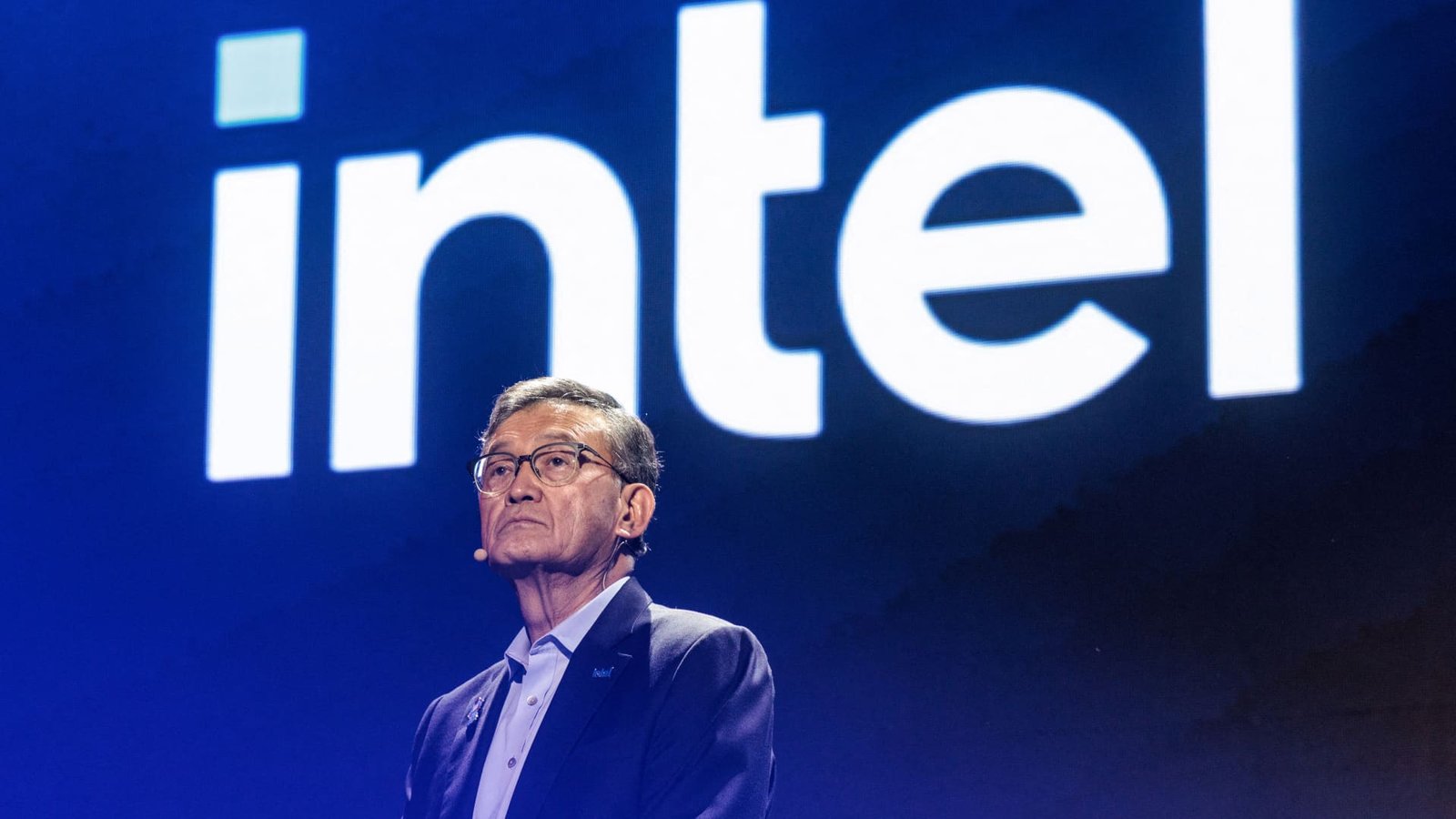
Should investors take advantage of the plunge in Intel to pick up shares? Many Wall Street analysts advise staying on the sidelines, with no clear consensus on when Intel may regain momentum. The stock took a massive hit on Friday, declining 29% to about $65 a share, its worst one-day performance since 1974. It was a painful slide for a stock that had been up about 150% this year prior to a third-quarter earnings report that raised doubts about the pace of Intel’s turnaround and operating results. Intel beat third-quarter earnings estimates but reported revenue slightly below consensus. Investors were particularly disappointed with weakness on the personal computer side, given high memory chip pricing. Intel also revealed supply and production problems on the server side, holding back its growth in a hot area. Intel’s fourth quarter revenue guidance also came in below consensus. The results prompted multiple downgrades on Wall Street with Bank of America, Roth Capital Partners and Seaport Research Partners all downgrading the stock to neutral from buy on Friday. JPMorgan and Goldman Sachs maintained their neutral ratings but lowered their price targets on the stock while New Street upgraded Intel to buy from neutral. Intel now faces a double whammy: weak demand for personal computer chips and lack of capacity to produce enough server processors to capitalize on the artificial intelligence buildout. INTC YTD mountain Intel, YTD Analysts see a path to improvement but disagree on whether investors should buy before a recovery takes hold. Intel’s sell-off was “quite overdone,” said analyst John Vinh told CNBC. He thinks “there’s a buying opportunity here” because he believes Intel’s problems are temporary. Yet others like Seaport’s Jay Goldberg recommend staying on the sidelines. In the near-term, the company “clearly has planning and capacity issues, which they need to grapple with,” he said. “Until they do, it’s kind of dead money. I think it trades flat for a while.” Part of the problem, Goldberg said, is that the company made too many PC chips during a sharp downturn and too few server chips to meet booming demand. He attributed the mismatch to “bad planning assumptions” and difficulty getting “all the components they needed.” Goldberg believes once Intel fixes capacity issues, “they’ll be in good shape.” The strength in server demand was evident in Intel’s results. Data center and AI revenue rose nearly 80% year-over-year to $7.3 billion, exceeding expectations as demand was strong across hyperscalers, enterprise and neocloud customers. Intel CEO Lip-Bu Tan said the company expects industry server CPU units to grow 30% in 2026 and 2027, a figure that “would be higher in both years if additional industry supply were available,” he said, suggesting that growth is capped by supply rather than demand. Some analysts say it may be best to wait for the chipmaker to resolve production problems holding back growth. Management blamed the stalled momentum in its data center segment, which was impacted by an explosion at a fab plant in Israel earlier this month. Intel also warned the PC slump would last into next year. If Intel can bring on “incremental capacity in the second half of next year, things could start moving in the right direction,” KeyBanc’s Vinh said. Looking ahead to the second half of 2027, “server CPU capacity should come online for them,” Vinh said. On PCs, he explained, corrections typically last a couple quarters. He sees the business stabilizing in the second quarter with “some level of recovery in the second half from natural restocking.” KeyBanc’s Vinh tempered his bullish take by noting the market “needs to think about evaluating Intel on 2030 numbers.” That’s when he expects the domestic foundry business to become a meaningful contributor. If investors look at the company through the lens of 2027 figures it’s “clearly expensive.” Even firms that downgraded Intel see longer-term promise. Bank of America acknowledged the company’s ability to develop a foundry, noting “any signs of traction potentially driving a recovery in a relatively under-owned stock.” Roth Capital Partners also praised Intel’s “continued data center growth and increasing custom data center business.” Following Intel’s drop, the U.S. government’s 433 million share stake shed about $11 billion in value, according to CNBC analysis. However, thanks to the low average purchase price of $20.47 per share, the stake remains up about $20 billion overall. The government’s ownership offers little reason on its own to buy the dip, according to both Vinh and Goldberg. For Goldberg, Intel’s next few quarters need to bring tangible improvement in capacity before the stock becomes a buy. While it may take a while, Intel can “get supply up to where it needs to be,” he said in a note. “We think the company will sort itself out but see no reason to own the stock while management sorts itself out.”