Ukrainian President Volodymyr Zelenskyy warned Tuesday that his country “was not real estate,” as a second and final day of U.S.-brokered peace talks got underway.
Speaking to reporters in Denmark late Tuesday, Zelenskyy said he was “happy” with what he was hearing from the peace talks in Abu Dhabi between Russian and Ukrainian representatives, but said he had been clear with U.S. envoys Steve Witkoff and Jared Kushner that “this is a country of our nation, it is not real estate.”
His comments come amid discussions on the future borders of Ukraine and post-war security guarantees, issues where the countries remain far apart.
“I don’t have any expectations of major progress towards settlement,” Mykola Bielieskov, senior analyst at Ukrainian NGO Come Back Alive, told CNBC Tuesday.
Bielieskov would welcome another round of exchanges of prisoners of war, “otherwise there is no room for compromise.”
Following Tuesday’s talks, the first since February, Kushner said he was “encouraged by the constructive discussions.”
“We are working to end this devastating war and establish the security arrangements necessary for a sovereign, secure, and prosperous Ukraine and lasting peace across Europe,” he wrote on X.
Opening the meeting, Kushner said he had almost daily conversations with both sides and had narrowed the gaps between them. “I think we have some good ideas on how to bridge it.”
According to Bielieskov, Ukraine could accept a ceasefire along the current front lines, but would never formally recognize Russian sovereignty over occupied territory. He argued that Zelenskyy has neither the legal authority nor public support to surrender Ukrainian land, even if Kyiv acknowledges it cannot reclaim those territories militarily in the near term.
Russia’s demands for additional territory, restrictions on NATO membership and limits on Ukraine’s armed forces remain fundamental obstacles to a deal, he added.

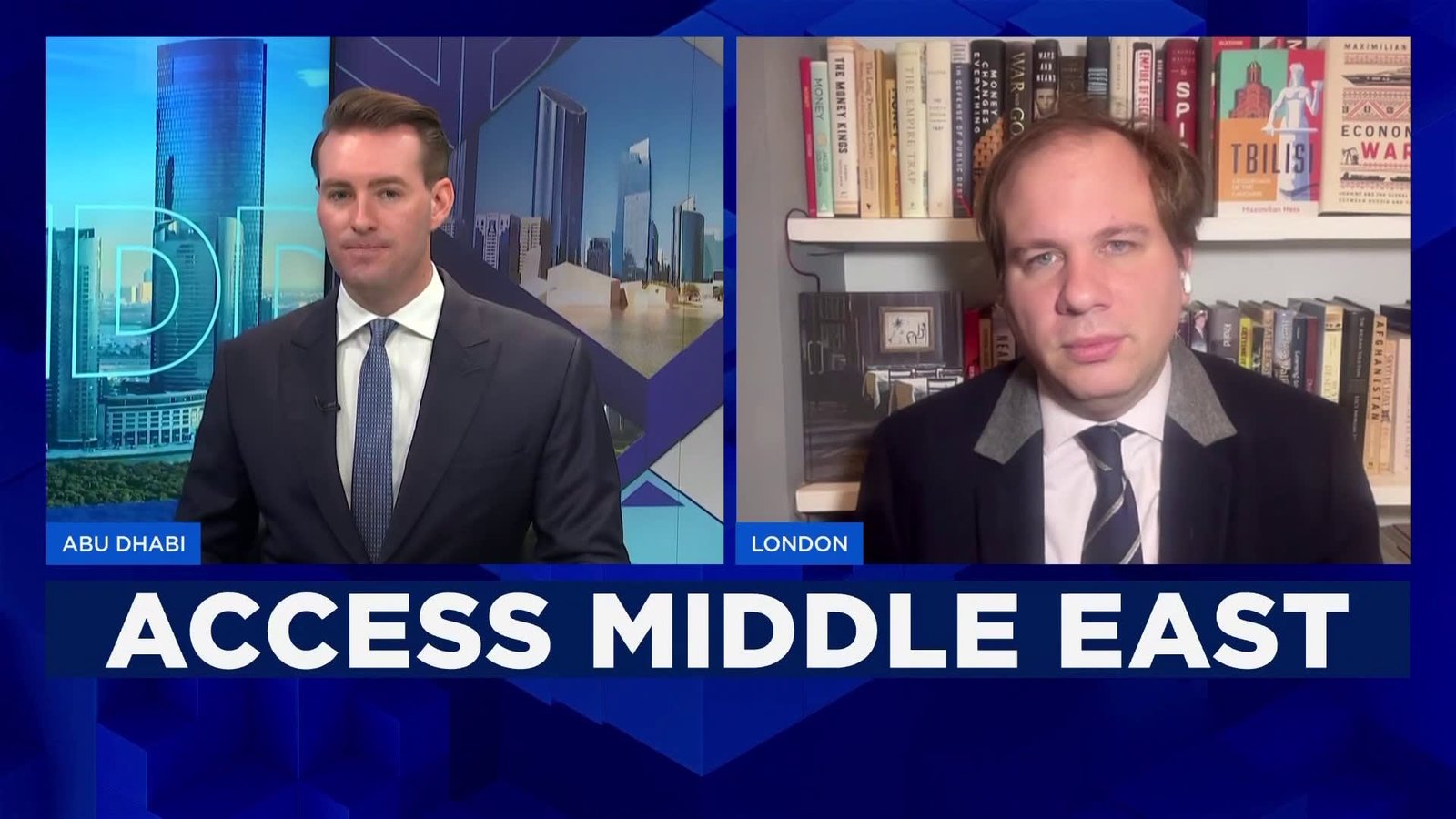
Maximilian Hess at political risk firm Enmetena Advisory told CNBC’s Dan Murphy on Wednesday that little has been achieved in the latest round of meetings.
While Zelenskyy has urged leaders to speak directly, Hess said it’s unlikely the Ukrainian leader will be willing to meet with Putin without meaningful concessions from Russia, given the risk of domestic backlash.
He argued that Putin could use a potential meeting with Trump and Xi Jinping in China to seek further U.S. sanctions relief, weaken Washington’s support for Ukraine, and deepen divisions within the West.
About The Author