Baird downgrades Nvidia on CEO Huang worries, AI uncertainty
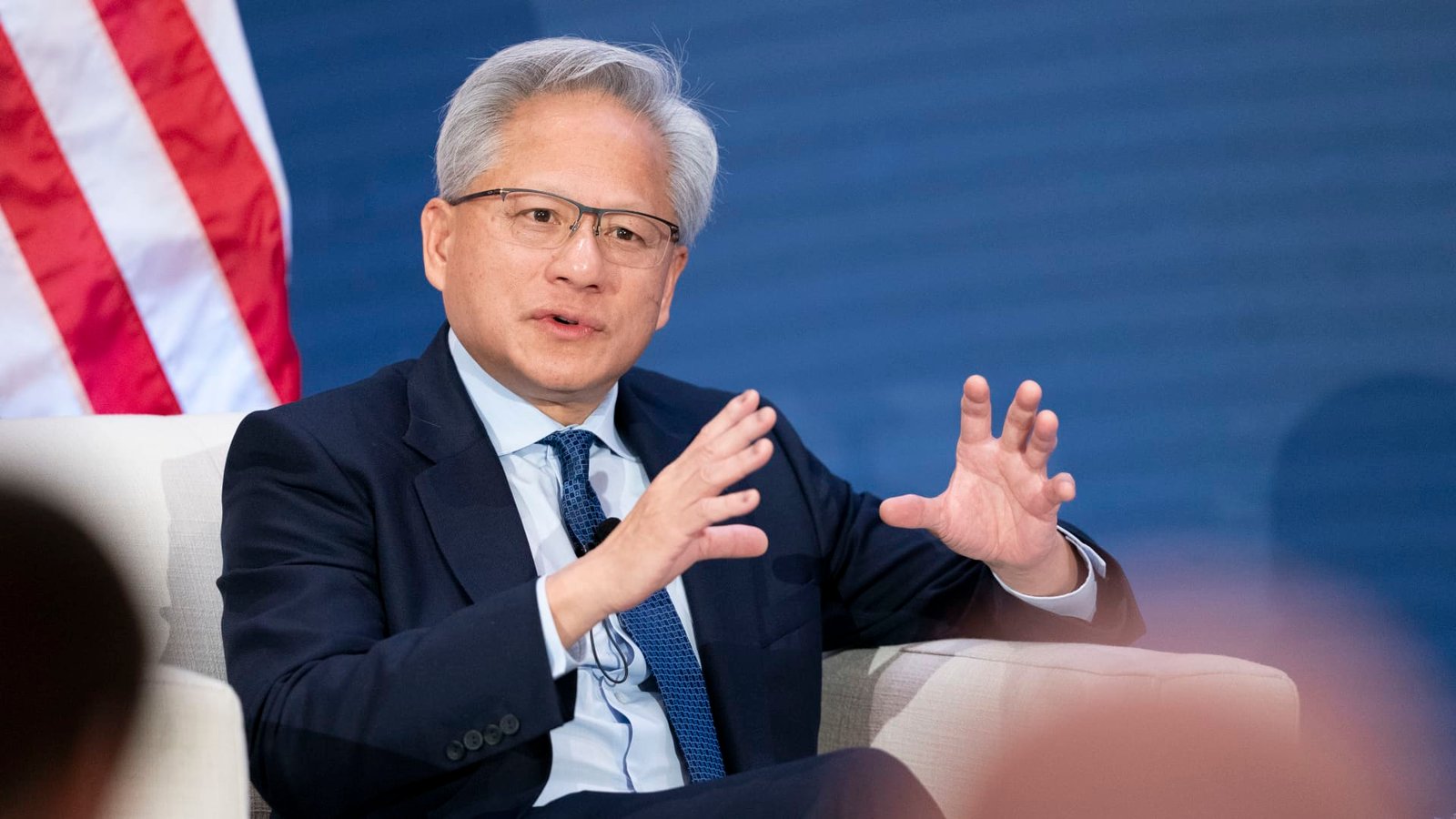
A potential drawdown in artificial intelligence-related capital expenditures by hyperscalers and worries about whether CEO Jensen Huang will remain at the company, led Baird to downgrade Nvidia on Wednesday. The investment bank lowered its rating on the chipmaker giant to neutral from outperform. It also slashed its price target to $200 from $500. That implies an 18% gain from Tuesday’s close. The change puts Baird with few other firms. According to LSEG, just three of 64 analysts rate Nvidia shares as hold or underperform. Baird’s Tristan Gerra wrote in a Wednesday note that the new rating will likely stay in place until the U.S. government decides what action it wants to take in response to Huang admitting he had an extramarital affair , reportedly with a woman who domestic intelligence officials believe to be a Chinese spy. While there is much uncertainty, including whether Huang will stay on as CEO as Nvidia’s board conducts an internal investigation into the matter, Gerra sees some likely consequences from the incident. “A new ban on H200 exports to China,” he predicted in the note. “We believe low-level shipping is taking place into Asia-based warehouses with some inventories awaiting China demand. We estimate this could translate into a $5B write down.” Gerra added he expects new export control limits regarding Southeast Asia data center loopholes. He also said there’s the potential for the Department of Justice to take action against Megaspeed, an Nvidia business partner that has faced scrutiny over worries it directs chips to China . While U.S. chip demand alone could make up for any lost demand for Nvidia through restrictions in the Southeast Asian market, Gerra said it’s not a guarantee. “Revenue impact could be concentrated in a given quarter with cash flow constrained hyperscalers not able to pick up the slack within that given quarter,” he wrote. That leads to Gerra’s other concern: Demand for AI infrastructure may be slowing. He estimated that AI hyperscaler capex could only rise 40% year over year in 2027. It creates a perfect storm for Nvidia, which is now down 30% from its 2026 highs in October . But Gerra doesn’t necessarily think the stock’s tumble will continue. NVDA YTD mountain Nvidia year-to-date. “While some of these concerns are already embedded in Nvidia’s valuation, we think stock will at best stay in a trading range until the dust settles,” he said in the note.