Rayonier jumped after earnings. Why we still see upside for the timber REIT
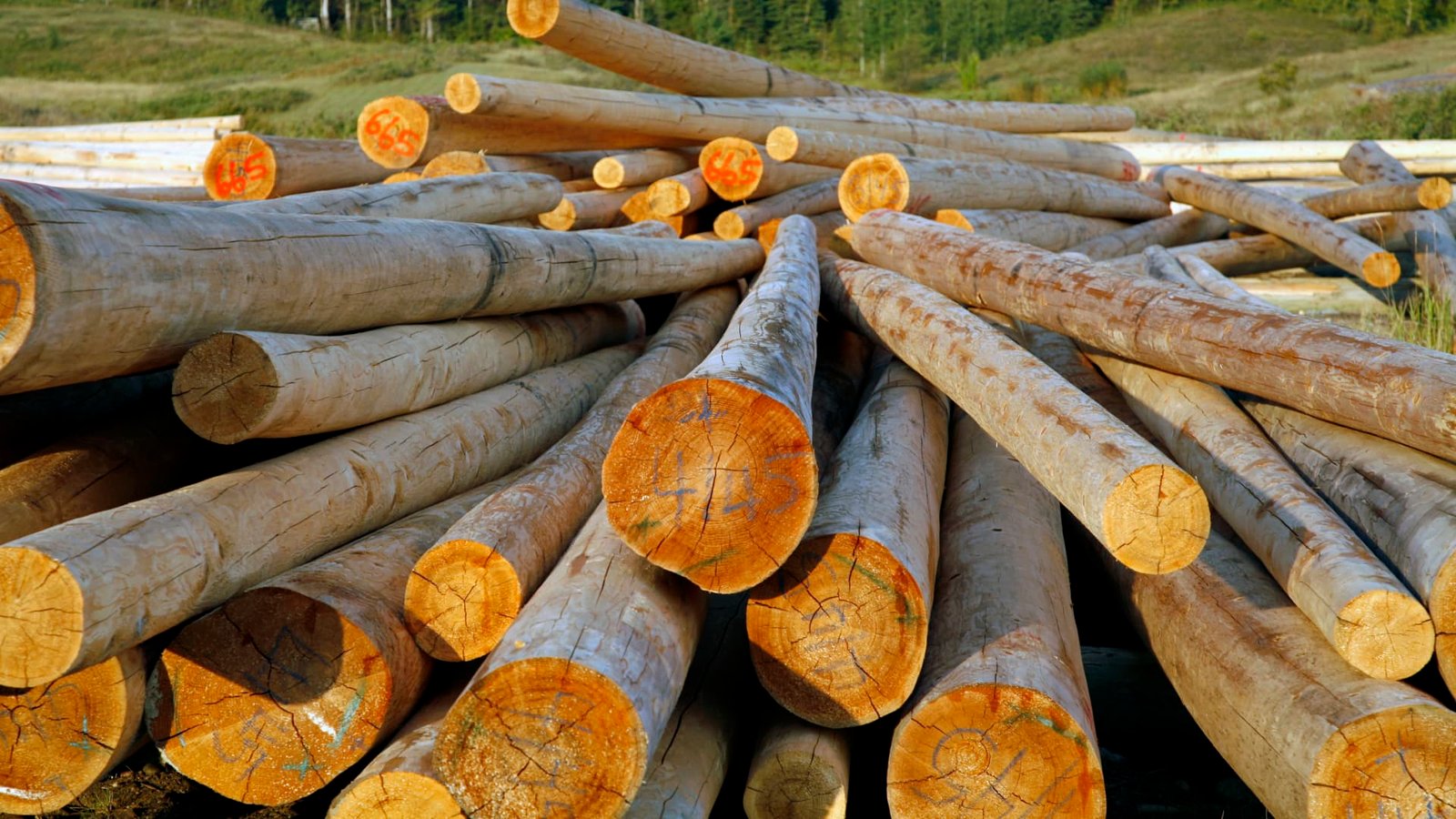
Timberland REIT Rayonier is closing its valuation gap through a mix of strong real estate performance, stock buybacks, and better-than-expected timber and lumber performance. And it doesn’t hurt that the real estate investment trust offers some stability in an unstable market. In fact, on Thursday when the market ran red, Rayonier was a verdant green. Rayonier ended the day up more than 8% after stronger-than-expected third-quarter earnings and a flight to safety, while the S & P 500 slid more than 4% and the Nasdaq tumbled about 5.5%. Third-quarter pro forma earnings per share decreased 60% to 13 cents from 32 cents a share year over year, when adjusted for the large sale of 36,000 acres of timberland in Washington, but beat FactSet consensus estimates of 10 cents a share. Pro forma revenue also beat estimates, coming in at $420.6 million above consensus of $407 million and up substantially from last year’s $178 million, mostly due to the acquisition of Potlatch Deltic in January. Rayonier’s bounce has been quicker than expected, with the stock up more than 14% since CNBC called out its attractive valuation on Oct. 26, as of Tuesday’s close. Shares are up 21% from its 52-week low set in early October. When we first published on Rayonier, we highlighted Raymond James’ argument that the stock was significantly undervalued on a discount to net asset value basis. On Oct. 7, Rayonier traded at a 40% discount to NAV, a discount only surpassed during the Covid pandemic and the global financial crisis. With the stock’s recent move, Rayonier has cut that discount to around 30%. We still see upside here, as the stock has historically traded at a discount to NAV of 12%, but the lowest-hanging fruit has already been grabbed. There’s likely more upside ahead as Rayonier’s latest results demonstrate the opportunities the company has to narrow its valuation gap. We continue to see opportunities in the housing shortage and supply-side factors alongside stock buybacks. In addition, with a new democratic Congress taking over Washington in January 2027, Rayonier could see stronger interest in both its solar and carbon capture permitting business, boosting non-cyclical growth. Real estate results Excluding the large disposition of land in Washington that took place in early August, Rayonier’s real estate segment sold $63 million in land with an average price per acre of $8,012. Adjusted EBITDA was a stronger-than-expected $49 million, well above guidance of $25 million to $30 million, with management citing accelerated closing activity into the end of the quarter. The company is seeing favorable trends in its improved development and reported a 1,700-acre unimproved development at roughly $11,000 per acre. Rural sales also averaged $5,000 per acre, again a significant premium to National Council of Real Estate Investment Fiduciaries timberland index’s implied price per acre of $2,250 in 2025. Guidance includes a significant step-up in adjusted EBITDA attributed to real estate, with the company expecting $60 million to $70 million in EBITDA from the segment, as Rayonier has seen a strong sales pipeline in the early fourth quarter. Rayonier share buybacks Rayonier purchased $59.8 million of its own stock during the third quarter, bringing its total 2026 purchases to $163 million, or about 7.8 million shares. Importantly, the Rayonier board authorized $300 million in further buybacks , giving management more firepower to cut its discount to net asset value. To fund this extra $300 million, Rayonier’s land can be construed as having a for-sale sign hung on it. “We intend to pursue additional Timberland dispositions over the next 12 to 18 months to further enhance our flexibility to lean into share repurchases, incrementally reduce leverage, and fund other capital allocation priorities,” CEO Mark McHugh said on its recent earnings call. We think this is a strong step in the near term to help bridge the gap to NAV and something we previously highlighted. Timber and lumber Both the company’s Southern and Northwest Timber segments beat their estimates on higher volumes and slightly stronger price realizations than expected. Management specifically called out southern sawmills gaining market share from Canadian producers, which CNBC highlighted as a long-term growth opportunity. In the lumber markets, the company discussed strength from supply-side factors, including mill curtailments, industry-wide transportation challenges, and tariffs on Canadian imports, which limited supply and held up lumber prices in the third quarter. The company slightly cut its annual harvest volumes in both segments and expects lower sawtimber prices in the Northwest segment during the fourth quarter. However, it sees stability in southern timber prices during the same time frame. Lumber prices have generally drifted lower, partly due to macroeconomic concerns around housing and seasonality. Rayonier holders should continue to watch lumber market prices to help determine where the stock could go in the near term. While Rayonier may have had some easy gains in the stock, we still see upside. Its next leg up will need operating execution alongside management actions to continue narrowing its discount as it navigates a tough timber market. THIS CONTENT IS PROVIDED FOR INFORMATIONAL PURPOSES ONLY AND DOES NOT CONSTITUTE FINANCIAL, INVESTMENT, TAX OR LEGAL ADVICE OR A RECOMMENDATION TO BUY ANY SECURITY OR OTHER FINANCIAL ASSET. THE CONTENT IS GENERAL IN NATURE AND DOES NOT REFLECT ANY INDIVIDUAL’S UNIQUE PERSONAL CIRCUMSTANCES. THE ABOVE CONTENT MIGHT NOT BE SUITABLE FOR YOUR PARTICULAR CIRCUMSTANCES. BEFORE MAKING ANY FINANCIAL DECISIONS, YOU SHOULD STRONGLY CONSIDER SEEKING ADVICE FROM YOUR OWN FINANCIAL OR INVESTMENT ADVISOR. Click here for the full disclaimer.