Stick with high-quality AI bonds as debt worries persist, says Morgan Stanley
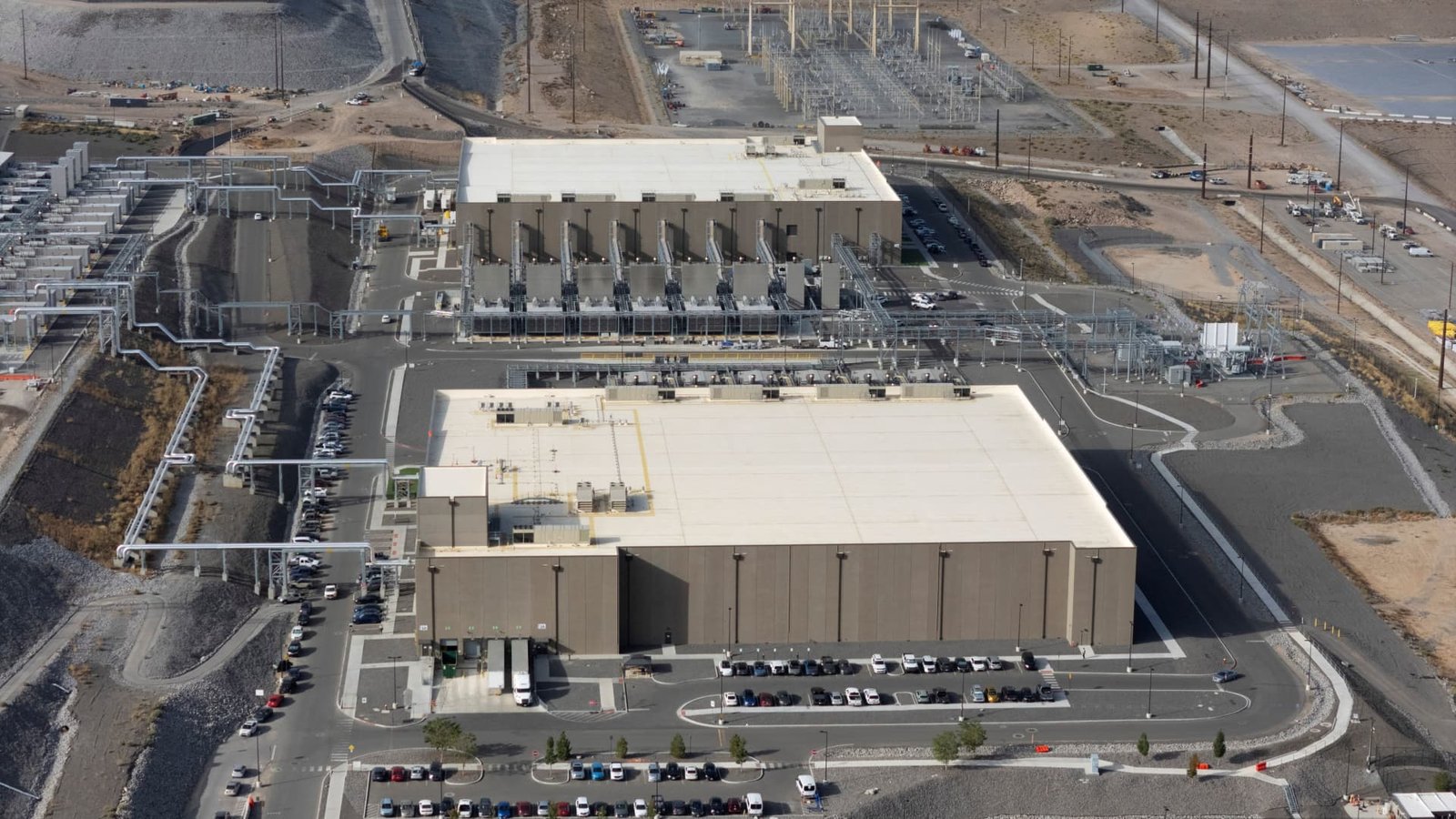
Morgan Stanley sees an attractive entry point in high-quality hyperscaler bonds as investors remain wary of the debt funding the artificial intelligence build-out. In fact, the firm expects a growing divide in financing terms between higher-quality and lower-quality companies. Hyperscalers, which have investment-grade ratings, have strong balance sheets while junk-rated companies tend to be more leveraged. “We see an improving risk-reward for HQ hyperscalers and expect more spread volatility for data center bonds and neoclouds given execution and funding risk,” Morgan Stanley strategist Fernanda Lima said in a note Tuesday. Debt fears have been escalating this year as artificial intelligence-related supply flooded the bond market. Many names saw yields jump and five-year credit default swap spreads widened. Credit default swaps are essentially insurance against default. Bond yields move inversely to prices. Lower-grade bonds were hit especially hard: CoreWeave became the poster child for AI debt worries, as its bond yield topped 16% earlier this month. The neocloud company calmed concerns after it reported a revenue beat for its third quarter and raised its full-year guidance after the bell Tuesday. CoreWeave’s shares jumped more than 25% on Wednesday. The U.S. bond market was closed in observance of Veterans Day. Strong balance sheets The credit market will remain open for hyperscalers, Lima said. In fact, they have already shown a willingness to pay more to issue bonds, she added. Microsoft , Meta Platforms and Oracle have all issued new bonds in the U.S. since Sept. 30, while Alphabet went to the European market for its latest issuance. Some of Meta’s bonds also went to Europe. The total came to $67 billion across both markets since that time, Lima noted. “For HQ hyperscalers, strong balance sheets and earnings cushions provide the capacity to absorb higher borrowing costs, while attractive prospective returns sustain the incentive to invest,” Lima wrote. In fact, spreads have somewhat tightened on most names since the recent deals were priced, she said. Only Oracle saw spreads widen. When spreads tighten, it usually means the bond price has gone up. Here are some of the newly issued hyperscaler bonds. Navigating post-election world The rest of the year should be quiet, with little issuance activity, if any, from AI companies, Lima said. However, she expects 2027 to be a different story. Morgan Stanley anticipates $1.66 trillion in capital expenditures from AI names next year, up 75% from 2026, and $1.77 trillion in 2028. That comes as project timing may shift . With Democrats sweeping Congress and voters favoring local data center restrictions, construction will likely be pushed back, Lima said. She believes the hyperscalers will have an easier time navigating this post-election world. “Even with risks emanating for future capacity build-out post elections, we are of the view that HQ hyperscalers will remain well capitalized to pursue their capex ambitions, and are better prepared to navigate further uncertainty to secure power and start new data center construction,” she said. Lima also said she wouldn’t be surprised to see more transactions announced, like recent equity issuances , to help fund the gap between investments and monetization. “All-in-all, with hyperscalers trading not far from YTD wides, and at levels consistent with A/BBB ratings, risk-reward is as good as it’s been all year,” Lima said.