The Indian stock market suffered significant losses in morning trade on Thursday, August 28, after a new round of US tariffs came into effect on Wednesday, raising overall duties to 50 per cent on Indian goods exported to the US.
The benchmark Sensex crashed over 500 points, or 0.60 per cent, to hit an intraday low of 80,278.38. The NSE counterpart Nifty 50 also fell 0.60 per cent to hit its intraday low of 24,556.50.
The BSE Midcap and Smallcap indices fell by over half a per cent during the session.
The overall market capitalisation of BSE-listed firms dropped to nearly ₹447 lakh crore from ₹449 lakh crore in the previous session, making investors poorer by about ₹2 lakh crore.
Why is the Indian stock market falling?
Trump’s tariffs are the biggest factor behind the market sell-off. This has further worsened the already sombre market sentiment, which is also weighed down by foreign capital outflows, weak earnings, and stretched valuations. Let’s take a look at five key factors driving the market downtrend:
1. The Trump tariff impact
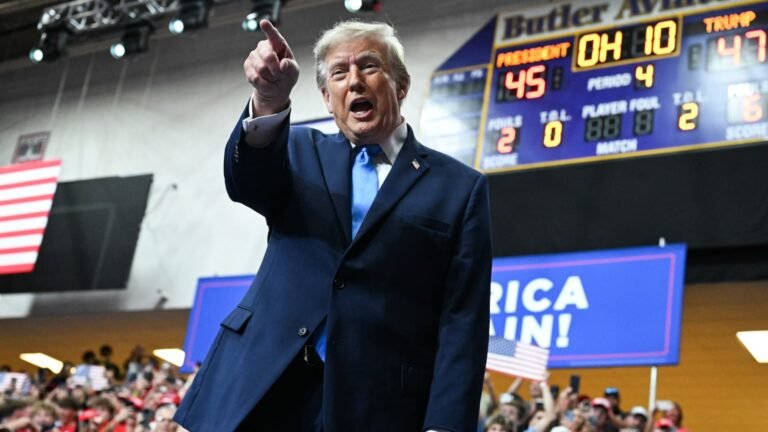
In late July, United States President Donald Trump had announced a 25 per cent tariff on Indian goods starting August 1. Subsequently, in early August he announced an additional 25 per cent tariff on Indian imports, to be effective from August 27, citing the country’s alleged direct and indirect import of oil from the Russian Federation.
There were expectations that India would avoid secondary tariffs and reach an amicable deal with the US before the August 27 deadline. With that possibility gone and tariffs now in effect, market sentiment has taken a fresh hit. Both countries are expected to seek common ground on tariffs, but the market will be watching for concrete signs of progress.
Meanwhile, US Treasury Secretary Scott Bessent said on Wednesday that he believes India and the US “will come together” to find a solution to the current tariff issue.
(This is a developing story. Please check back for fresh updates.)
Read all market-related news here
Read more stories by Nishant Kumar
Disclaimer: This story is for educational purposes only. The views and recommendations expressed are those of individual analysts or broking firms, not Mint. We advise investors to consult with certified experts before making any investment decisions, as market conditions can change rapidly and circumstances may vary.
About The Author