(Bloomberg) – For Brazil’s Environment Minister Marina Silva, a former rubber tapper from the Amazon rainforest, the now-concluded COP30 summit felt personal: It was the first time the annual United Nations climate talks took placein her home region. And with the backing of President Luiz Inácio Lula da Silva, shesucceeded in thrusting fossil fuels — the main driver of global warming — to the top of the agenda.
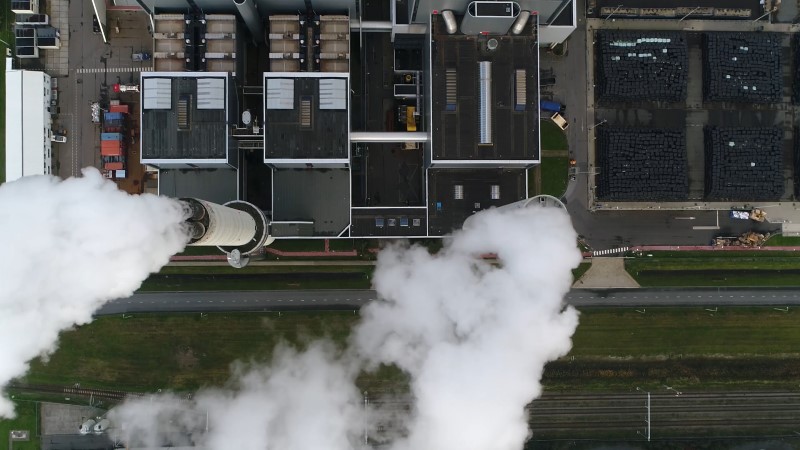
Silva and Lula called forthe creation of aroad map to wean the world off oil, gas and coal. The ideagained momentum, winning the supportofmore than 80countries, civil society groups and much of the scientific community. But it faced stiff opposition from Arab states and Russiaand failed to make it into the final agreement, adopted at the end of the summitSaturday.
In an interview Wednesday, Silva said the road map’s fortunes were tied to the U.S. deciding to skip the conferenceand itswithdrawal from the Paris Agreement. Thatdeepened the polarization between the nations present, she said. “Their absence is an attempt to suppress multilateral spaces dealing with issues they disagree with,” Silva said of the Trump administration, and “carries a very strong gravitational pull.”
She praised China for its “silent leadership” and“collaborative approach” throughout negotiations.Beijing didn’t step into the role once heldby Washington at the talks, choosing instead to focus on its priority issue of trade.
Silva called it“an incomprehensible paradox” that the issue of fossil fuelsstruggles to be addressed head-on at the annual COP meetings, “whose very purpose is to deal with the problem that causes climate change.”
But after COP30, “the debate will never be the same again,” she said.It was also the first COP, she noted, where fossil fuels were debated from the outset.
The Brazil conference faced the dual challengeof confronting two “tipping points,” according to Silva:preventing global warming from becoming irreversible and stemming the collapse of multilateralism on climate issues.
Although the fossil fuel road map was left out of the ultimate agreement, COP30 President André Corrêa do Lago, a Brazilian diplomat,will prepare a report on the issue so that it can be taken up at future summits.
About The Author