GDP grew way less than expected in Q4. Why many on Wall Street aren't worried
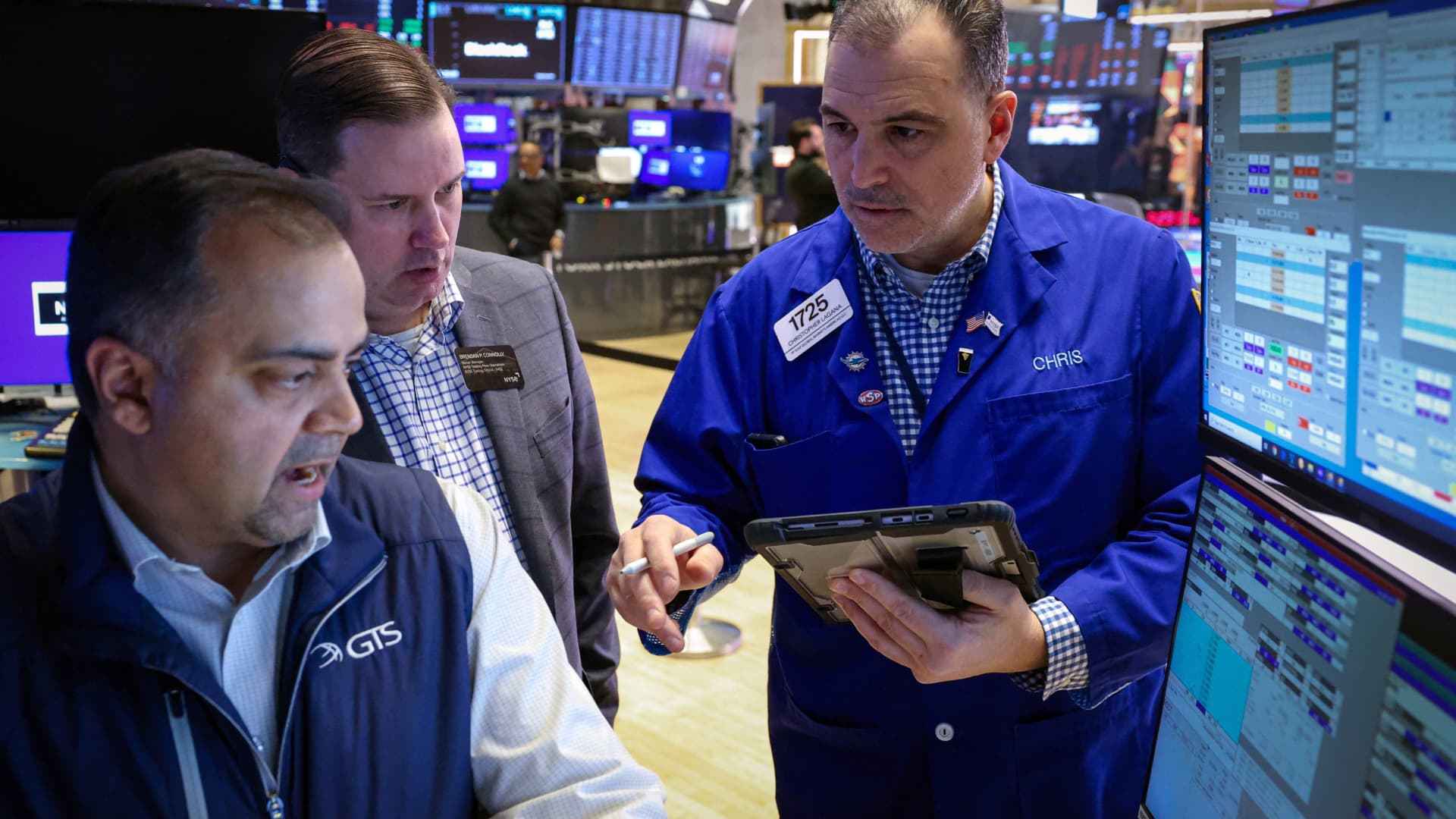
At face value, fourth-quarter U.S. economic growth was not good. The U.S. economy expanded at annualized pace of 1.4% during the final three months of 2025. That’s well below a Dow Jones consensus estimate of 2.5%. However, the initial reaction from many on the Street wasn’t overly negative, with many pointing to the U.S. government stoppages as the main culprit for the lackluster expansion. “At first glance the first reading of Q4 GDP was very disappointing, … however, the government was shut down for almost half the quarter,” wrote Chris Zaccarelli, chief investment officer at Northlight Asset Management. “Some estimates have put the number closer to 2.4% if the government hadn’t been shut down.” The U.S. government funding lapse lasted for 43 days between Oct. 1 and Nov. 12, making it the longest in the country’s history. “The government shutdown was a large contributor depressing growth to a level that is over 1% lower than Q4 expectations, although the reopening will serve as a rebound mechanism for Q1 GDP,” said Adam Hetts, global head of multi-asset and portfolio manager at Janus Henderson. It’s unclear if this data will impact the Federal Reserve’s rate outlook. For now, though, investors aren’t adding to bets for a March rate cut. The CME Group’s FedWatch tool shows a 94% chance that the central bank keeps its benchmark rate in a 3.5%-3.75% range next month. Here’s what others on the Street are saying about the GDP report.: Paul Ashworth, chief North America economist at Capital Economics: “The government shutdown ended up being a much bigger drag on the economy than the Treasury’s data had suggested, with fourth-quarter GDP growth slowing to 1.4% annualised. Federal expenditure contracted at a 16.6% annualised rate, subtracting 1.2% points from overall GDP.” Rick Gardner, chief investment officer at RGA Investments: “Friday’s GDP for the fourth quarter was much lower-than-expected, but it was still positive and shows that the economy expanded at respectable clip during the final few months of 2025 even as fears about the labor market started to intensify. We expect a strong year of economic growth in 2026, driven by business investment, consumer spending and fading trade headwinds.” Peter Boockvar, chief investment officer at One Point BFG Wealth Partners: “Bottom line, between the higher than expected price deflator which leads to lower REAL growth and the big drop in federal government spending because of the shutdown, that explains the miss relative to expectations. Elsewhere, no real surprises. Again, about all of US economic growth is coming from data center construction, upper income spending and anyone benefiting from the federal government’s $1.8 trillion deficit and $7 trillion of total annual spending.” Steve Rick, chief economist at TruStage: “While this morning’s GDP report came in below expectations, the broader picture suggests moderation rather than deterioration in economic growth. Consumer activity is softening somewhat, but underlying fundamentals remain intact as we begin 2026. Moving forward, we expect GDP growth for 2026 to continue to rise, landing closer to 2.5%, slightly above the long-term trend of 2%.”