How to profit from oil's decline after its historic spike
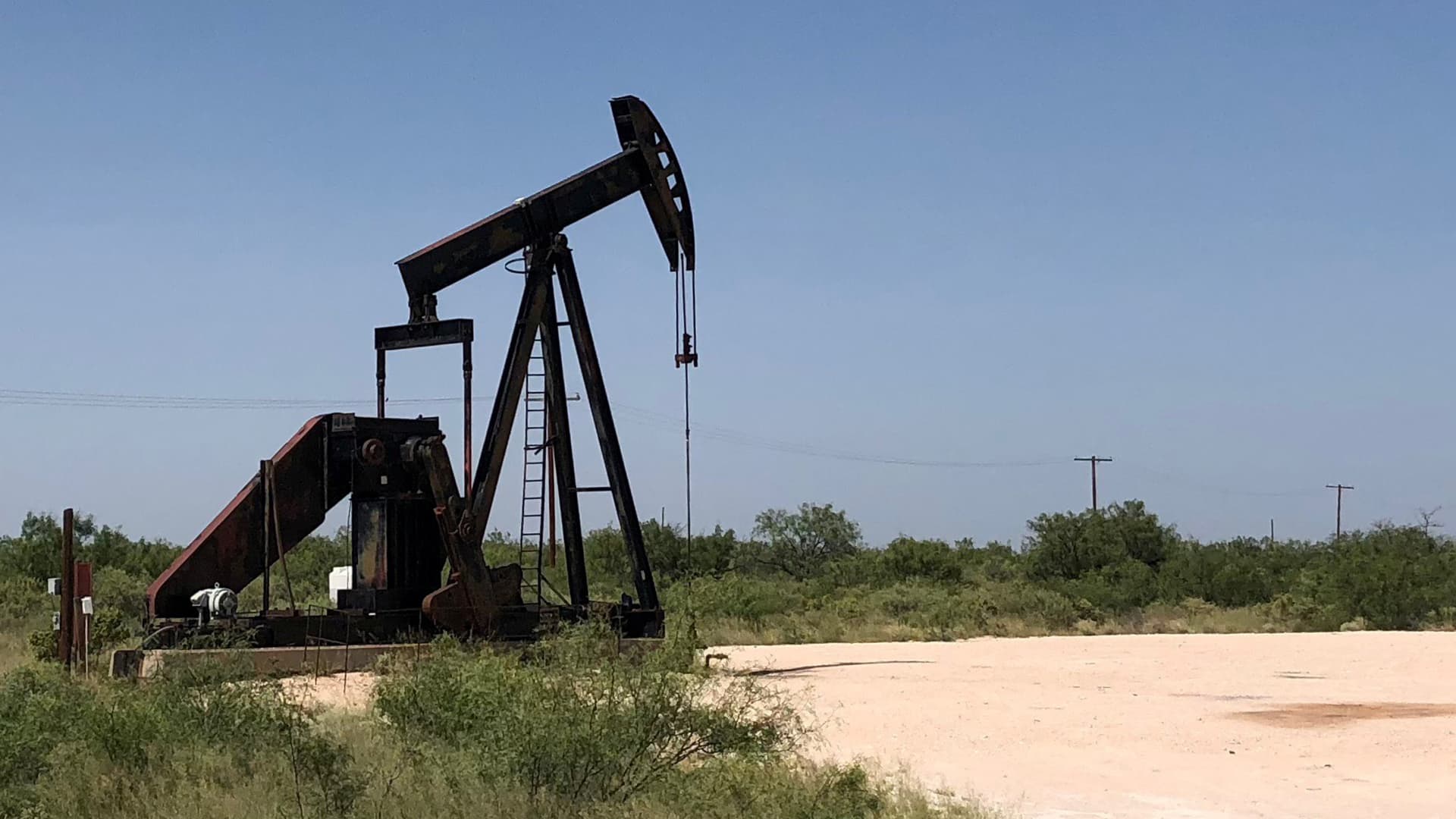
Amidst the uncertainty surrounding the Iran conflict, oil has spiked to historic levels. While extreme vertical moves like this are prime candidates for a short position, war-driven oil spikes have a habit of taking their sweet time coming back down to earth. Because of this, I have to adopt a different layering approach when structuring the following trade: Adjusting the timeframe: I typically favor bull call spreads because bullish strategies inherently carry a higher win rate. When I do take the occasional bearish trade, I keep the timeframe tight — usually 14 to 21 days — since pullbacks in a broader bull market are notoriously short lived. However, this geopolitical situation is unique. The uncertainty could easily prop up prices for more than a month. To ensure I buy enough time to be right, I am targeting a longer expiration window of 35 to 50 days. Scaling in: Nobody rings a bell at the top. When fading a strong prevailing trend, there is a high probability the very first entry will go underwater. To manage this, I am building the position slowly and starting extremely small. The beauty of this specific setup — a $1-wide at-the-money bear put spread — is that I can initiate a position for as little as $50 and steadily scale into it as the price action develops. The $110 trigger: I am stalking the $110 level on the United States Oil Fund as my primary threshold. Anytime USO breaks above $110, I will look to layer on another small bearish spread, always ensuring I have at least 40 days until expiration on the newly-added contracts. The trade setup: A bear put spread Now that my bearish bias is locked in, the next step is finding the right vehicle to execute the trade. For this, I am going with a standard bear put spread (also known as a put debit spread). If you pull up the USO option chain for April 17, you will immediately see why I like this product: it is incredibly liquid and features tight, $1-wide strikes. This structure is fantastic for capital efficiency. I can construct a $1-wide put spread risking as little as $50 to make $50 if the trade works out. Sizing up is a breeze — if I want more exposure, I just add contracts. A 10-lot, for instance, puts $500 on the line for a potential $500 payout. The execution quirk Here is the game plan: If USO surges to $120 Wednesday, I will look to buy an out-of-the-money (OTM) bear put spread with strikes positioned about $4 to $5 below the current price. Why go OTM instead of my usual at the money entries? It comes down to market mechanics. When trading individual stocks, I can usually get filled on an ATM spread for around $0.50 without breaking a sweat. However, the ETF landscape has shifted. Lately, getting a fair fill on ATM strikes for ETFs like USO has become notoriously difficult. Sliding slightly out-of-the-money solves that liquidity headache and gets the trade on the books. Assuming USO hits $120, here is exactly how I will structure the trade using the Aprril 17 expiration: Buy $115 put, Apr. 17 expiry Sell $114 put, Apr. 17 expiry Contracts: 1 Cost: $50 Potential profit: $50 — Nishant Pant Founder: https://tradewithmaya.com/ Author: Mean Reversion Trading YouTube, Twitter: @TheMeanTrader DISCLOSURES: Pant has a bear put spread on USO expiring on April 17. All opinions expressed by the CNBC Pro contributors are solely their opinions and do not reflect the opinions of CNBC, or its parent company or affiliates, and may have been previously disseminated by them on television, radio, internet or another medium. THE ABOVE CONTENT IS SUBJECT TO OUR TERMS AND CONDITIONS AND PRIVACY POLICY . THIS CONTENT IS PROVIDED FOR INFORMATIONAL PURPOSES ONLY AND DOES NOT CONSTITUTE FINANCIAL, INVESTMENT, TAX OR LEGAL ADVICE OR A RECOMMENDATION TO BUY ANY SECURITY OR OTHER FINANCIAL ASSET. THE CONTENT IS GENERAL IN NATURE AND DOES NOT REFLECT ANY INDIVIDUAL’S UNIQUE PERSONAL CIRCUMSTANCES. THE ABOVE CONTENT MIGHT NOT BE SUITABLE FOR YOUR PARTICULAR CIRCUMSTANCES. BEFORE MAKING ANY FINANCIAL DECISIONS, YOU SHOULD STRONGLY CONSIDER SEEKING ADVICE FROM YOUR OWN FINANCIAL OR INVESTMENT ADVISOR. Click here for the full disclaimer.