(Bloomberg) – The International Energy Agency said it sees no need yet to release emergency oil stockpiles amid the Middle East crisis, as global oil supplies are plentiful and the impact appears likely to be temporary.
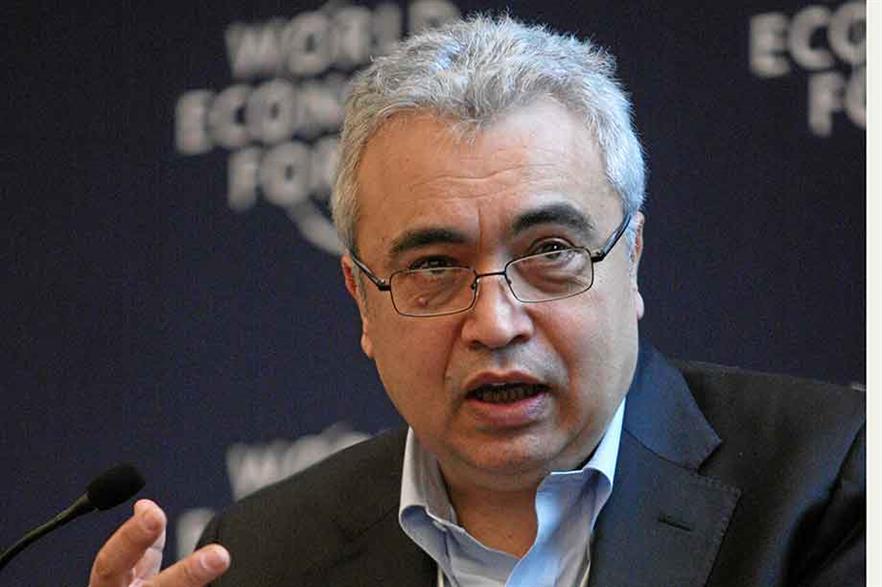
IEA Director Fatih Birol
“All options are on the table, but there are no plans for a collective action at this stage,” IEA Executive Director Fatih Birol told reporters in Brussels on Friday. “There is plenty of oil in the market,” even amounting to a “huge surplus.”
The conflict in the Middle East — sparked with U.S. and Israeli strikes on Iran on Feb. 28 — has roiled energy markets and driven up prices for crude, natural gas and oil products, threatening to unleash a wave of global inflation.
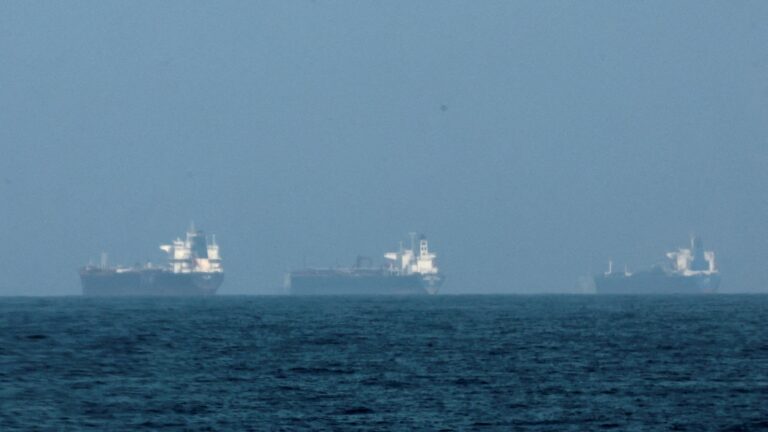
Brent futures surged above $89 a barrel in London on Friday, the highest in almost two years as shipping through the Persian Gulf’s vital Strait of Hormuz remained essentially halted, while U.S. retail gasoline prices reached the strongest level since 2024. Still, prices are considerably below the levels reached after Russia’s 2022 invasion of Ukraine.
Birol acknowledged that some IEA member nations may pursue individual policies dealing with the upheaval. The Japanese government is considering releasing oil reserves in response to the situation in Iran, Kyodo reported, citing unidentified government people familiar with the matter.
And there are other levers that consuming nations call pull, besides drawing on their own reserve buffers.
The U.S. has cleared the way for Indiato temporarily increase its purchases of Russian oil, reversing months of pressure on one of the world’s largest crude importers, with a one-month license issued late on Thursday.
In recent weeks, a surplus of oil from Russia and Iran has accumulated on tankers at sea as tighter U.S. sanctions deter the countries’ main customers in Asia. Refineries could use this to quickly ramp up purchases and stabilize operations.
Trump said on Thursday that there would be further action to reduce pressure on oil prices, having previously pledged naval escorts and insurance guarantees for tankers.
The Paris-based IEA oversees emergency oil stocks for developed nations such as the U.S., Germany and Japan, and has deployed these during crises such as Russia’s invasion of Ukraine and the Libyan uprising of 2011. Throughout the current turmoil it has publicly and internally reiterated its readiness to act if necessary.
“Everybody’s trying to find a solution,” Birol said. But for the time being, “we are facing a temporary disruption, a logistical disruption,” rather than any shortage of oil.
Birol’s comments are consistent with views expressed privately by top IEA nations.
TheEuropean Union told memberstates this week that there is currently no justification to release strategic oil stocks, according to people familiar with the matter. On Tuesday, a person familiar with the matter said theTrump administrationhas no immediate plans to release oil from the nation’s emergency reserve.
About The Author